
Why a business in Germany cannot stay offline-only
Customers in Germany already pay with PayPal and Klarna and invoice payment (Kauf auf Rechnung) and compare prices on Amazon.de and Otto before they decide. Germany alone has about 83 million people, and a business that cannot be found, ordered from and paid online loses that buyer at the moment of choice.
Staying offline-only also hides your best data. A online store shows which products, areas and customers in Germany earn money, which is how fashion and shoes, consumer electronics and household appliances sellers in Germany decide what to stock and promote.
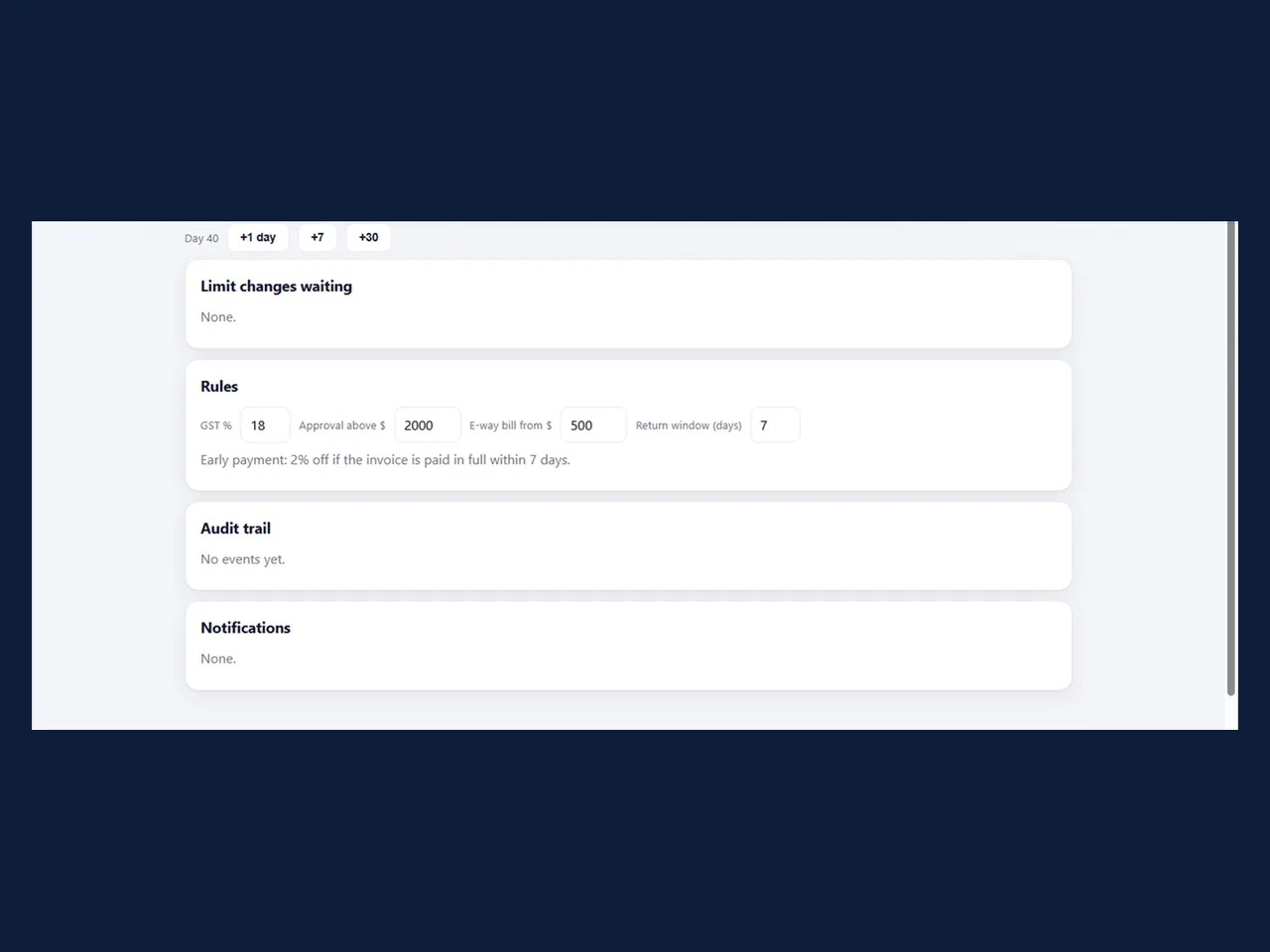
It is also a compliance move. VAT-ready invoices and records, and customer data handled under the EU General Data Protection Regulation (GDPR) and the ePrivacy rules on cookies and marketing consent, are far easier to keep right in one system than across notebooks and chat threads.
| Area | Offline and chat orders | With your own online store in Germany |
|---|---|---|
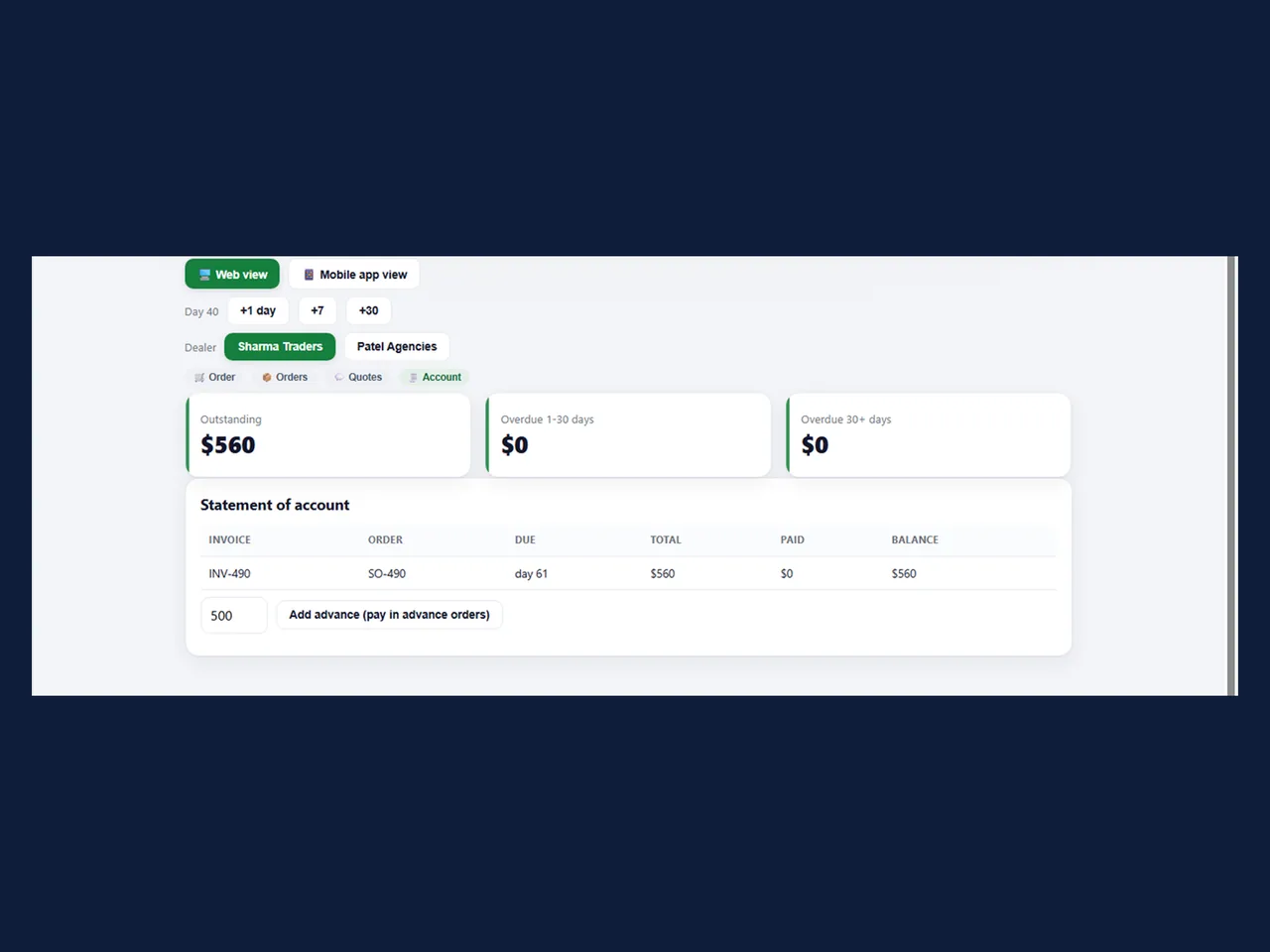
| Orders | Phone, WhatsApp, spreadsheets; open only in shop hours | Taken 24 hours a day, tracked end to end |
| Payments | Cash and manual follow-up | PayPal and Klarna and invoice payment (Kauf auf Rechnung) and other local methods at checkout |
| Reach | Walk-ins and word of mouth | Search, social, Amazon.de and Otto and a link anyone can share |
| Records | Paper and chat history | VAT invoices, customer and stock data in one place |
Which e-commerce solution fits a business in Germany
The right build depends on how you sell. In Germany, these are the choices we are asked for most, and the reason each pays off:
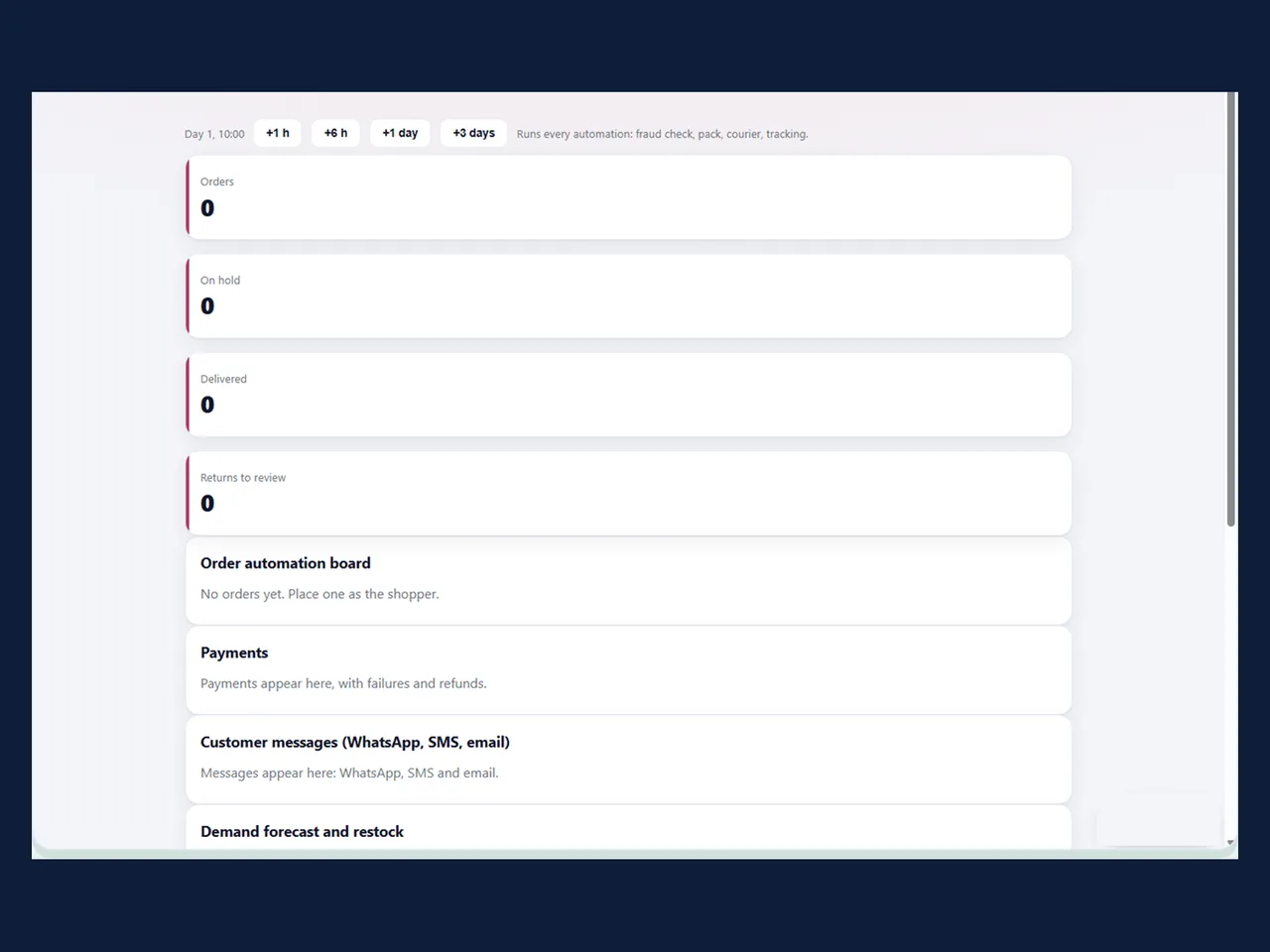
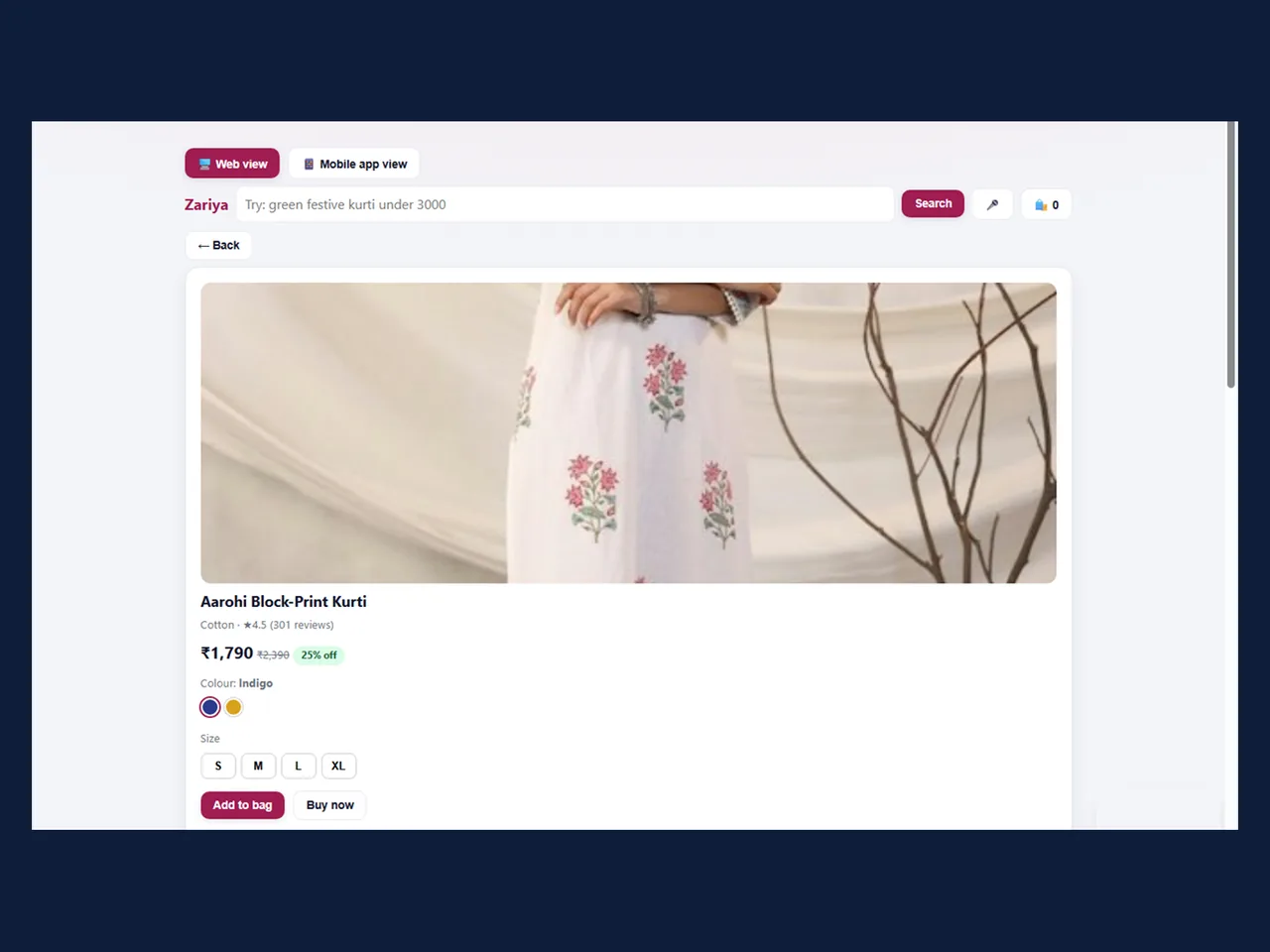
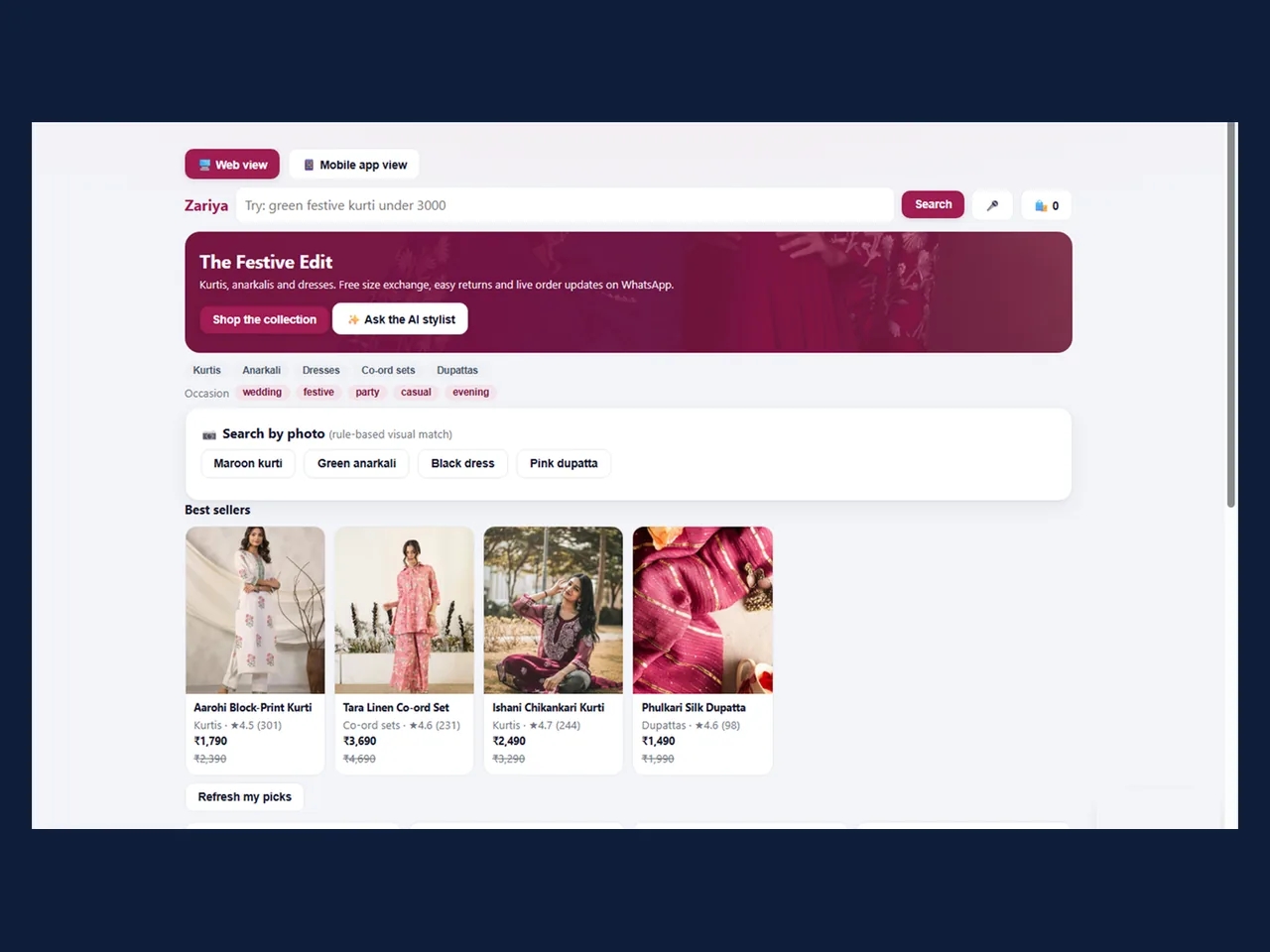
Online store builder in Germany
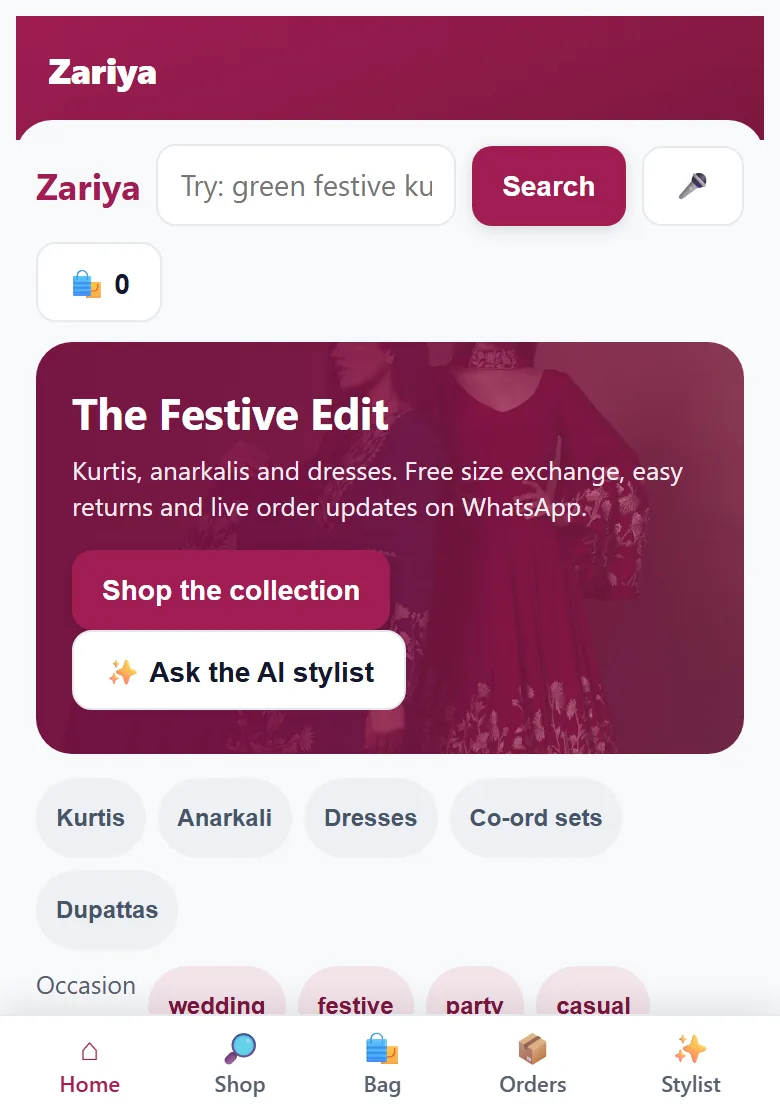
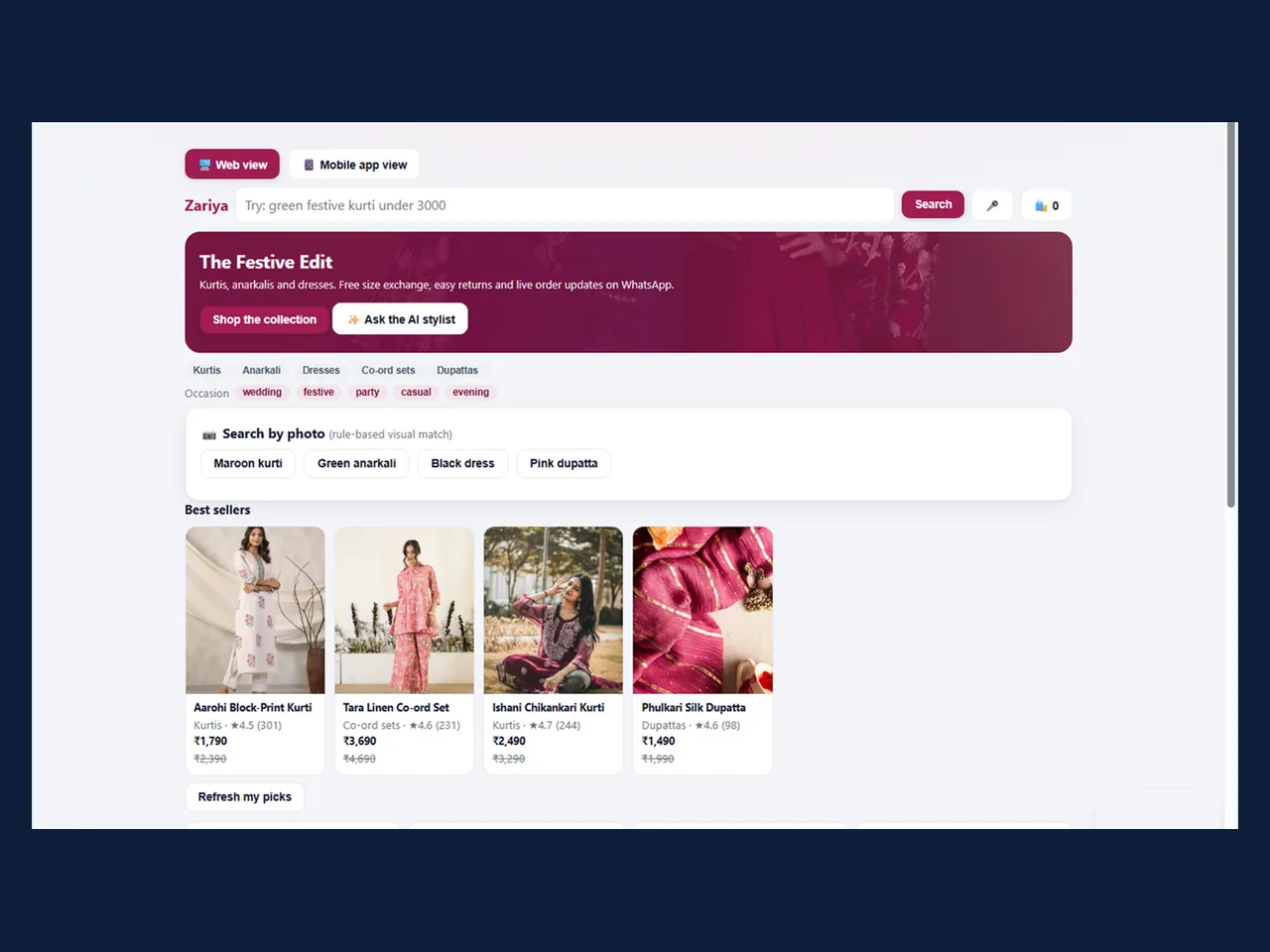
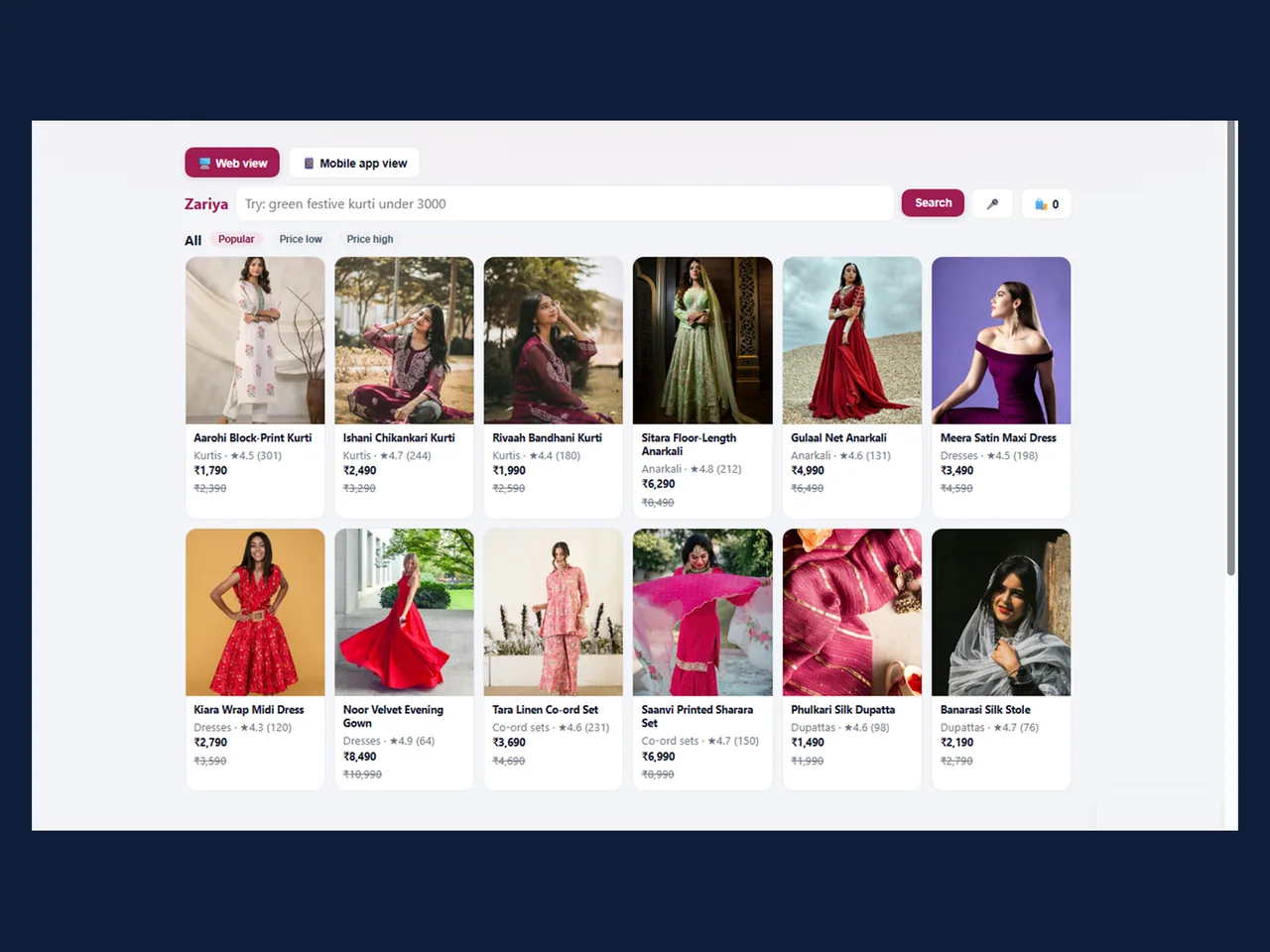
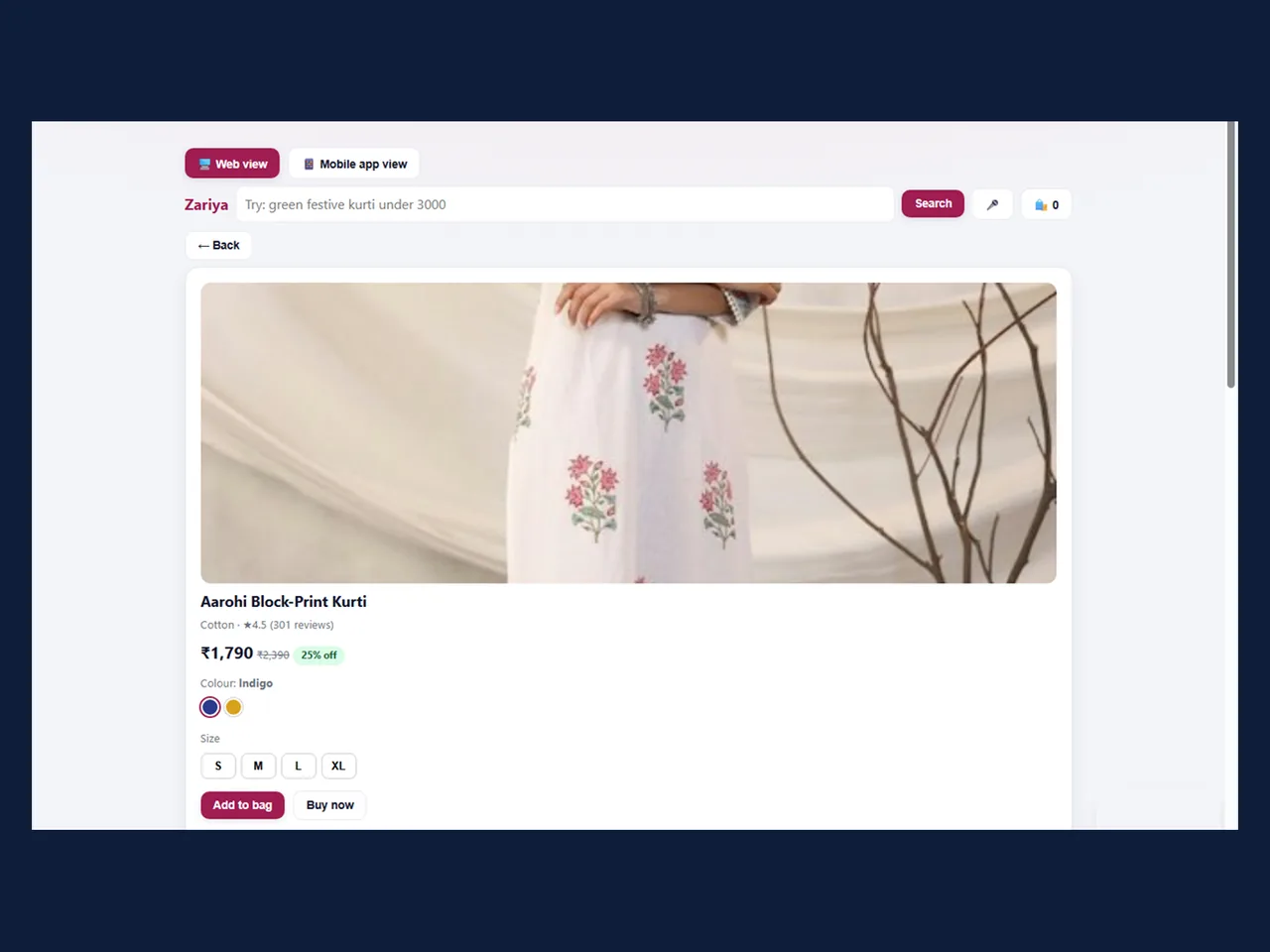
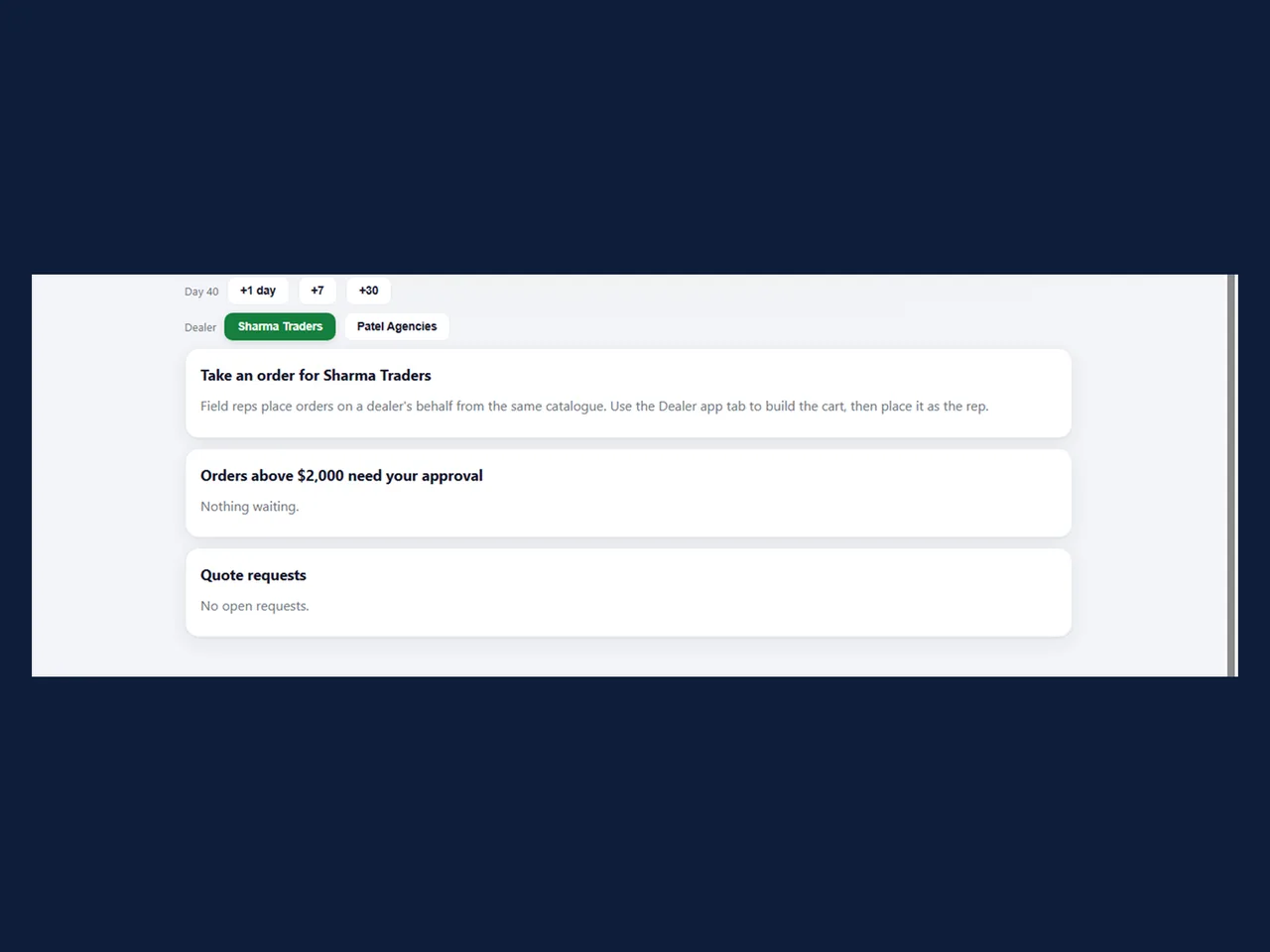
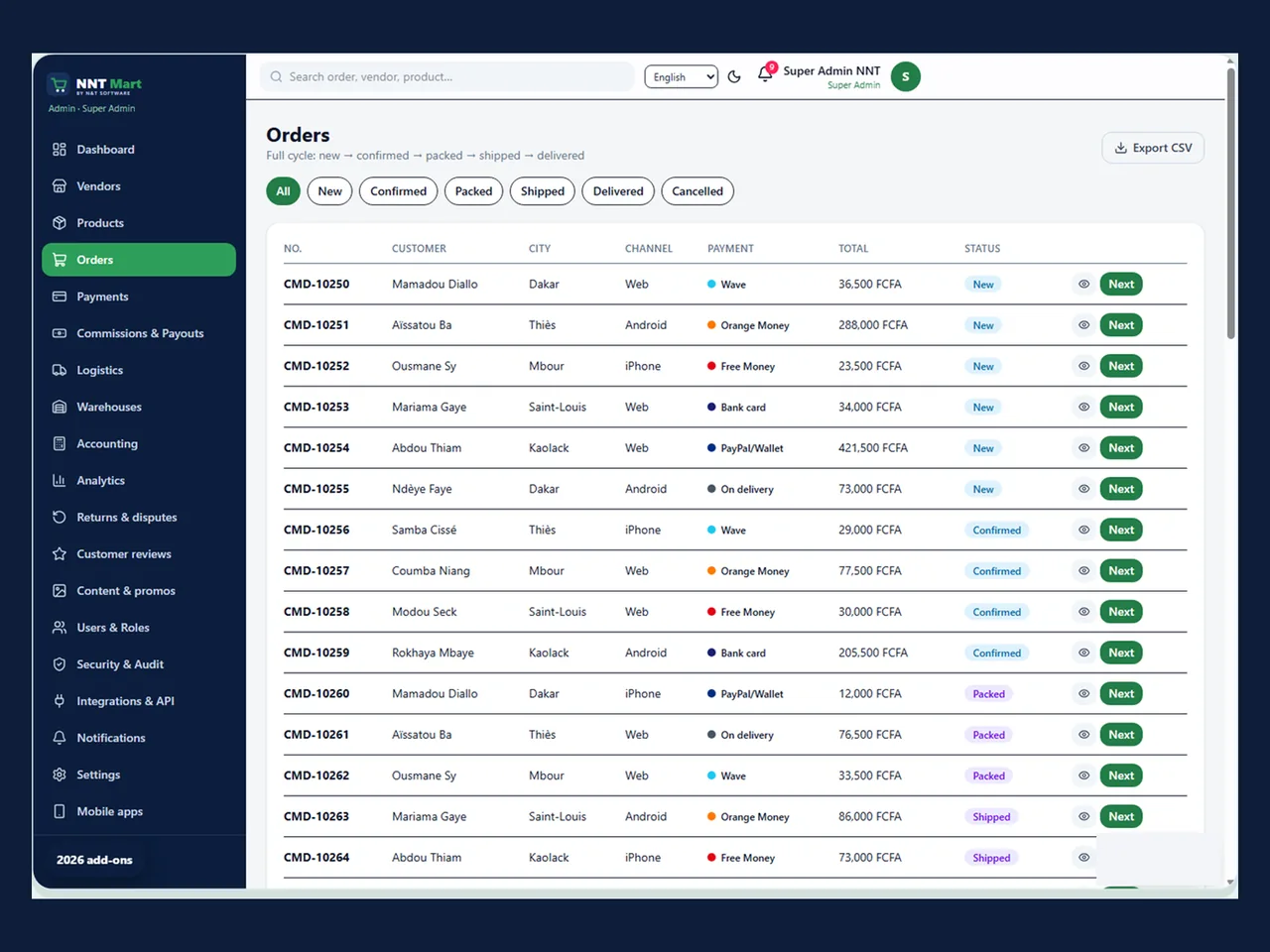
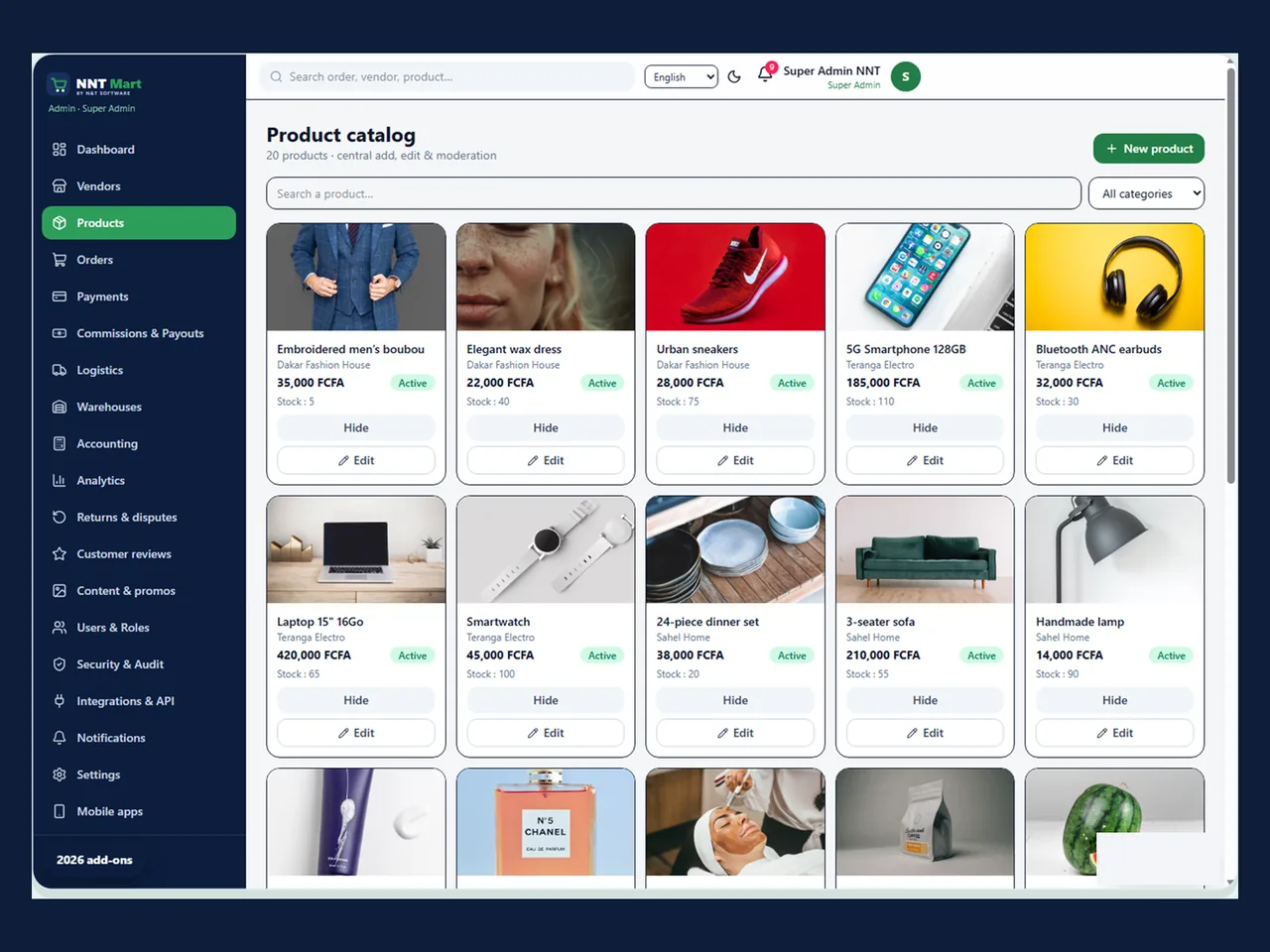
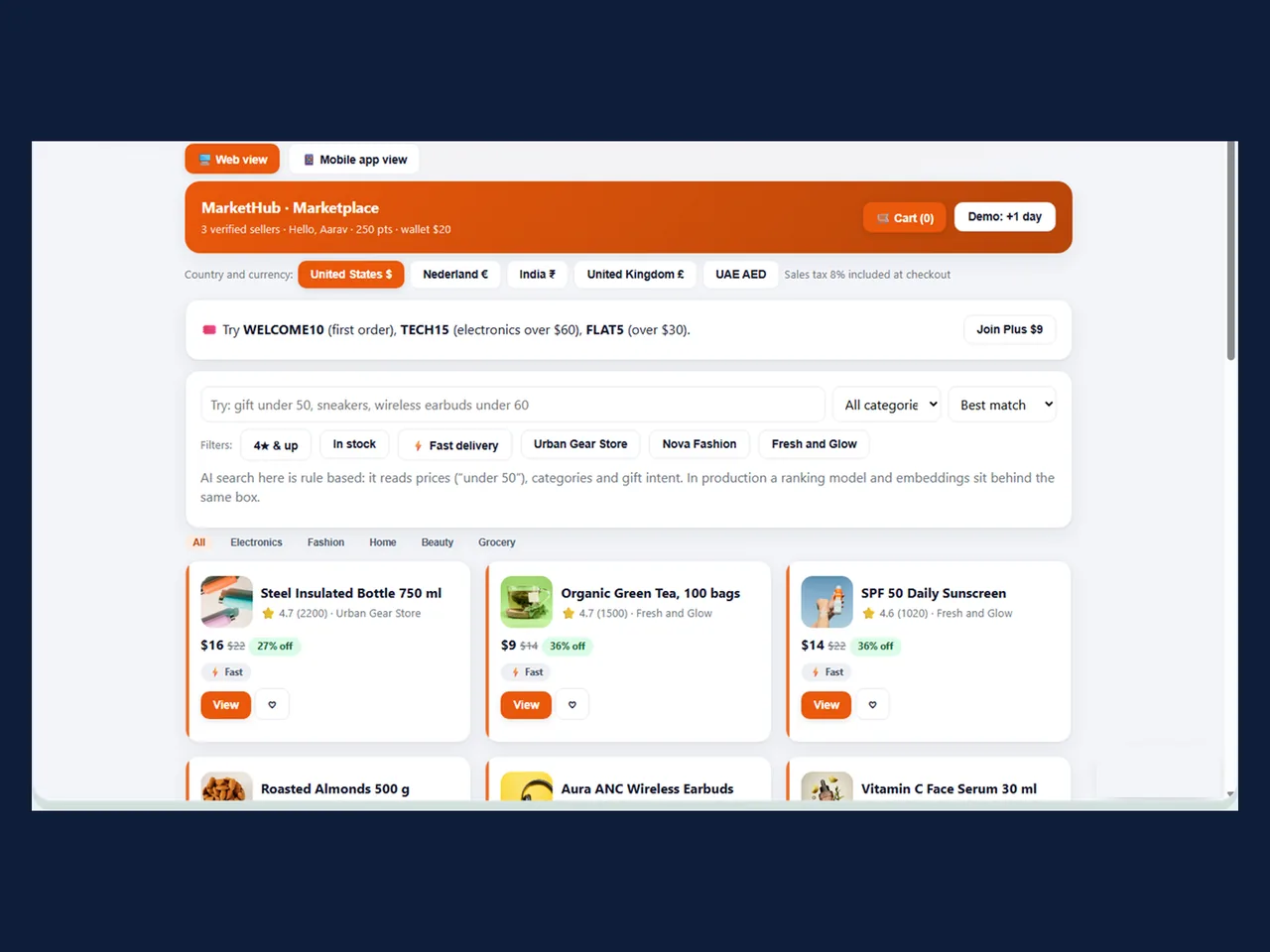
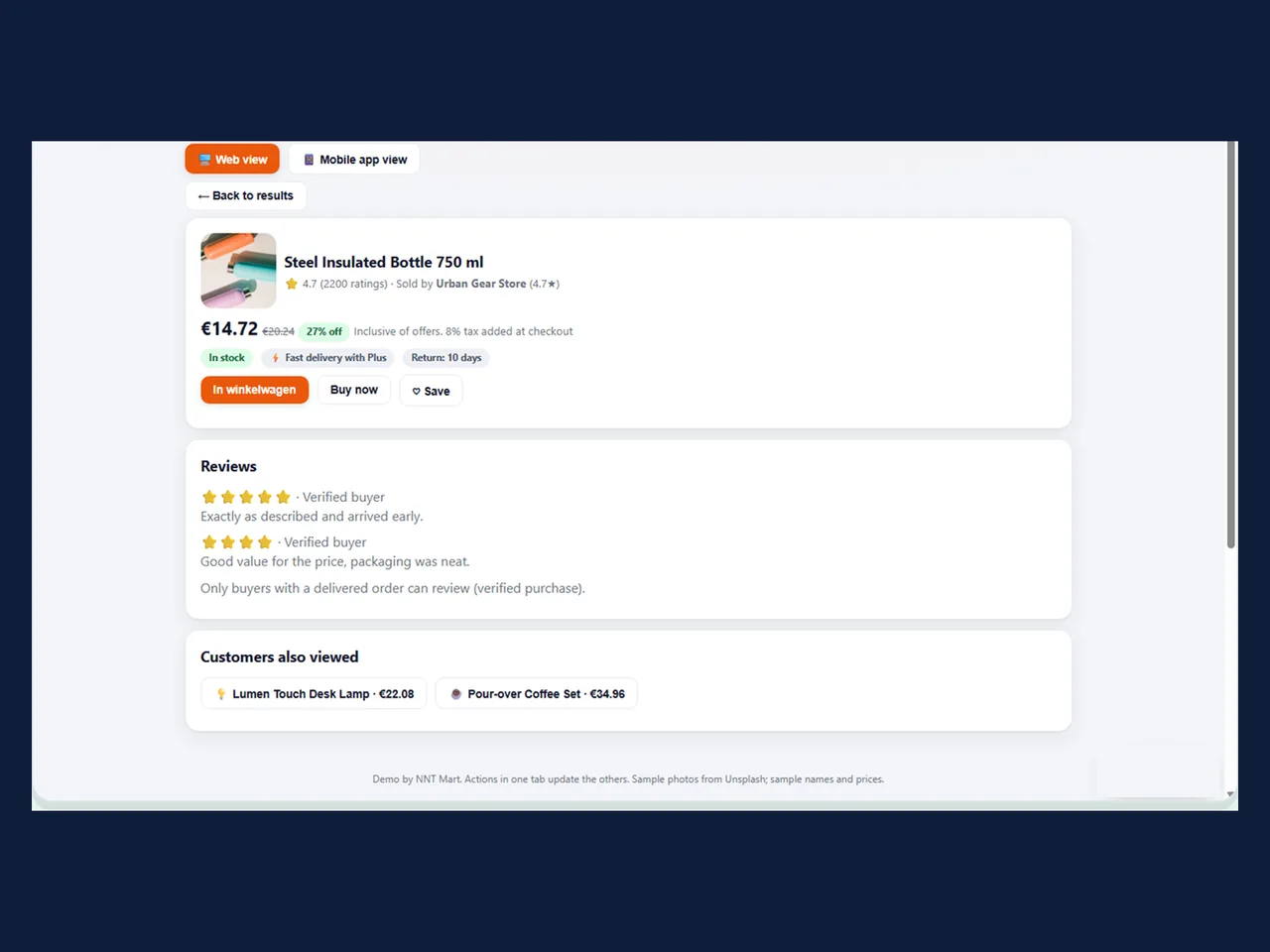
Retail brands and similar businesses use an online store to branded storefront and catalogue manager, tracked by conversion rate and average order value.
B2B ecommerce platform in Germany
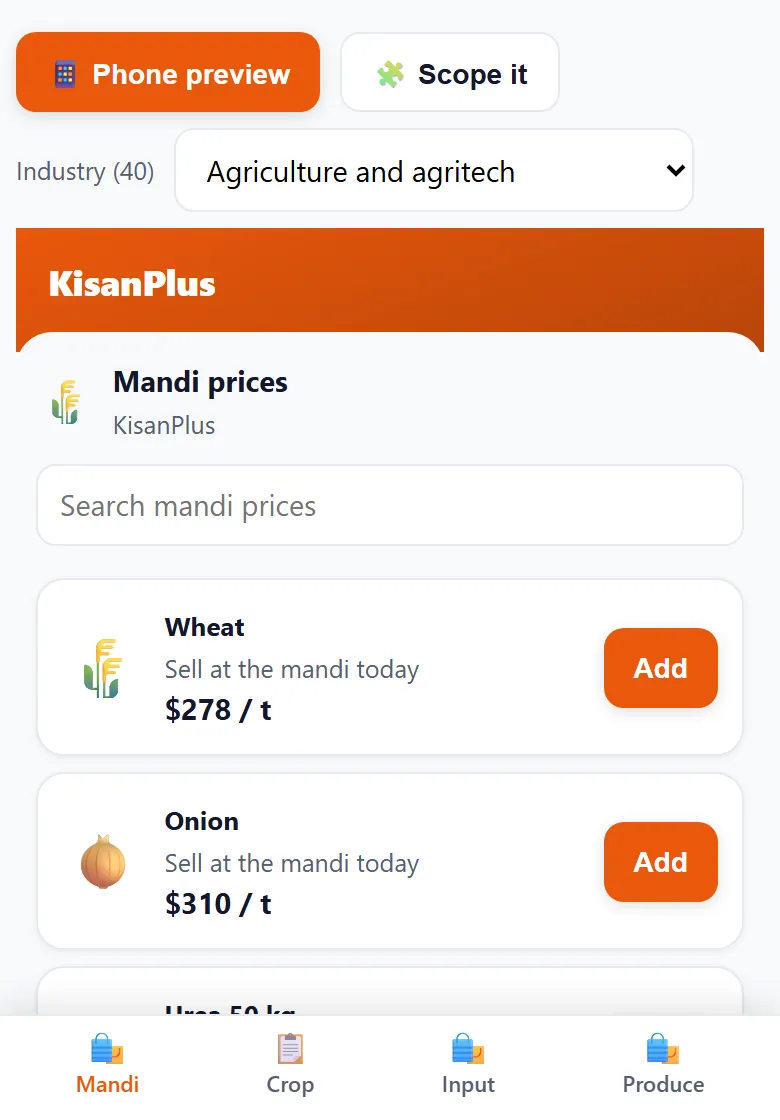
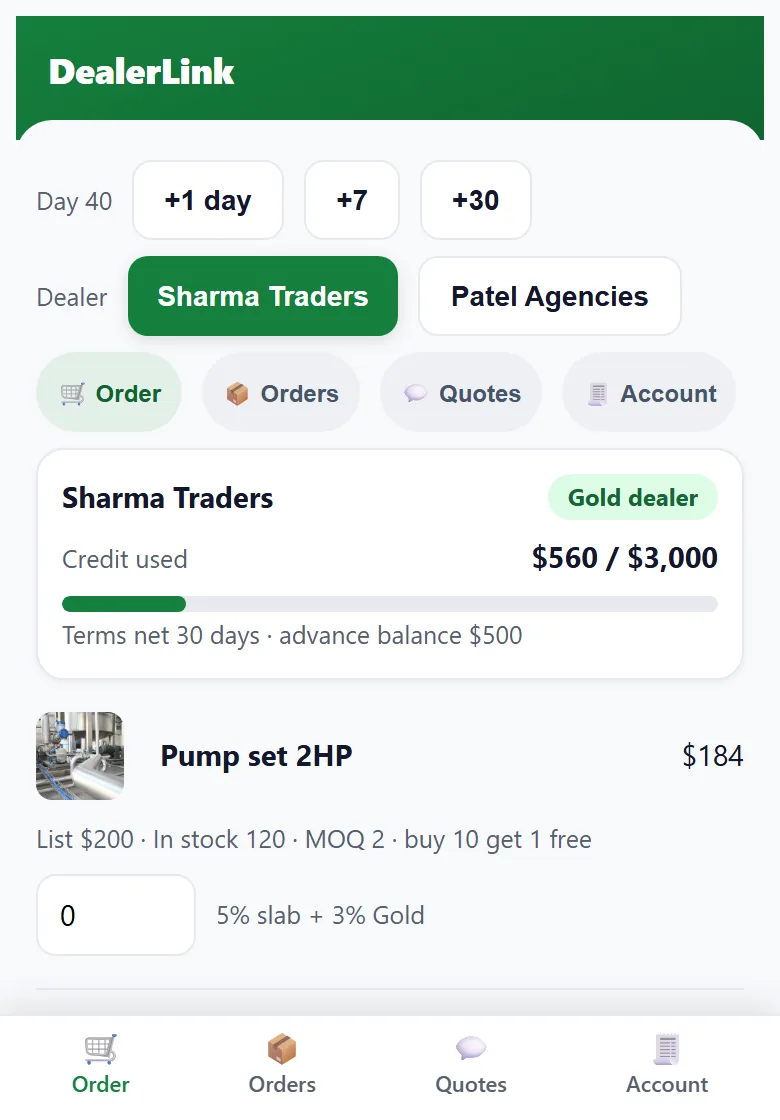
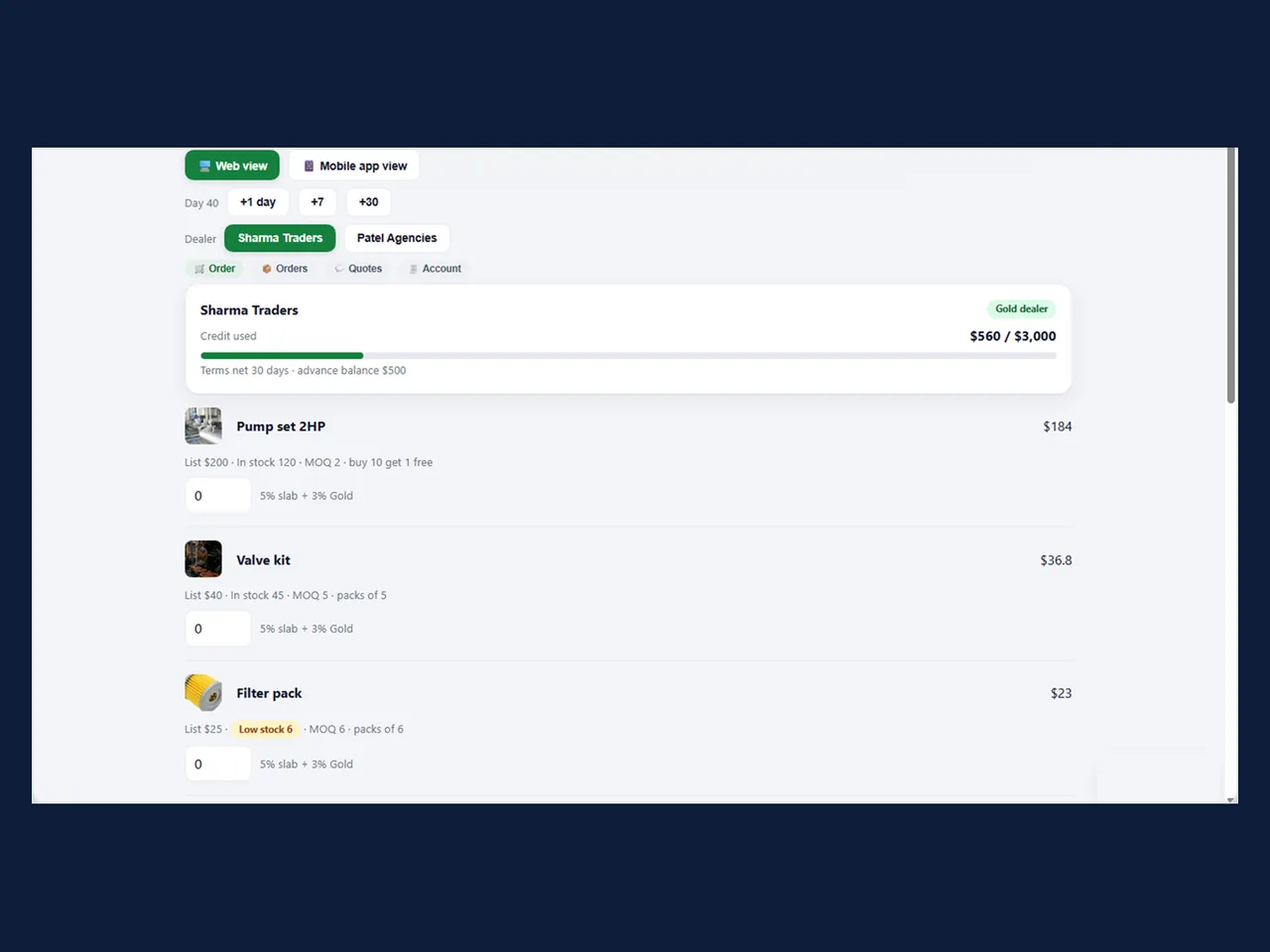
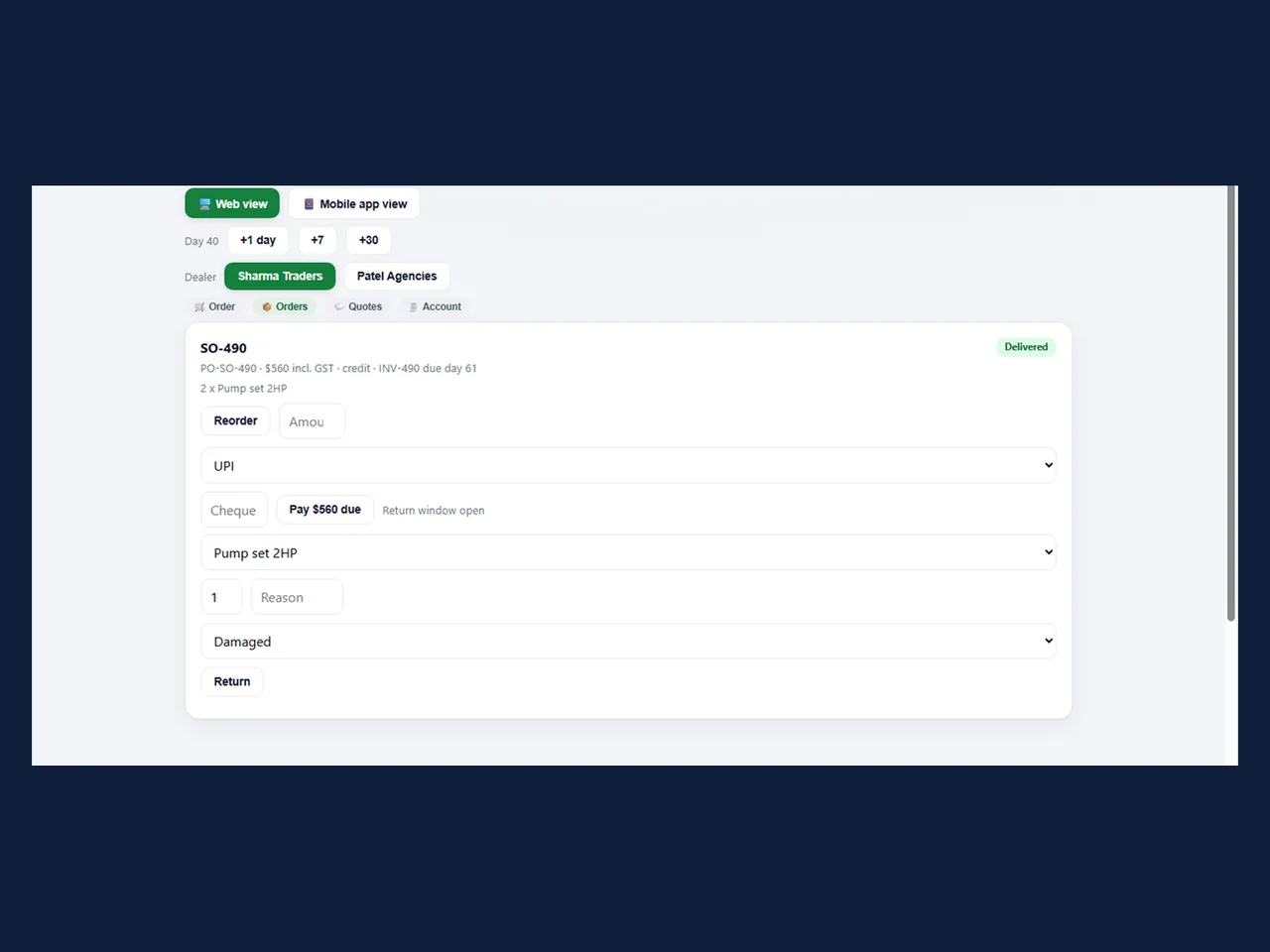
Wholesalers and similar businesses use a B2B ordering portal to business accounts and contract pricing, tracked by order-entry time and share of orders placed online.
Manufacturer ecommerce portal in Germany
Machinery and equipment manufacturers and similar businesses use a manufacturer and dealer portal to technical catalogue and document library, tracked by qualified enquiries per month and quote-to-order conversion.
Multi-vendor marketplace development in Germany
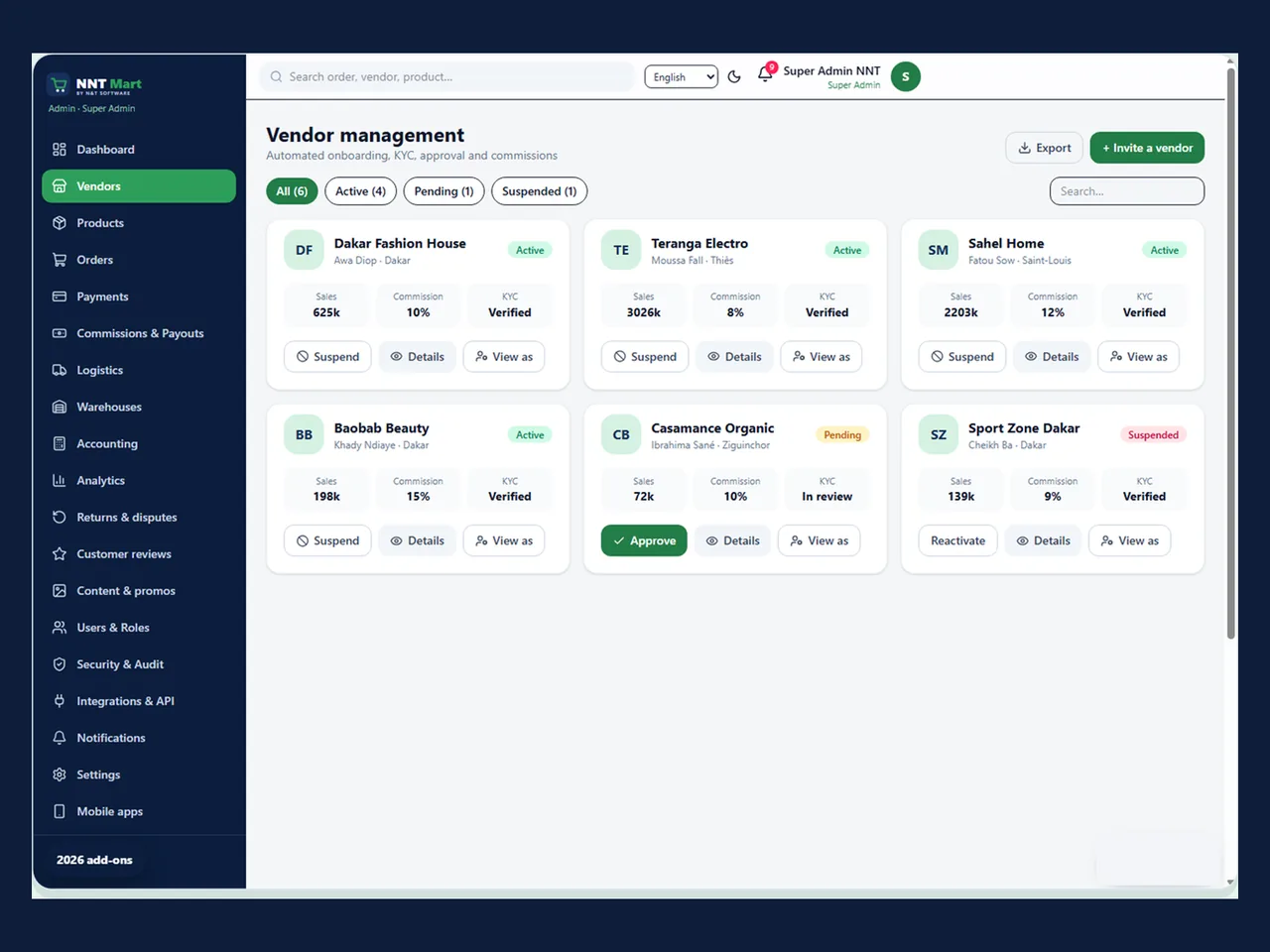
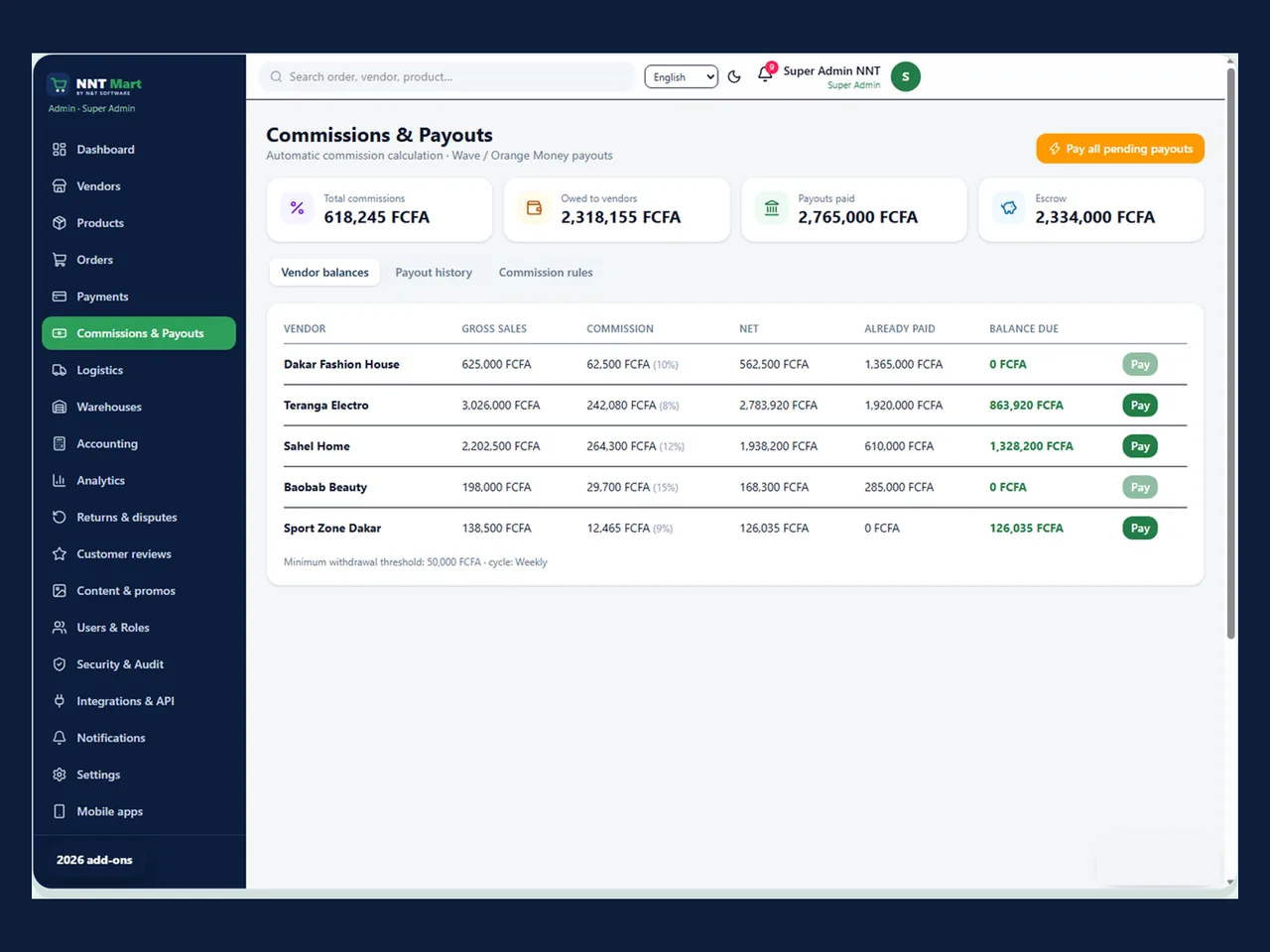
Industry-specific marketplaces and similar businesses use a multi-vendor marketplace to vendor onboarding and catalogue governance, tracked by active sellers and GMV and take rate.
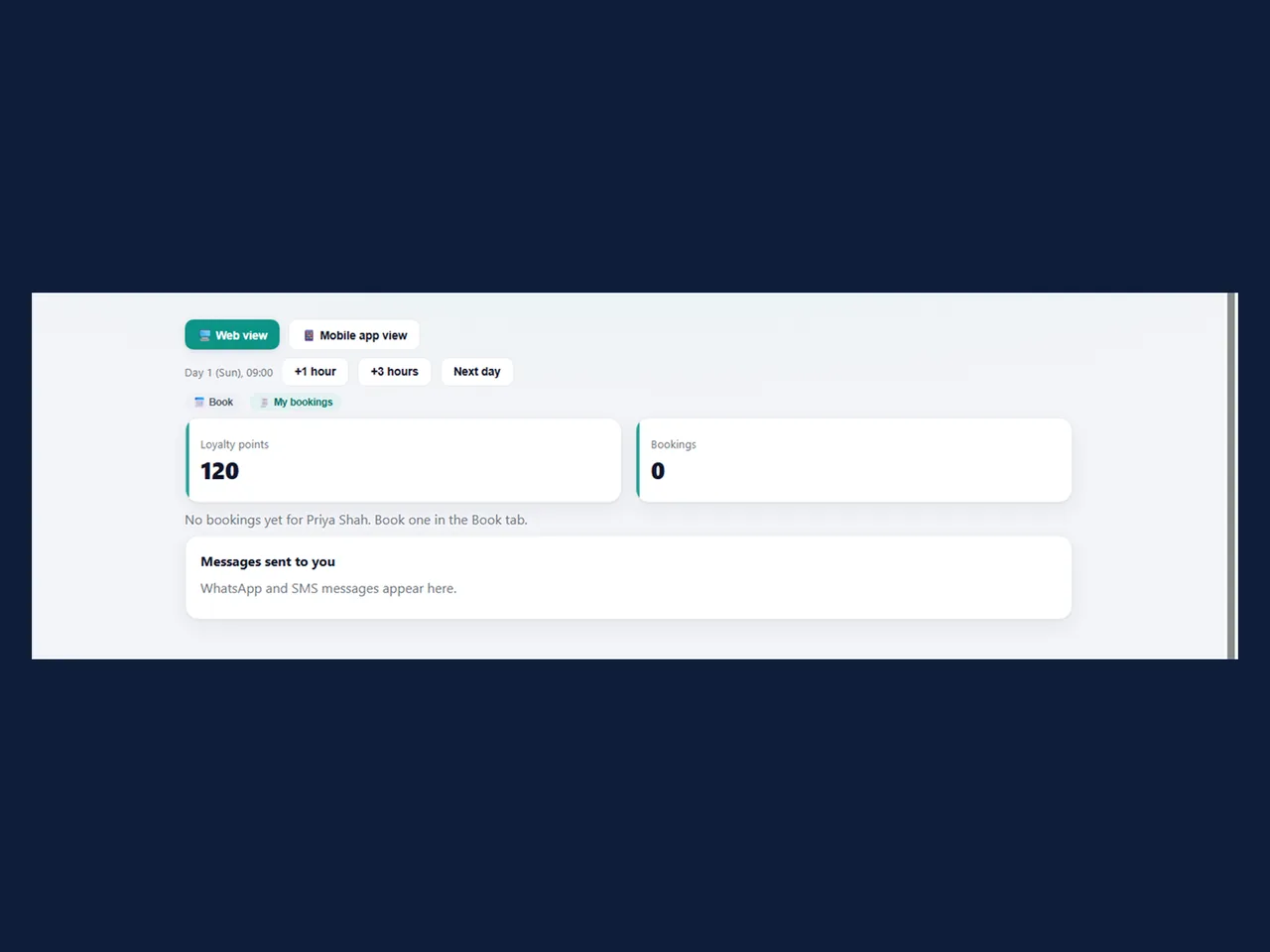
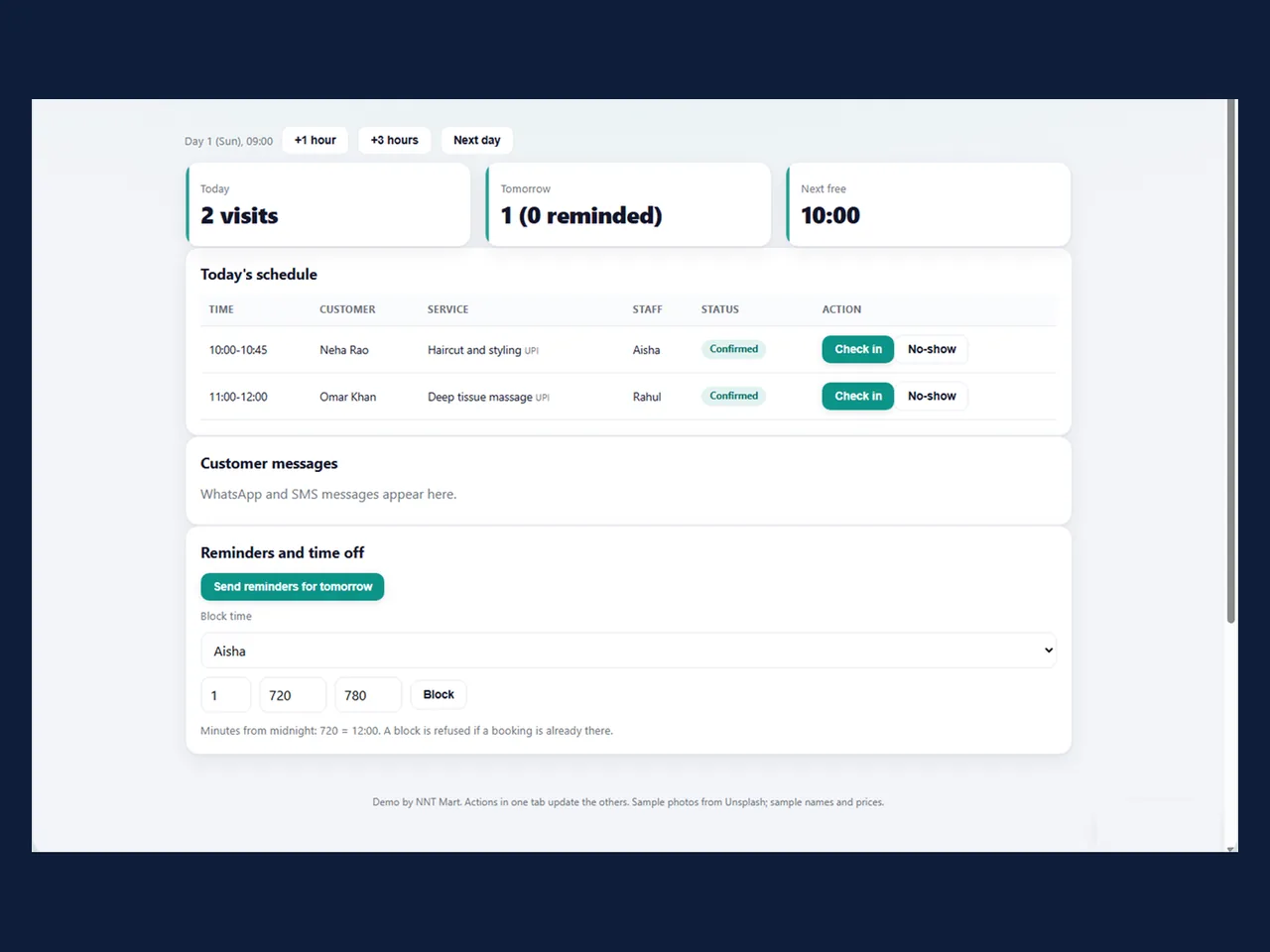
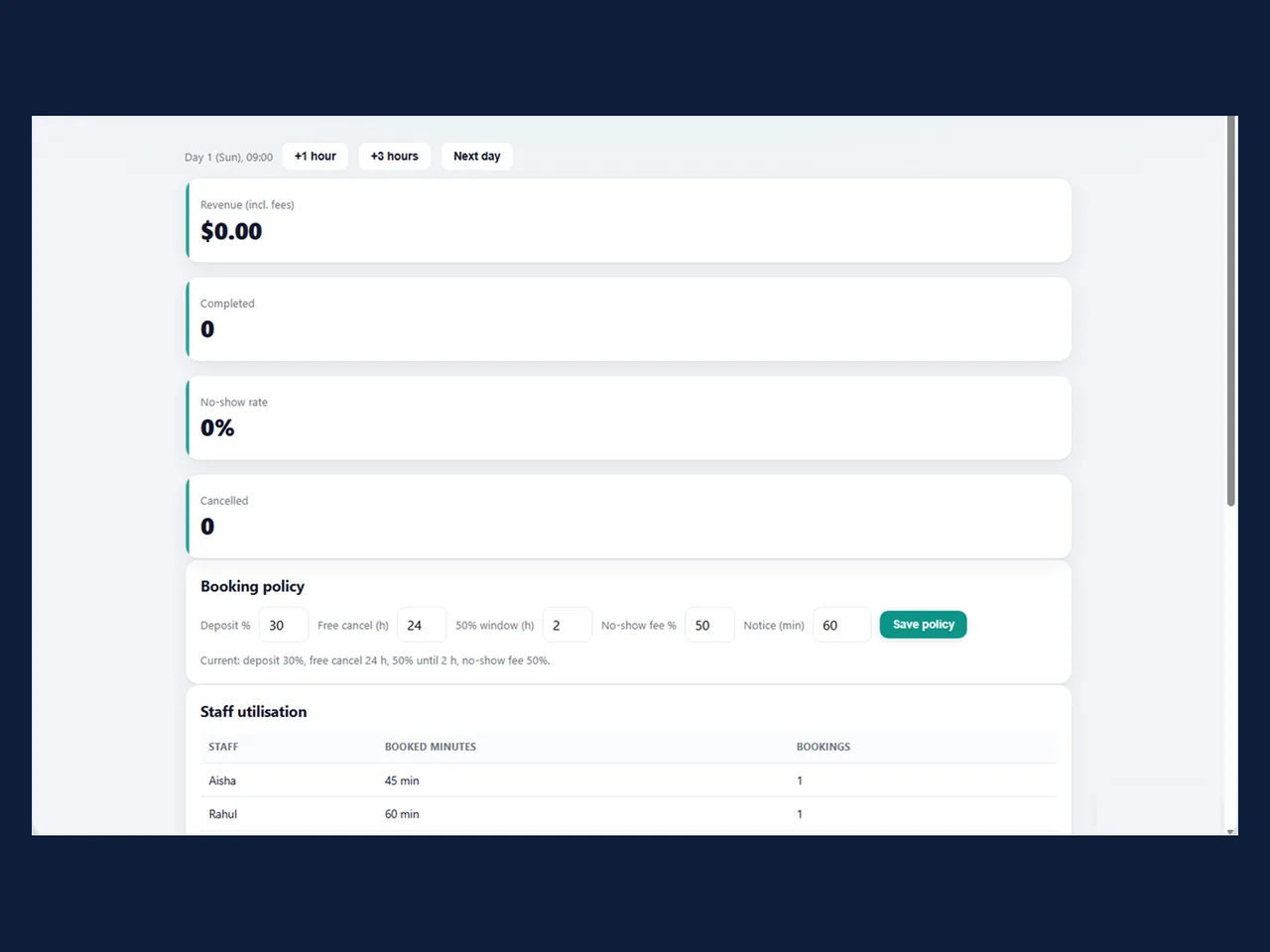
Online booking system in Germany
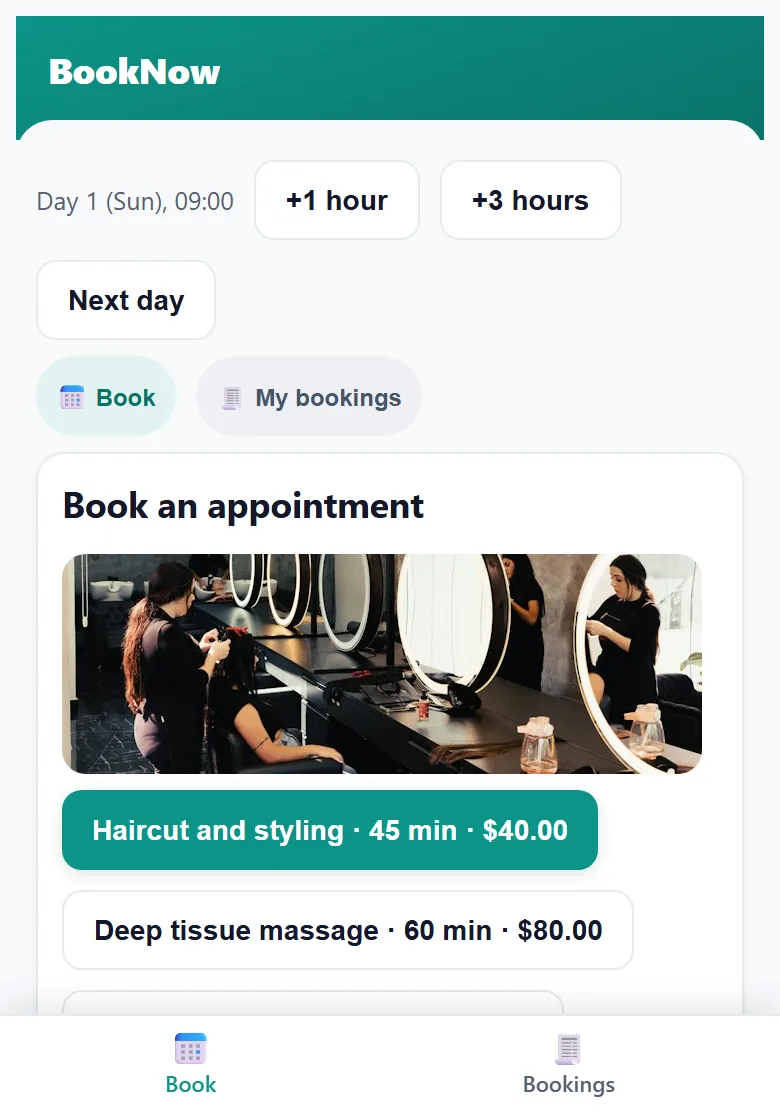
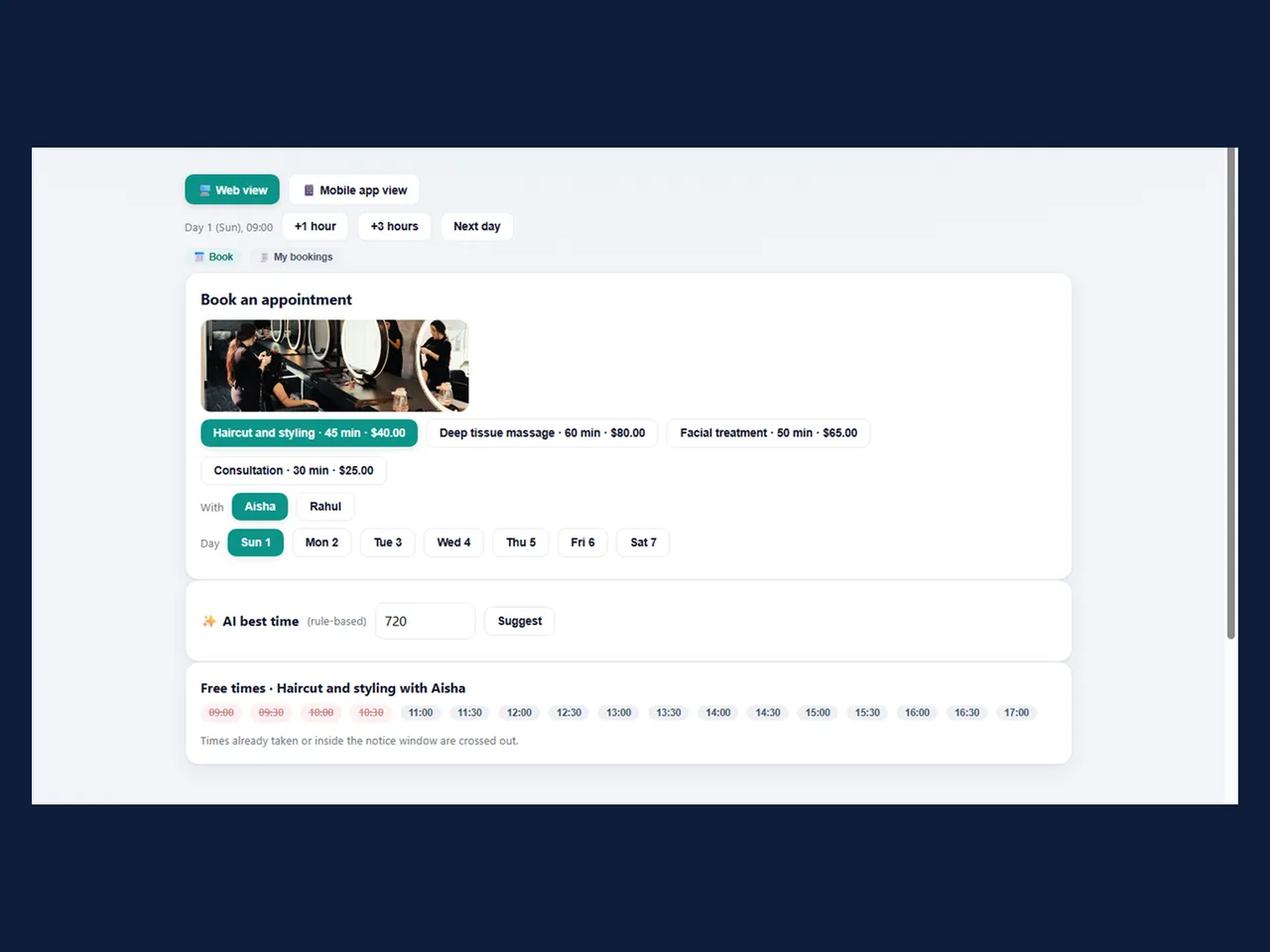
Clinics and wellness centres and similar businesses use a service booking platform to service catalogue and smart scheduling, tracked by booking conversion and no-show rate.
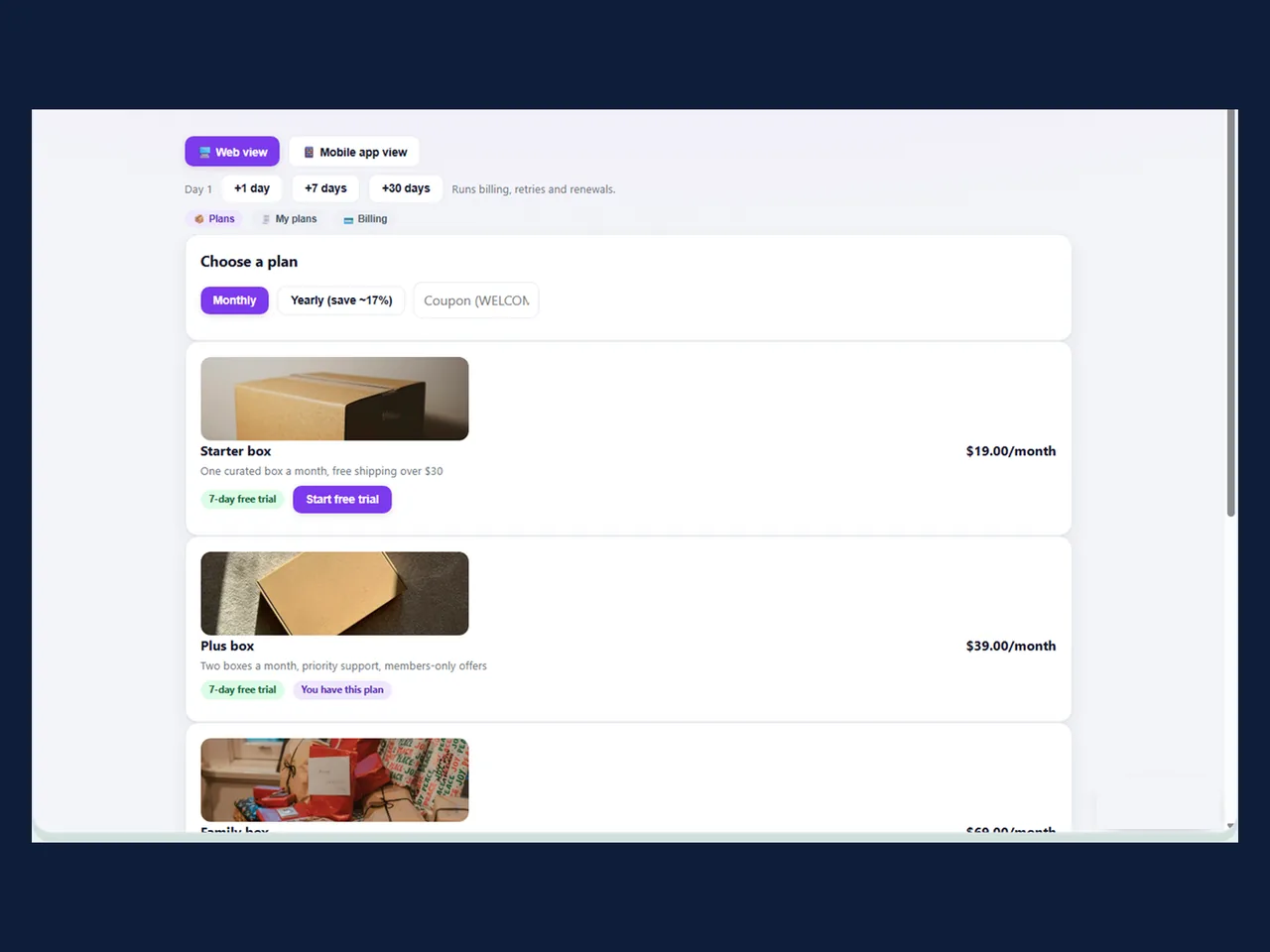
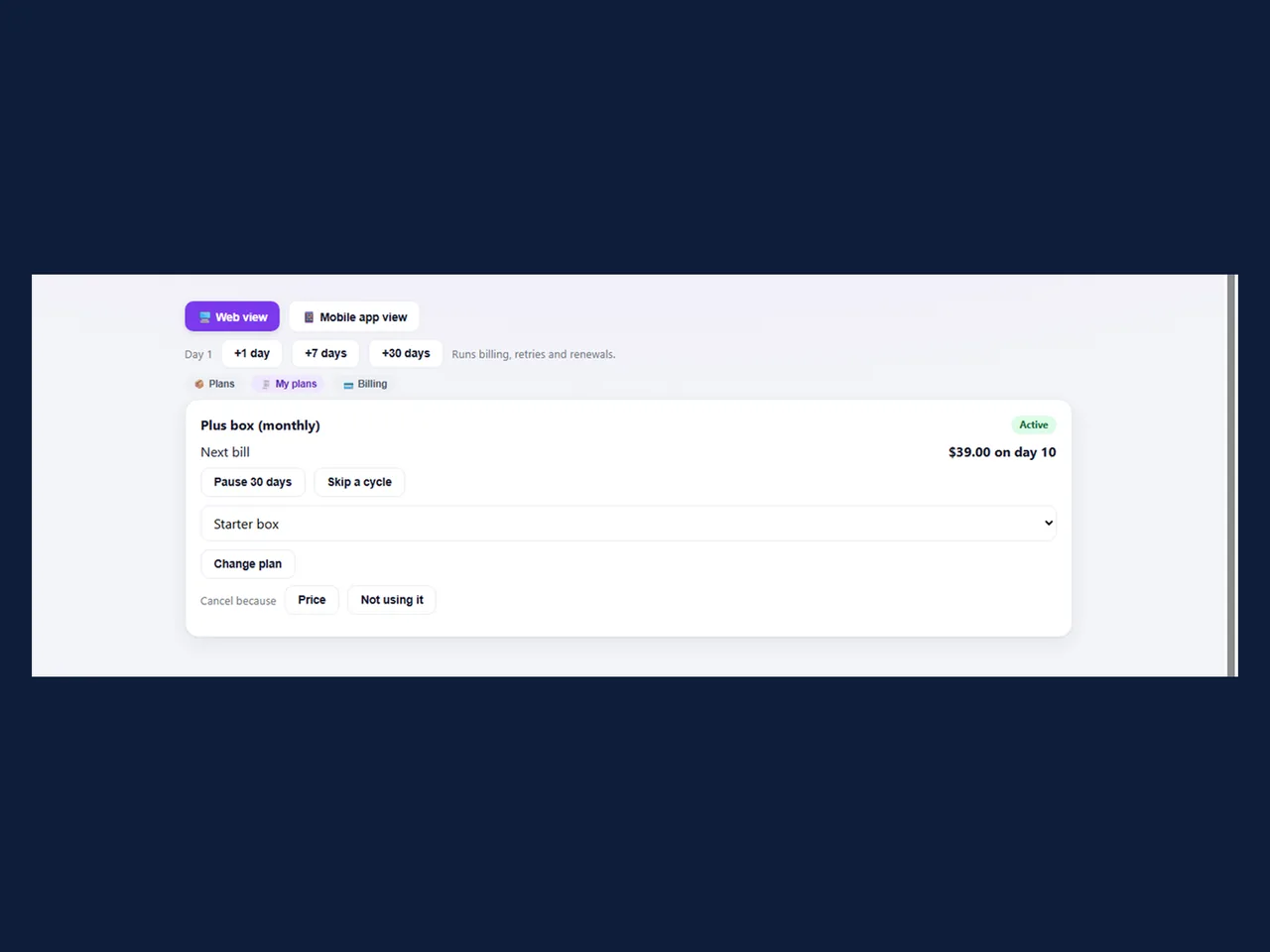
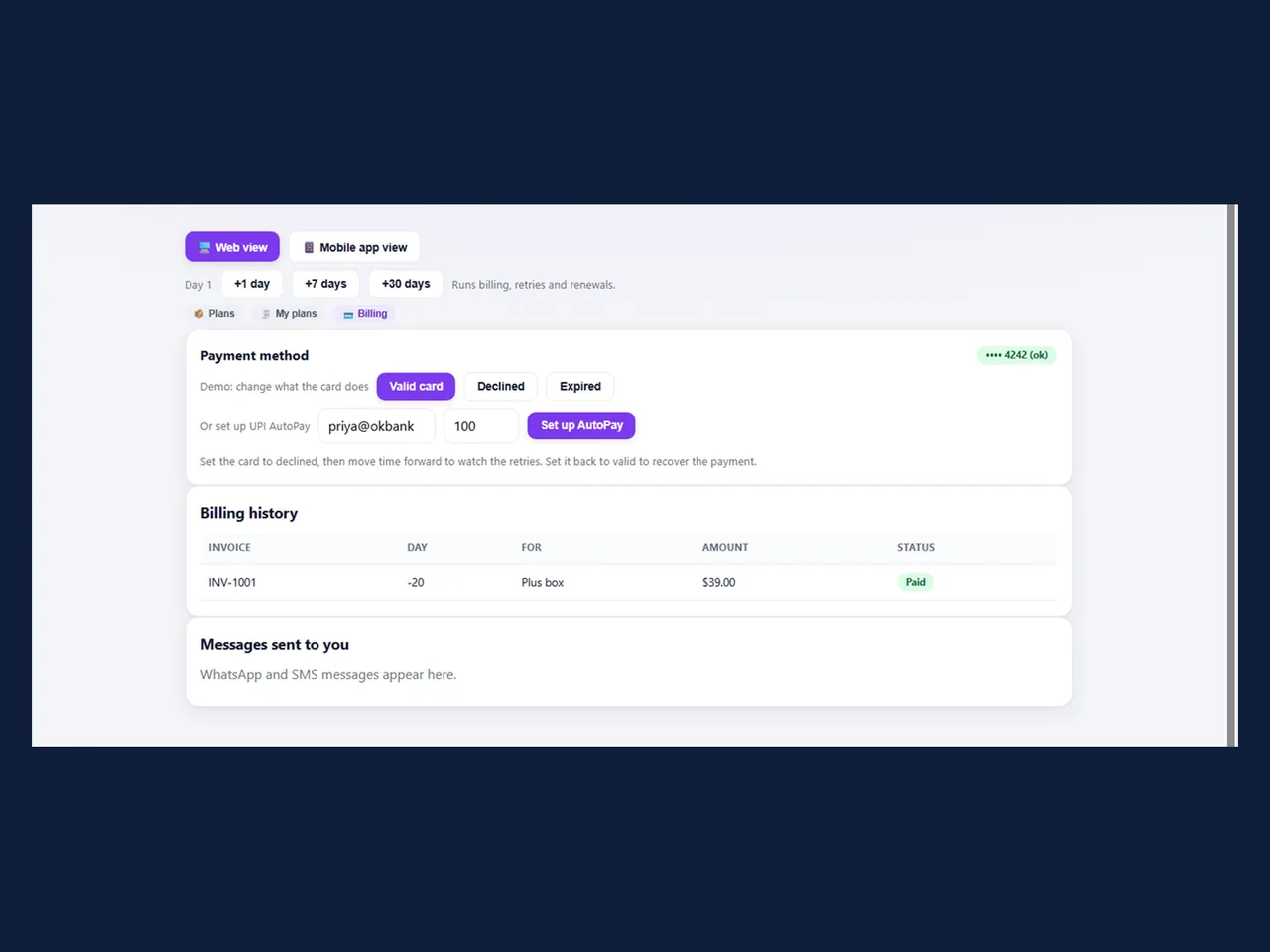
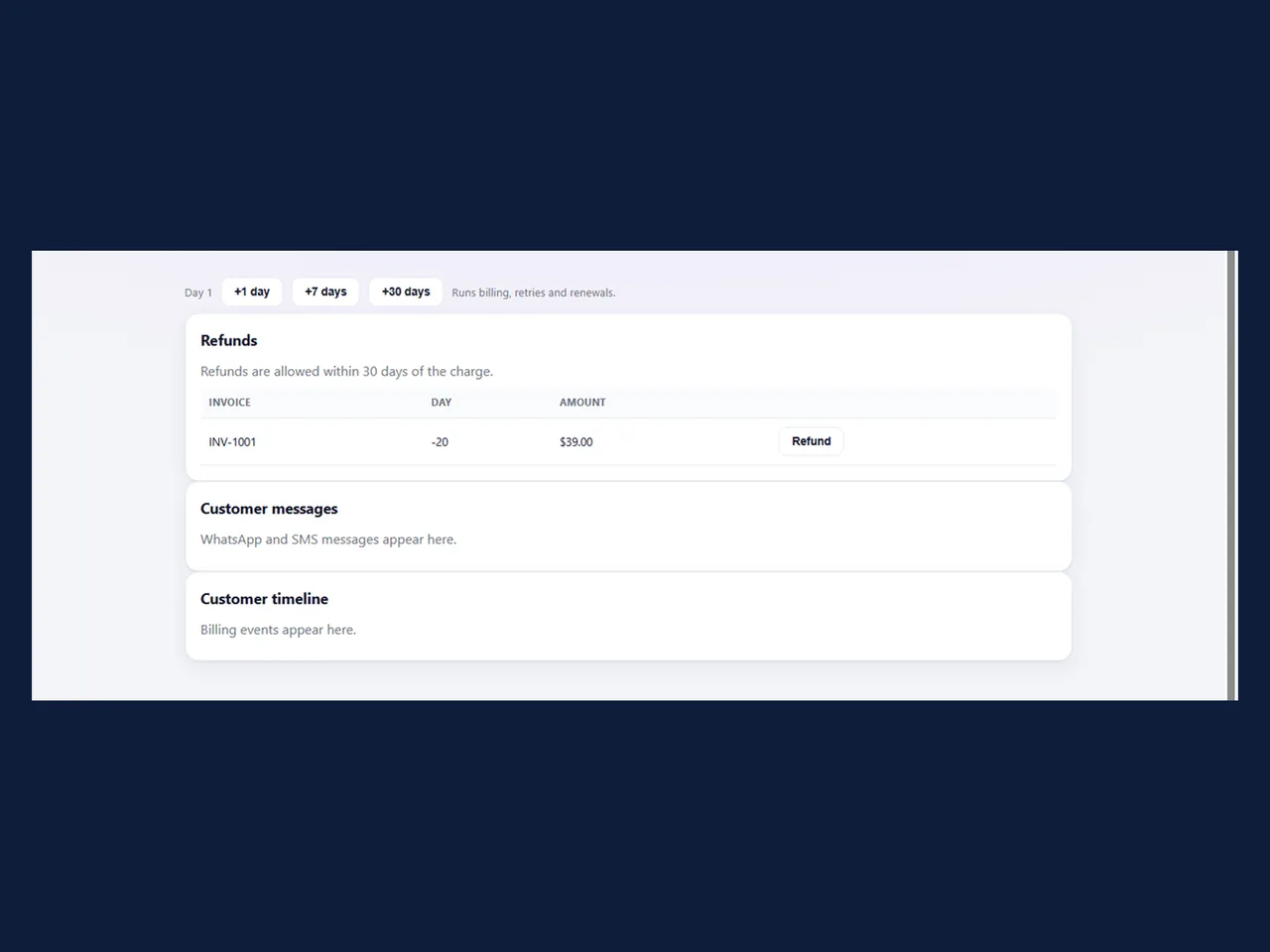
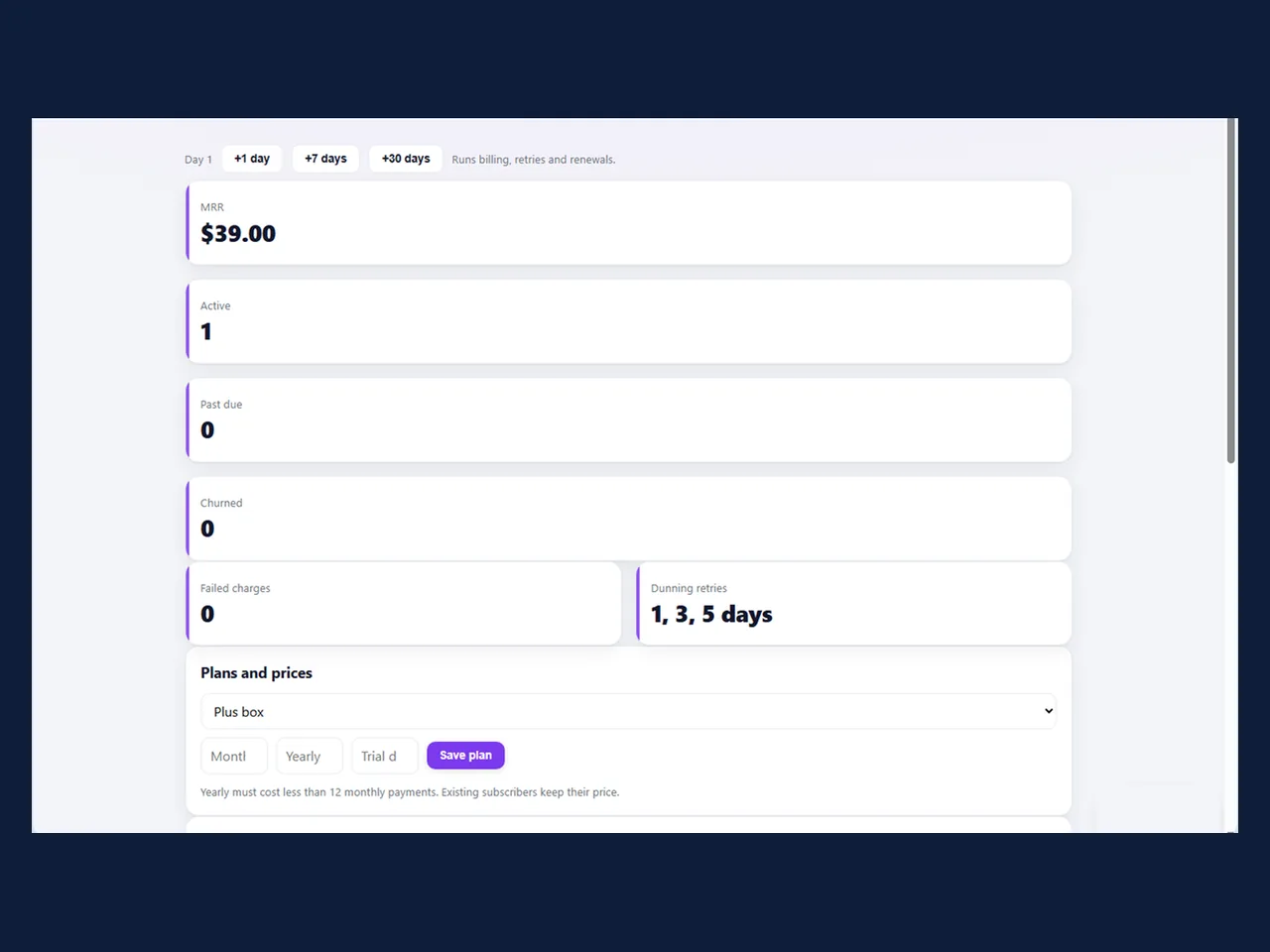
Subscription ecommerce platform in Germany
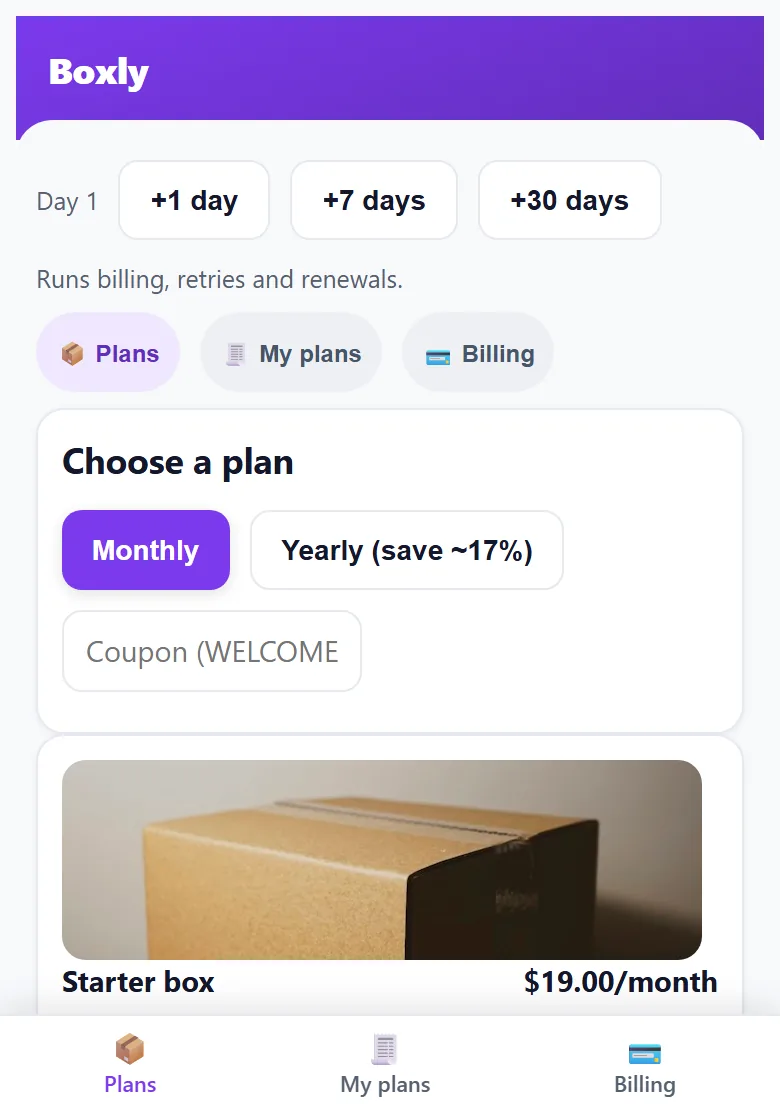
Dairy and daily-needs brands and similar businesses use a subscription commerce platform to plans and pricing and recurring billing, tracked by monthly recurring revenue and churn rate.
Ecommerce app development in Germany
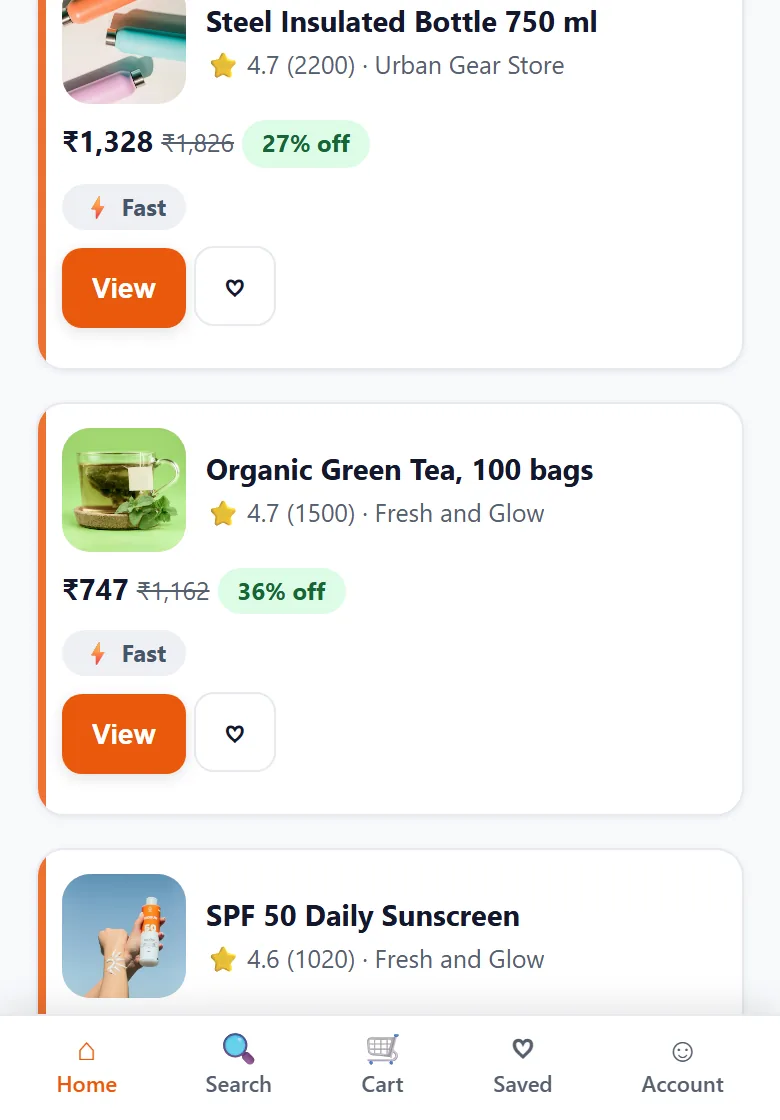
Retail brands and similar businesses use a shopping app to customer shopping app and dealer and B2B app, tracked by app installs and active users and app conversion rate.
Custom ecommerce development in Germany
Enterprises with complex catalogues and similar businesses use a custom e-commerce platform to custom workflows and headless architecture, tracked by page load and API response times and uptime.
International ecommerce platform in Germany
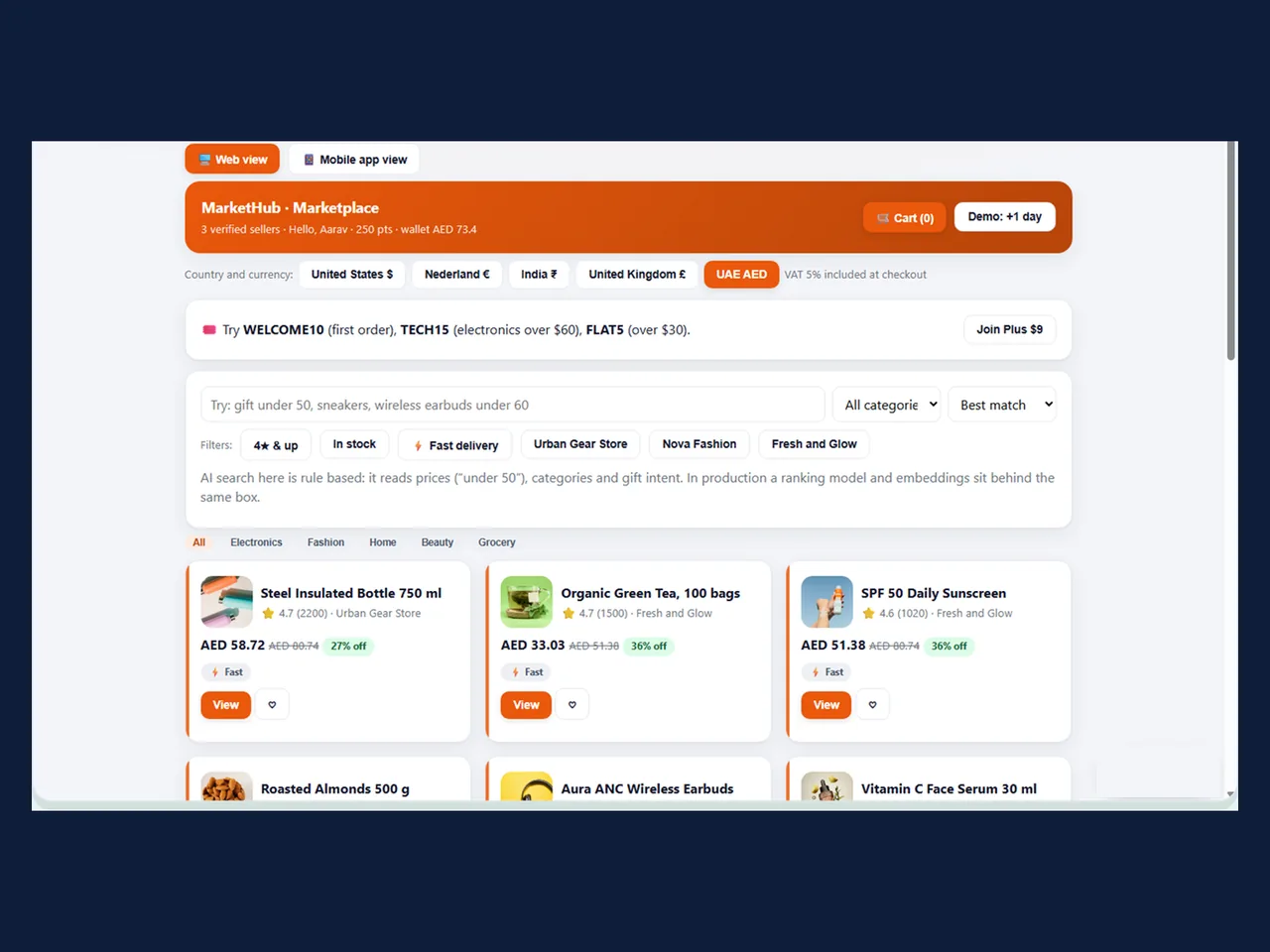
Exporters and similar businesses use an international e-commerce platform to regional storefronts and local payments, tracked by conversion by country and international order share.
What an online platform and app give a Germany business
Here is what changes once the online store is live:
Keep the customer and the margin
Marketplaces such as Amazon.de and Otto bring reach but keep the buyer; your own online store brings repeat orders you do not pay a commission on.
Sell round the clock to Germany
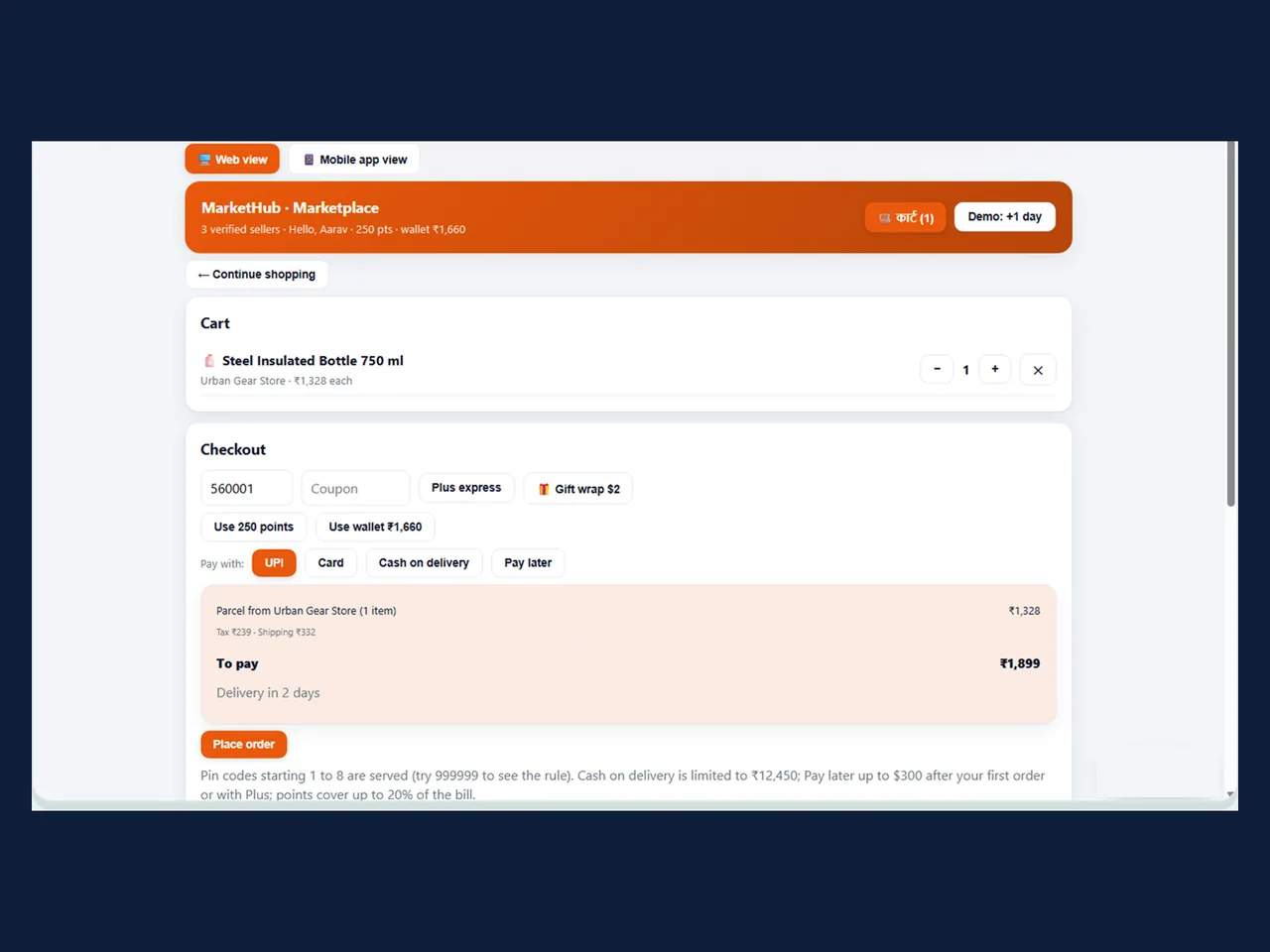
Customers order and pay at any hour, including evenings and weekends, with PayPal and Klarna and invoice payment (Kauf auf Rechnung) at checkout, so sales no longer depend on shop hours.
Run the business from one place
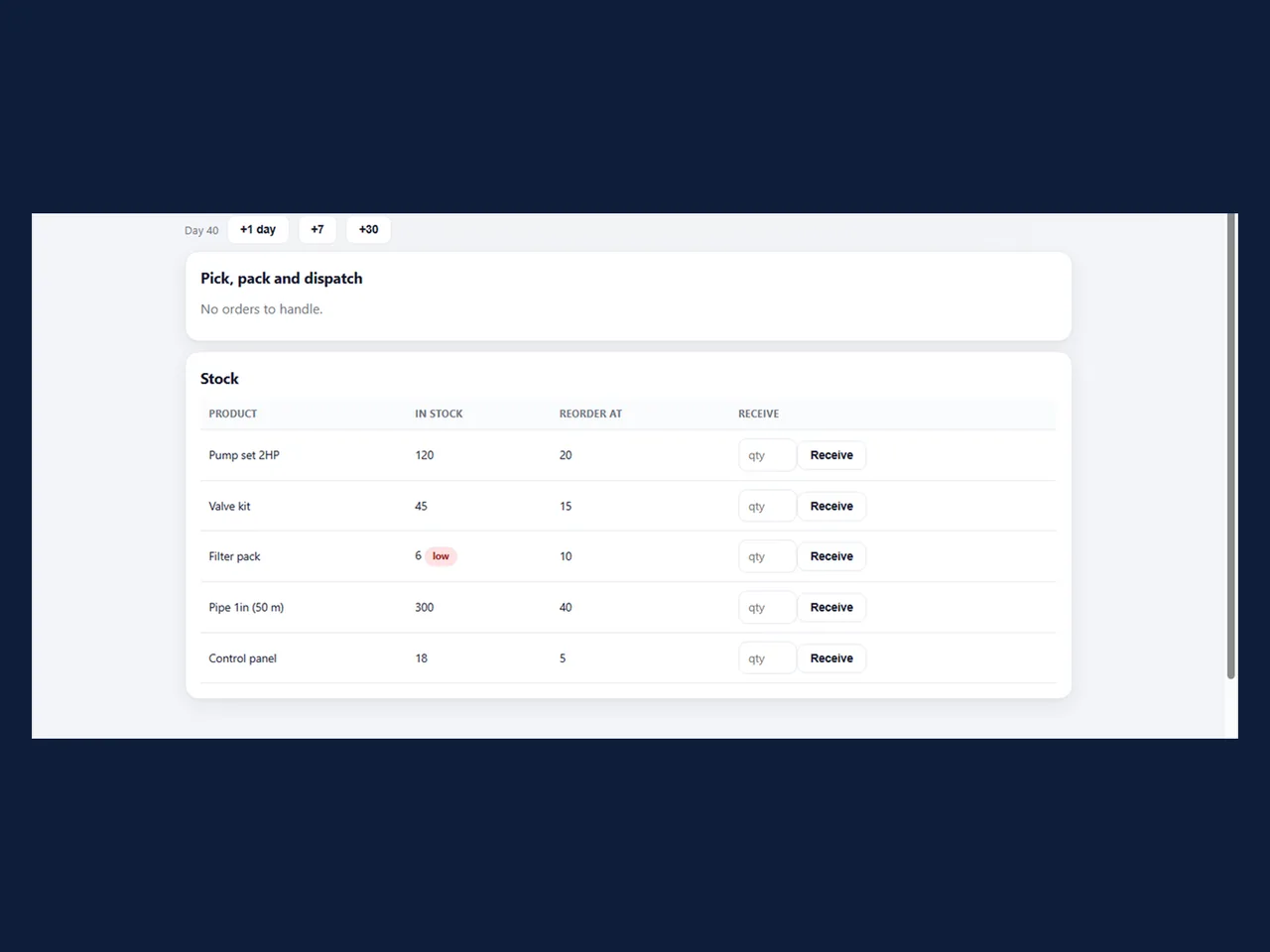
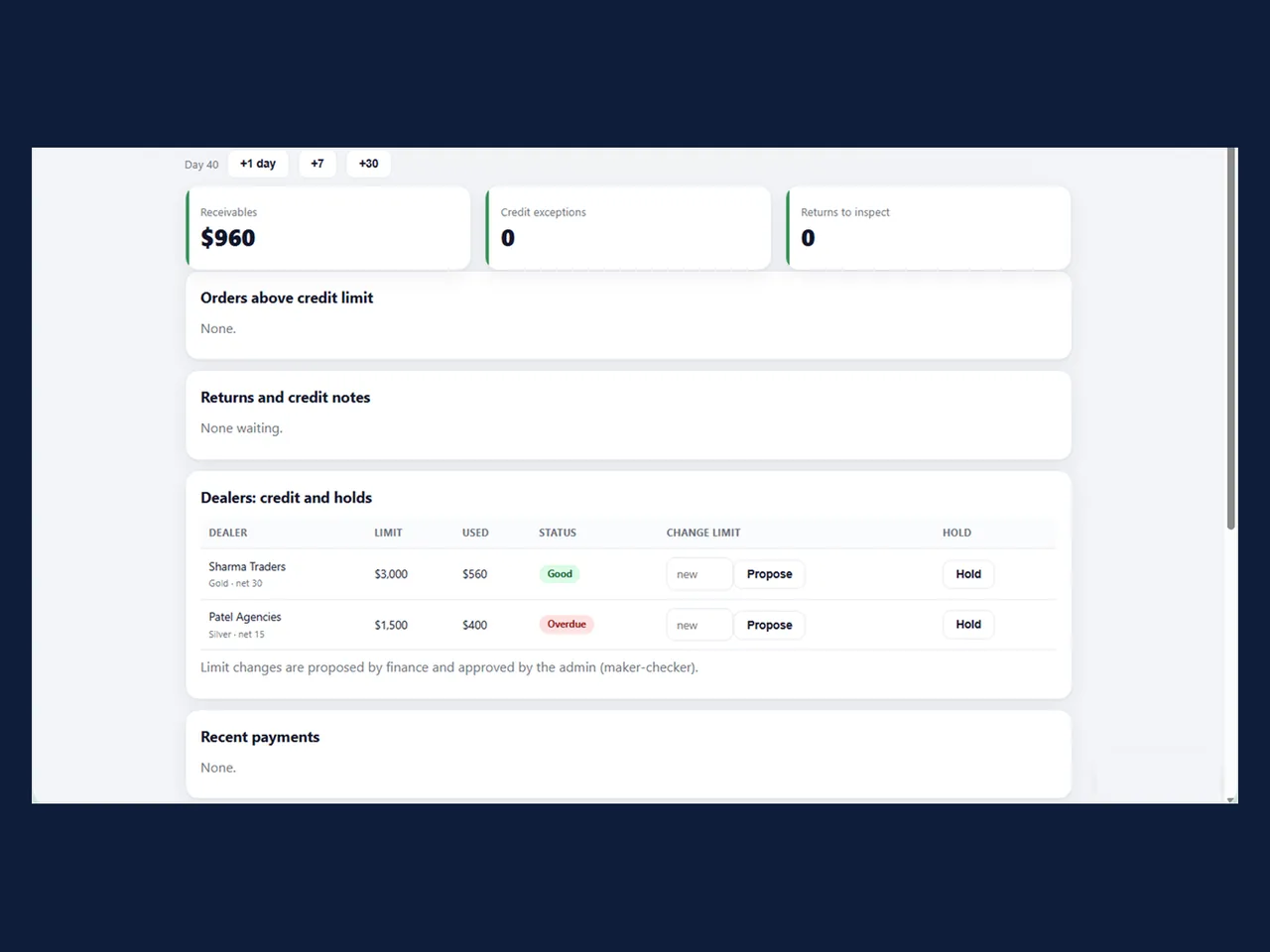
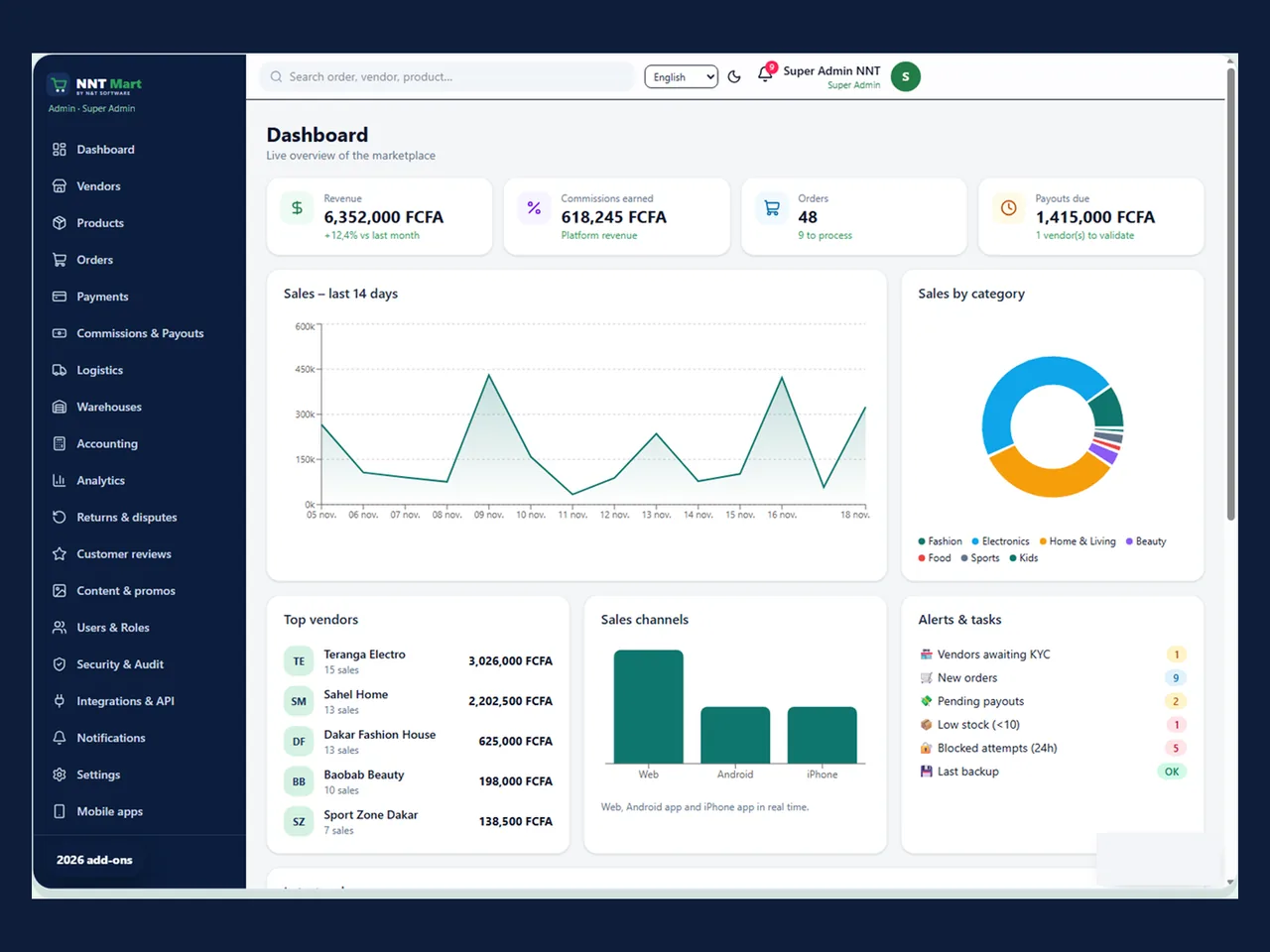
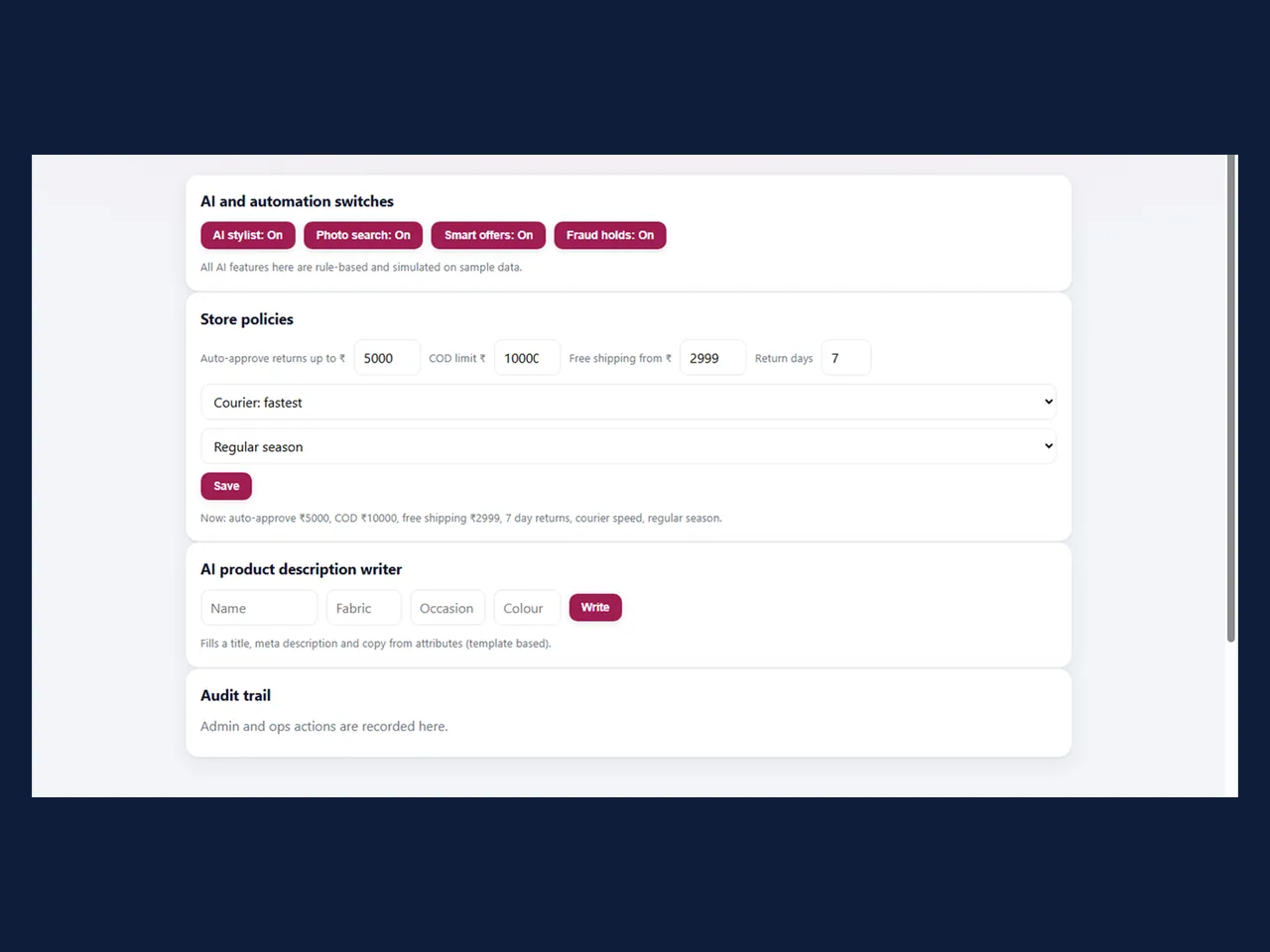
Branded storefront and catalogue manager sit in one admin, connected to payment gateways and wallets, so the team stops re-typing orders and stock.
See what works
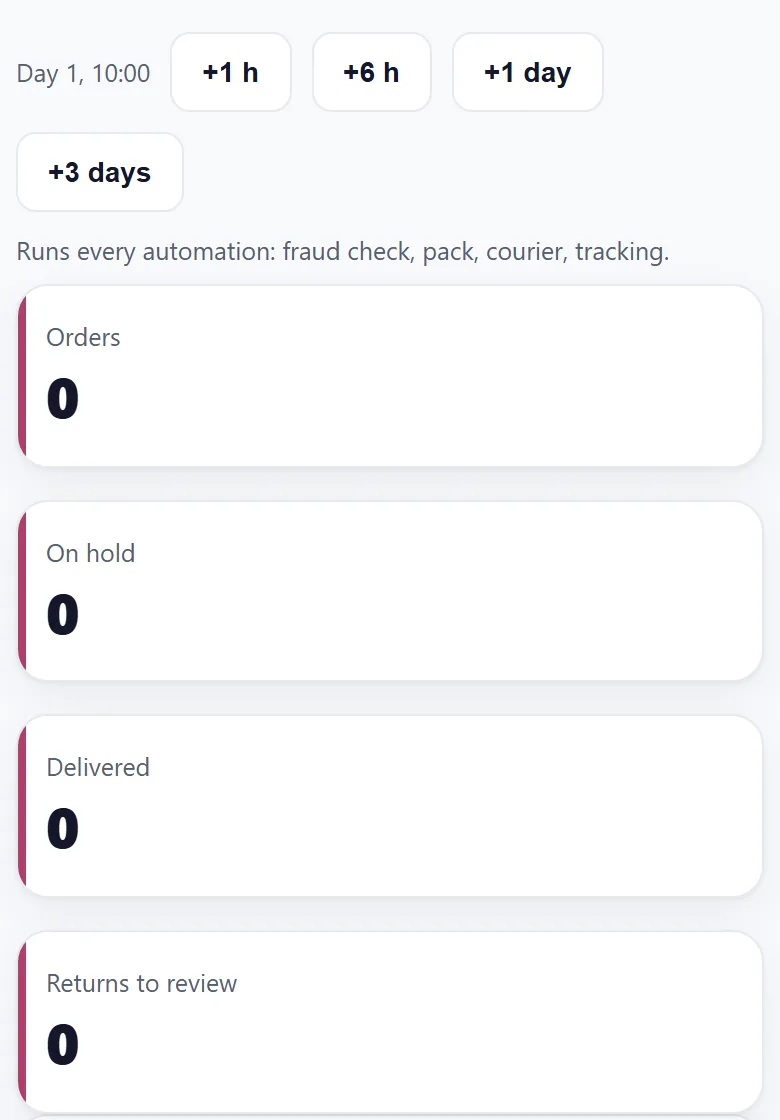
A live dashboard tracks conversion rate, average order value and cart abandonment, so Germany decisions on stock, offers and spend come from numbers, not guesses.
Reach customers on their phones
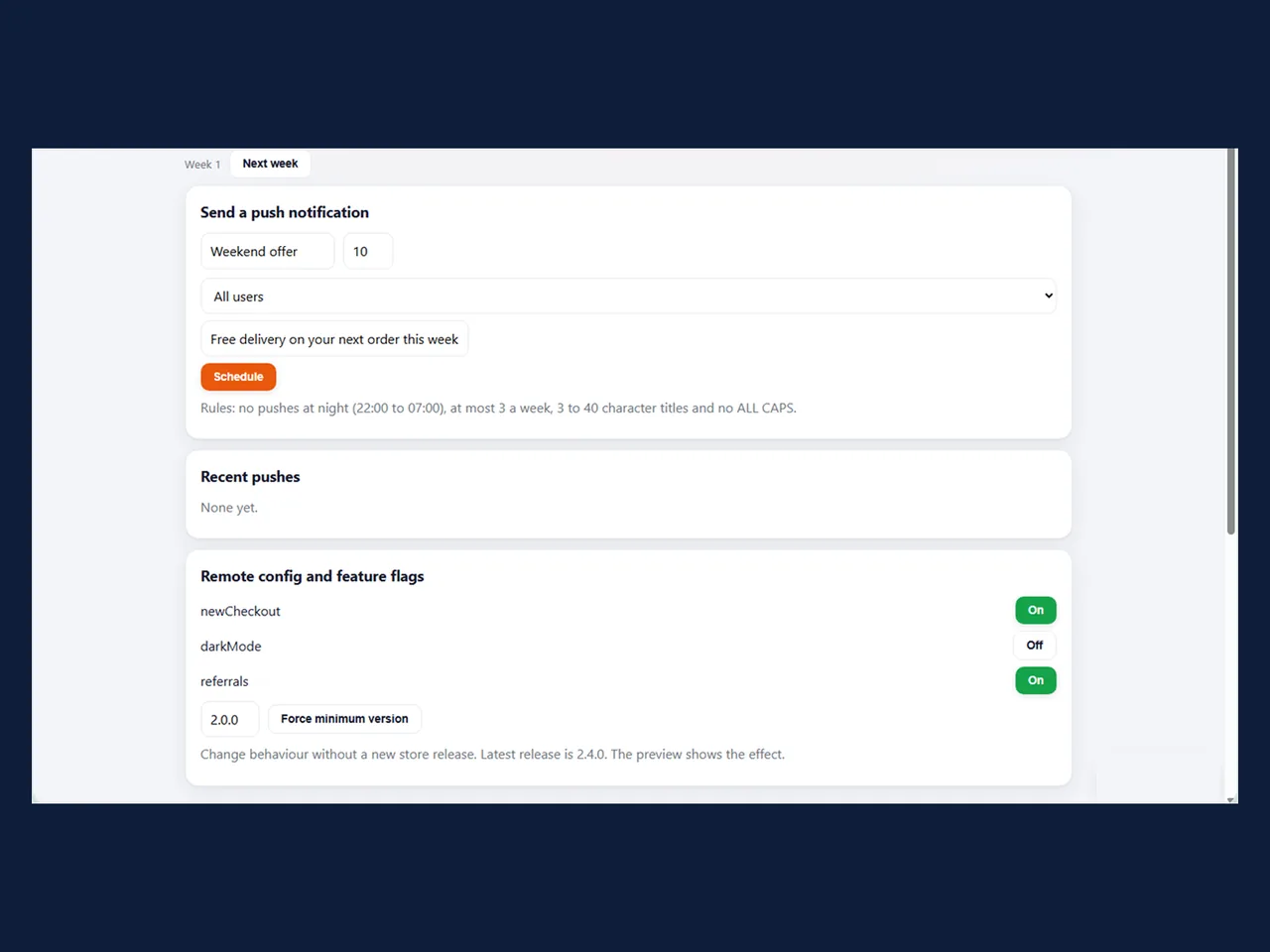
An Android and iOS app on the same backend adds push alerts, saved details and one-tap reorder for repeat buyers in Germany.
Be found by search and AI assistants
Fast pages, product and FAQ schema, a sitemap and direct-answer content let Google and AI assistants read, quote and recommend your online store when Germany customers ask.
Take orders on WhatsApp and the app
Customers in Germany can start an order from a link, WhatsApp or the mobile app and finish it in one checkout, so no enquiry is lost in a chat thread.
Own the technology
After final payment you receive 100% of the source code, design files and documentation, with a 90-day warranty, so growth never depends on a licence you cannot move.
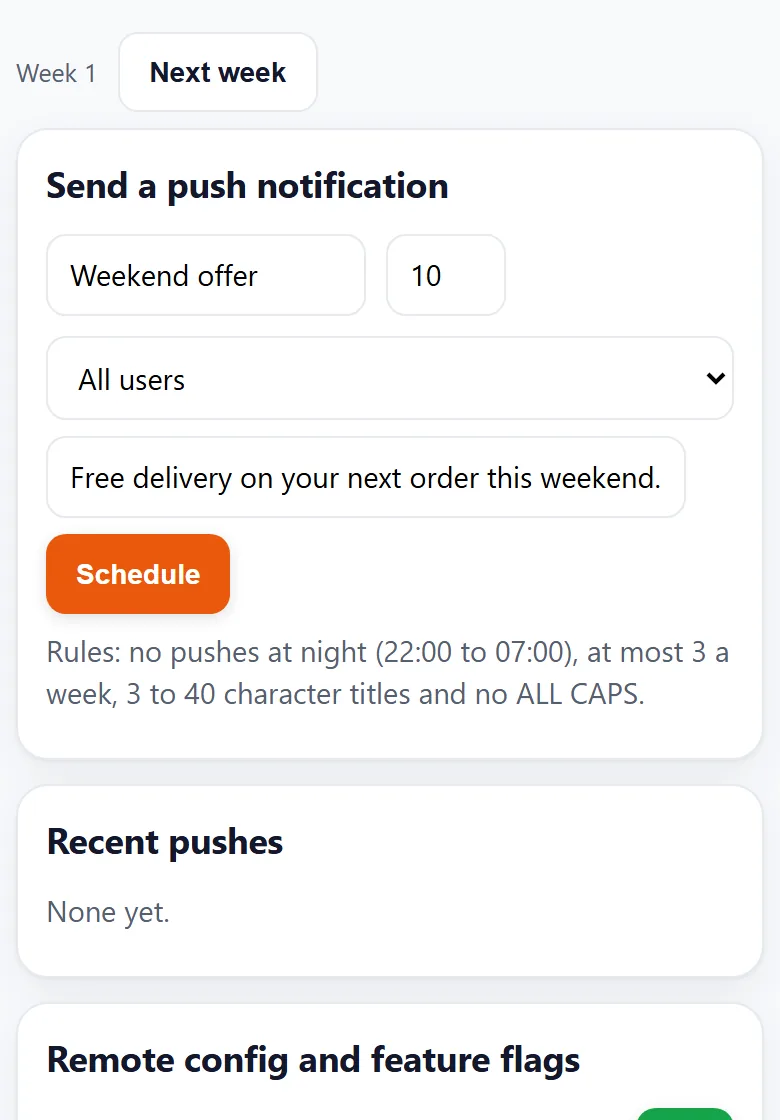
Mobile app for customers in Germany
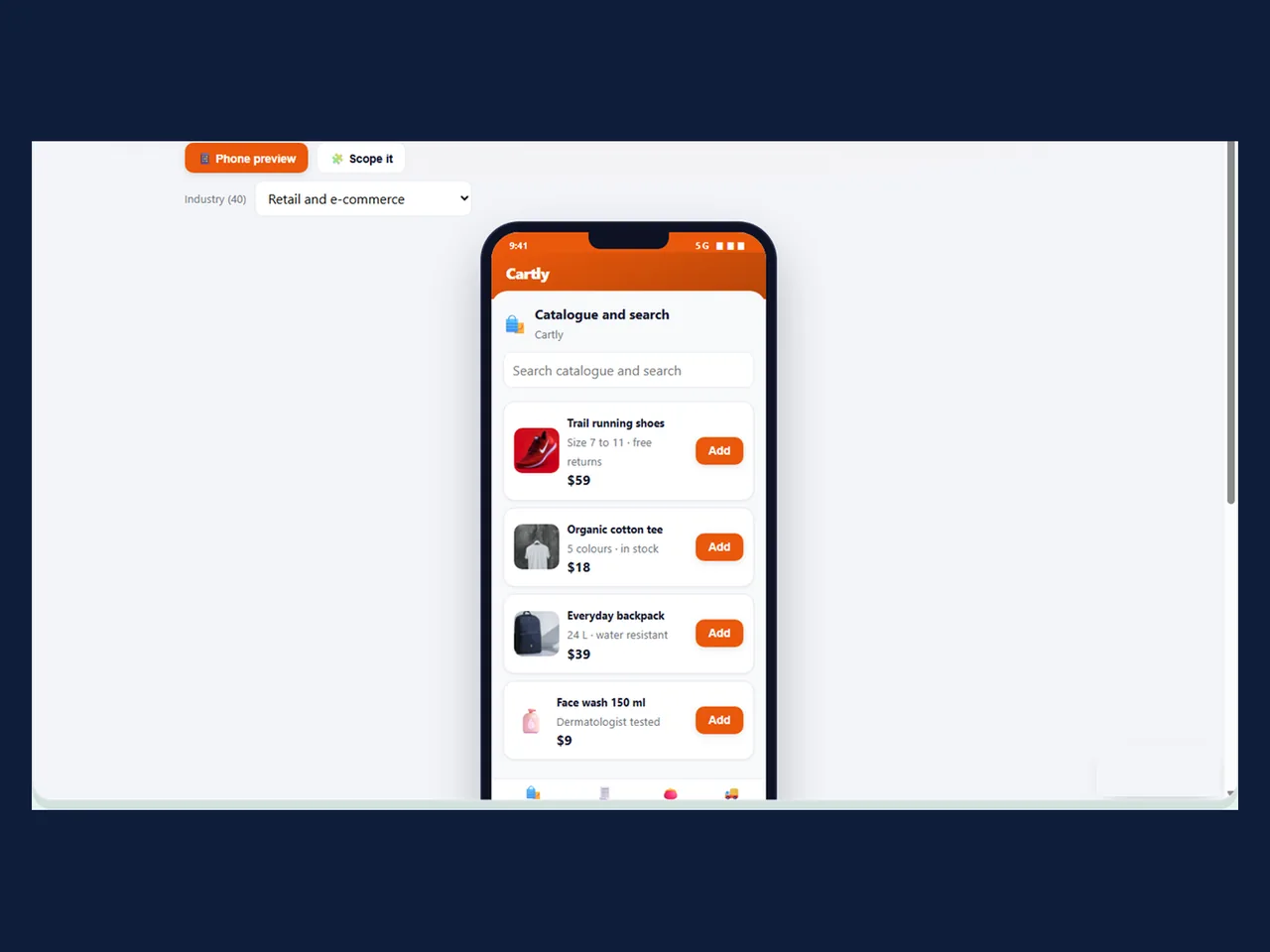
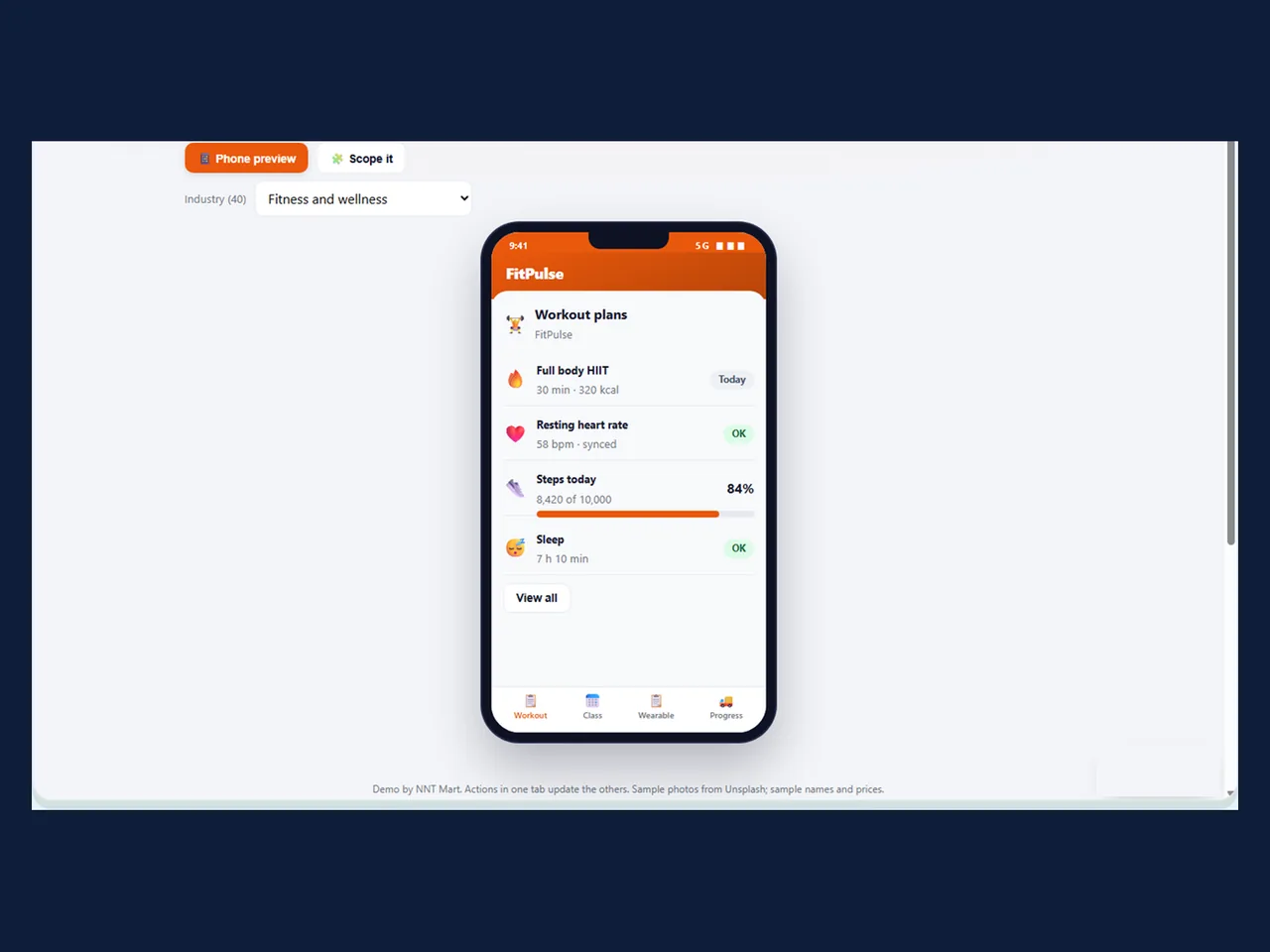
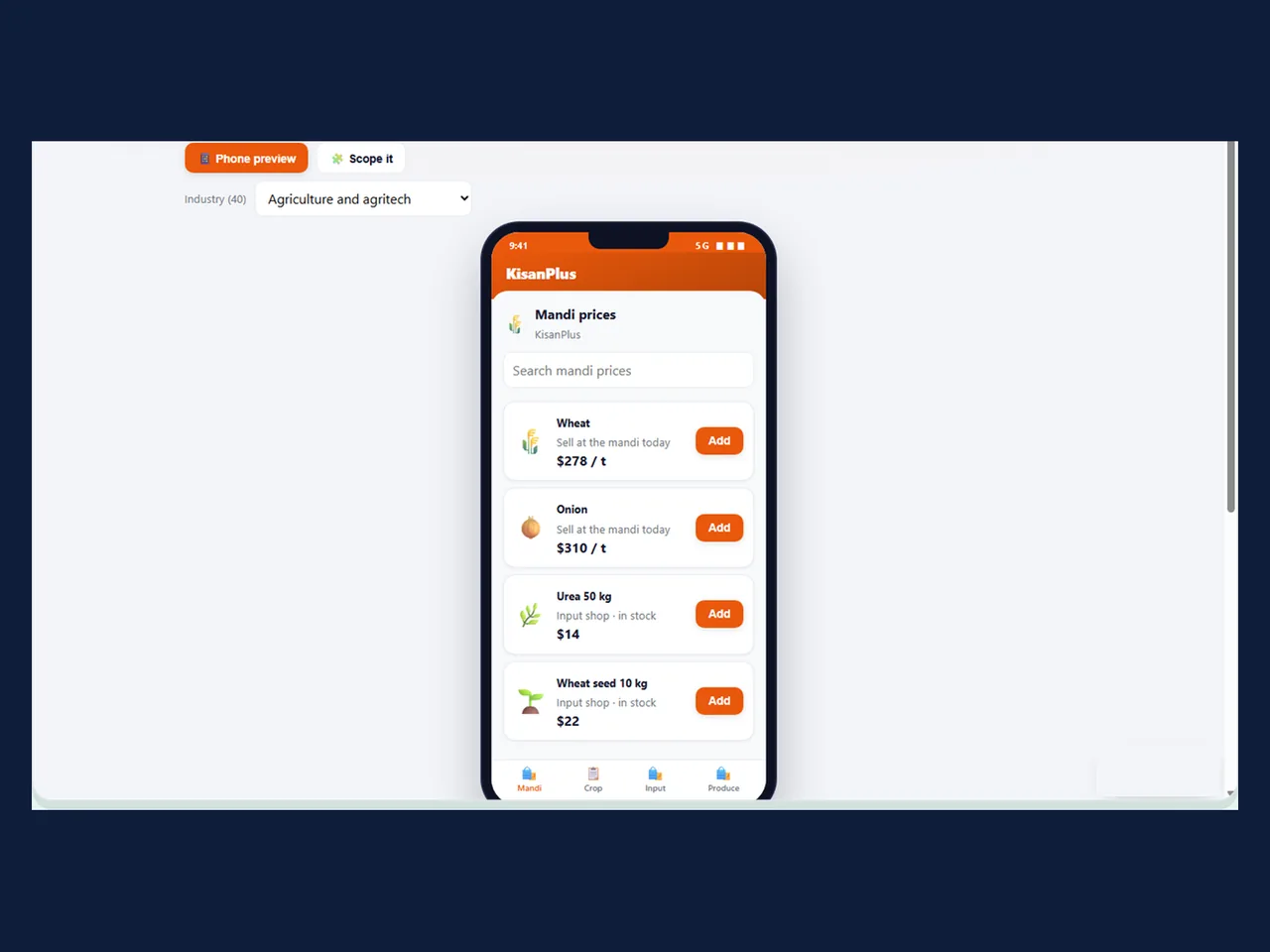
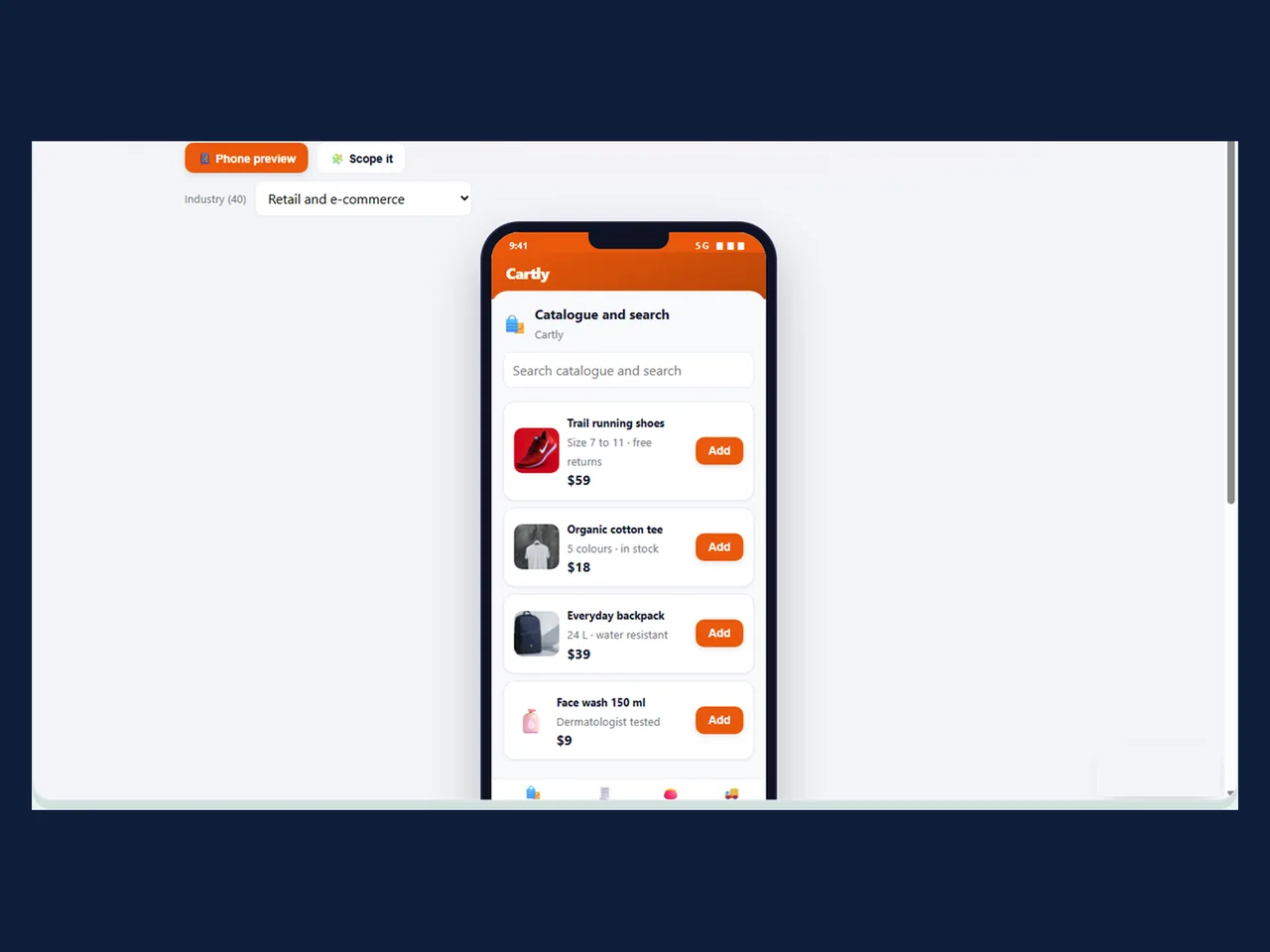
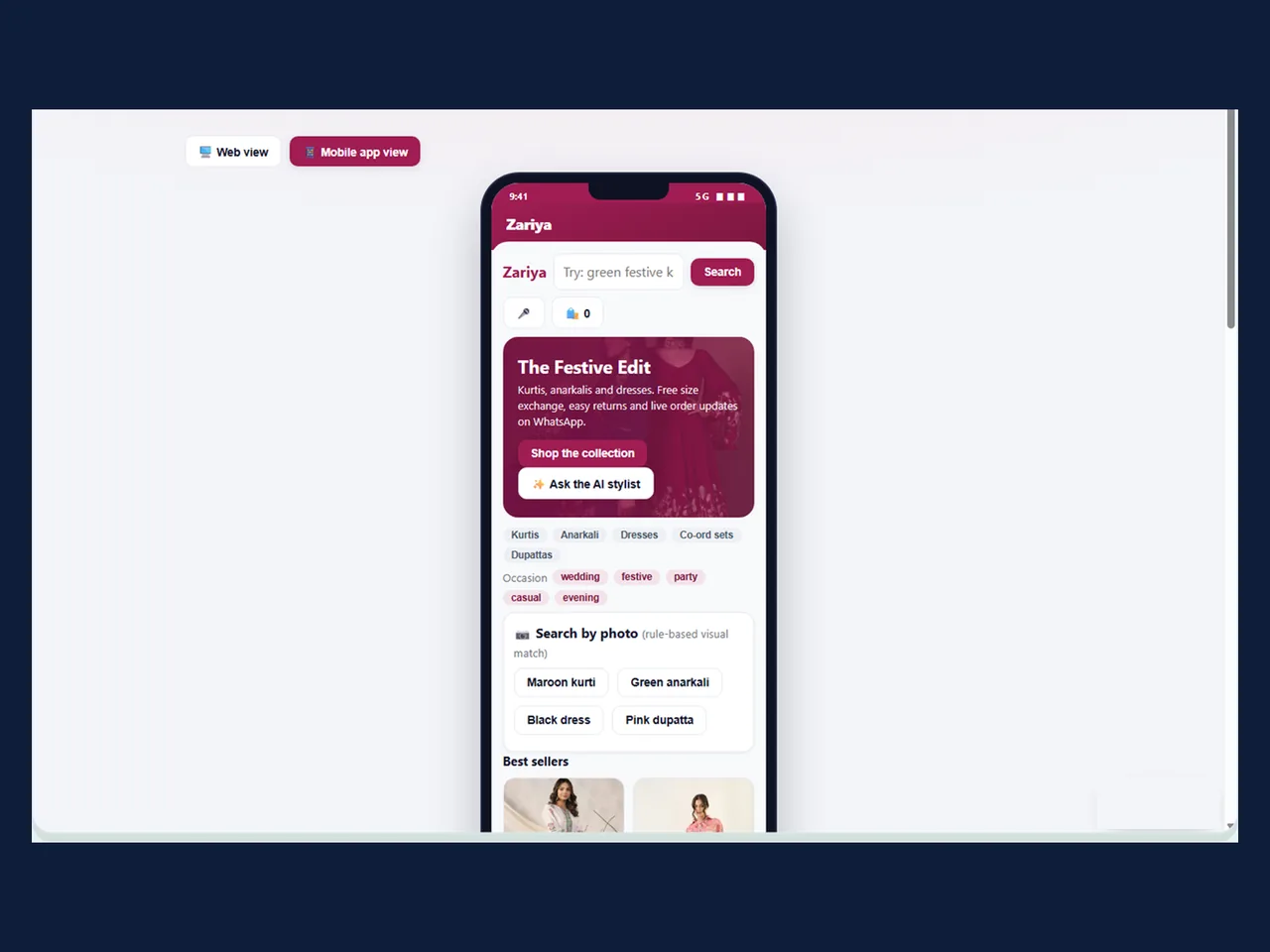
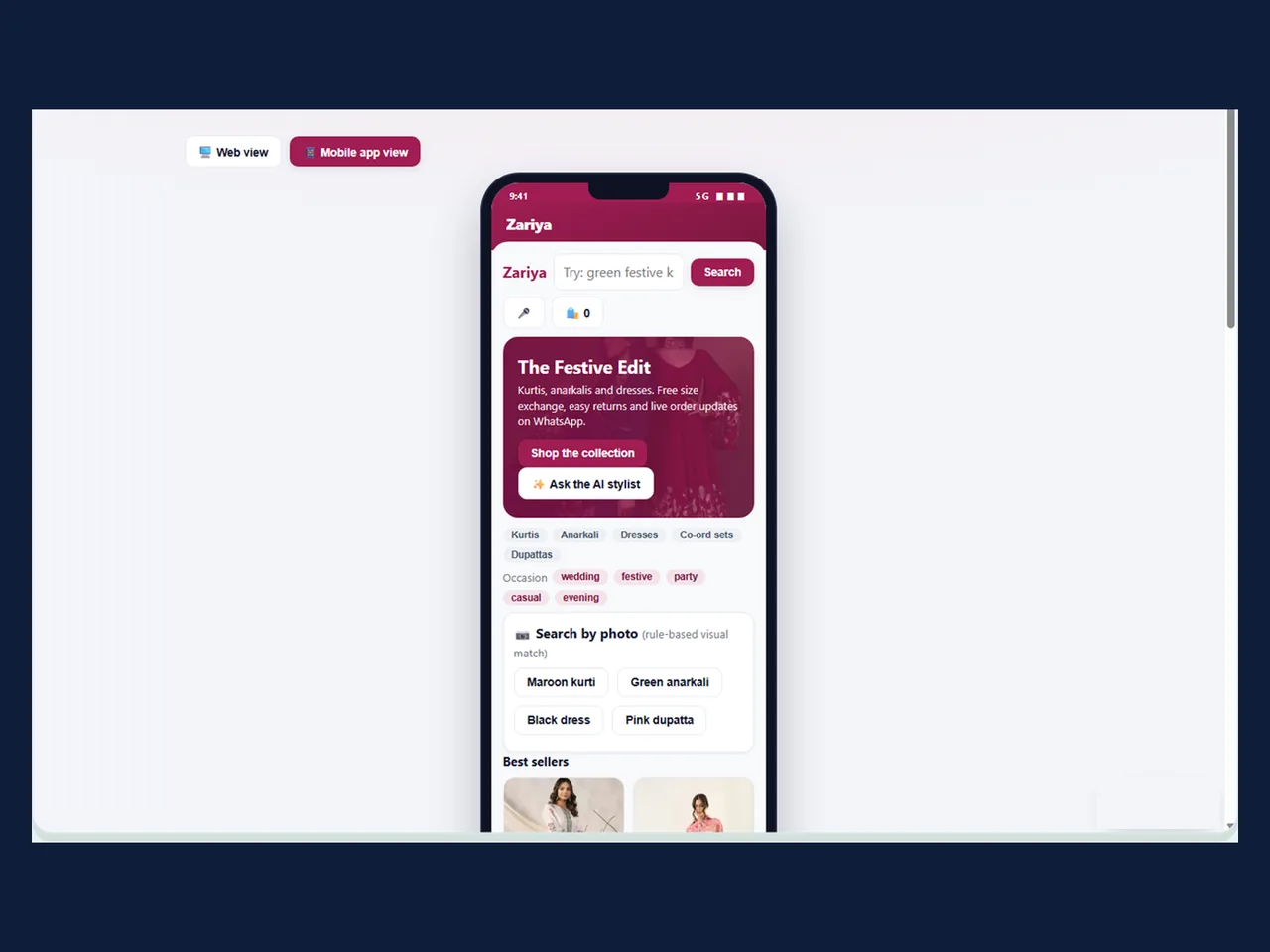
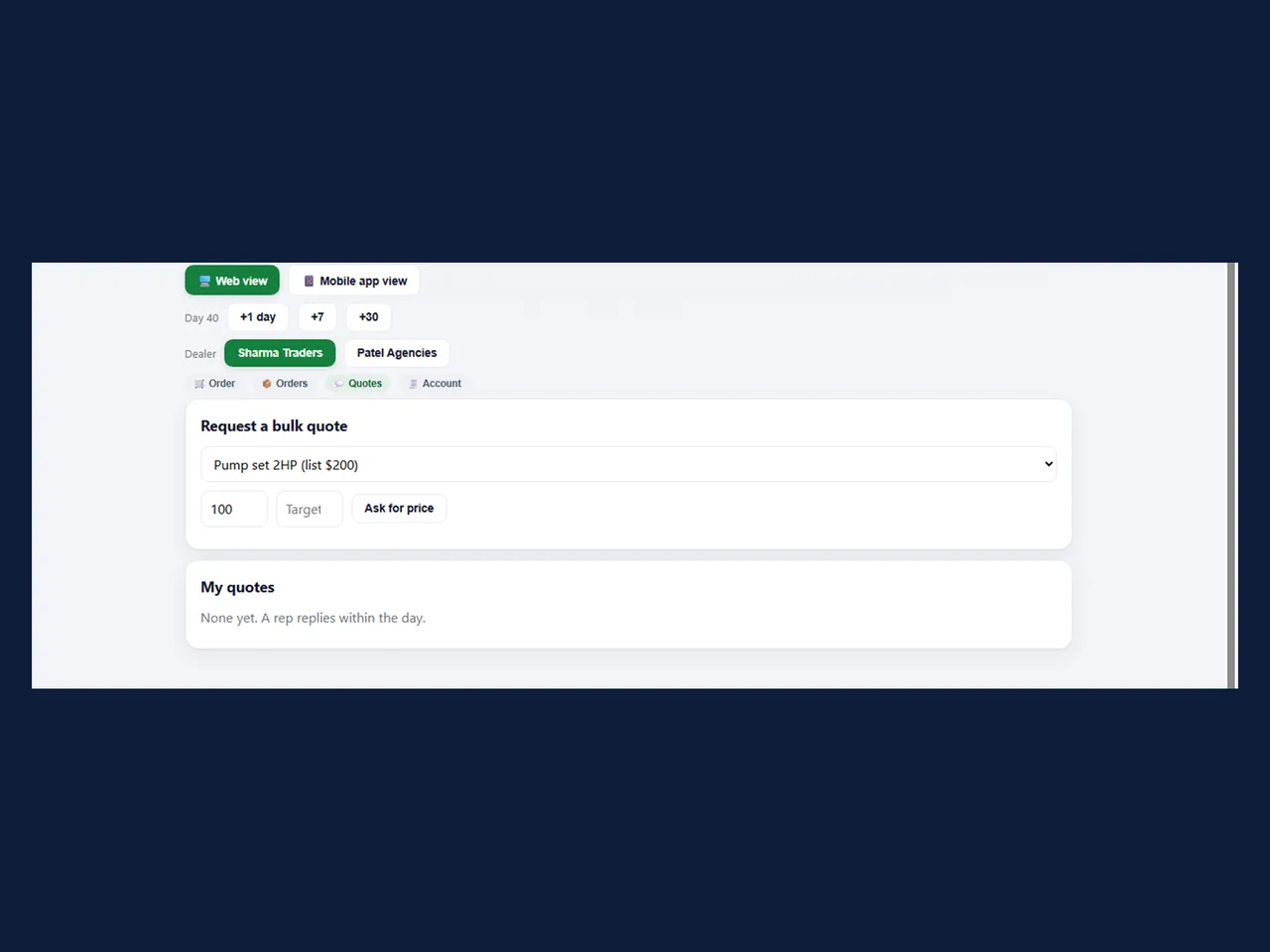
A customer shopping app for Android and iOS can share the same catalogue, cart, offers and order history, with push notifications for drops, price alerts and delivery updates. Apps run on the same backend as your website and ship under your own Google Play and App Store accounts.
For shopping app development company in Germany: one team builds the Android and iOS shopping app and the store behind it, and the ecommerce mobile app cost depends on your screens, integrations and team size.
Alerts and offers can follow Germany time (UTC+1), and the interface can run in German where your customers need it.


