

What is NNT Mart Custom E-Commerce Development?
When standard store features cannot support your products, pricing, approvals, users or integrations, NNT Mart provides a structured path to custom development.
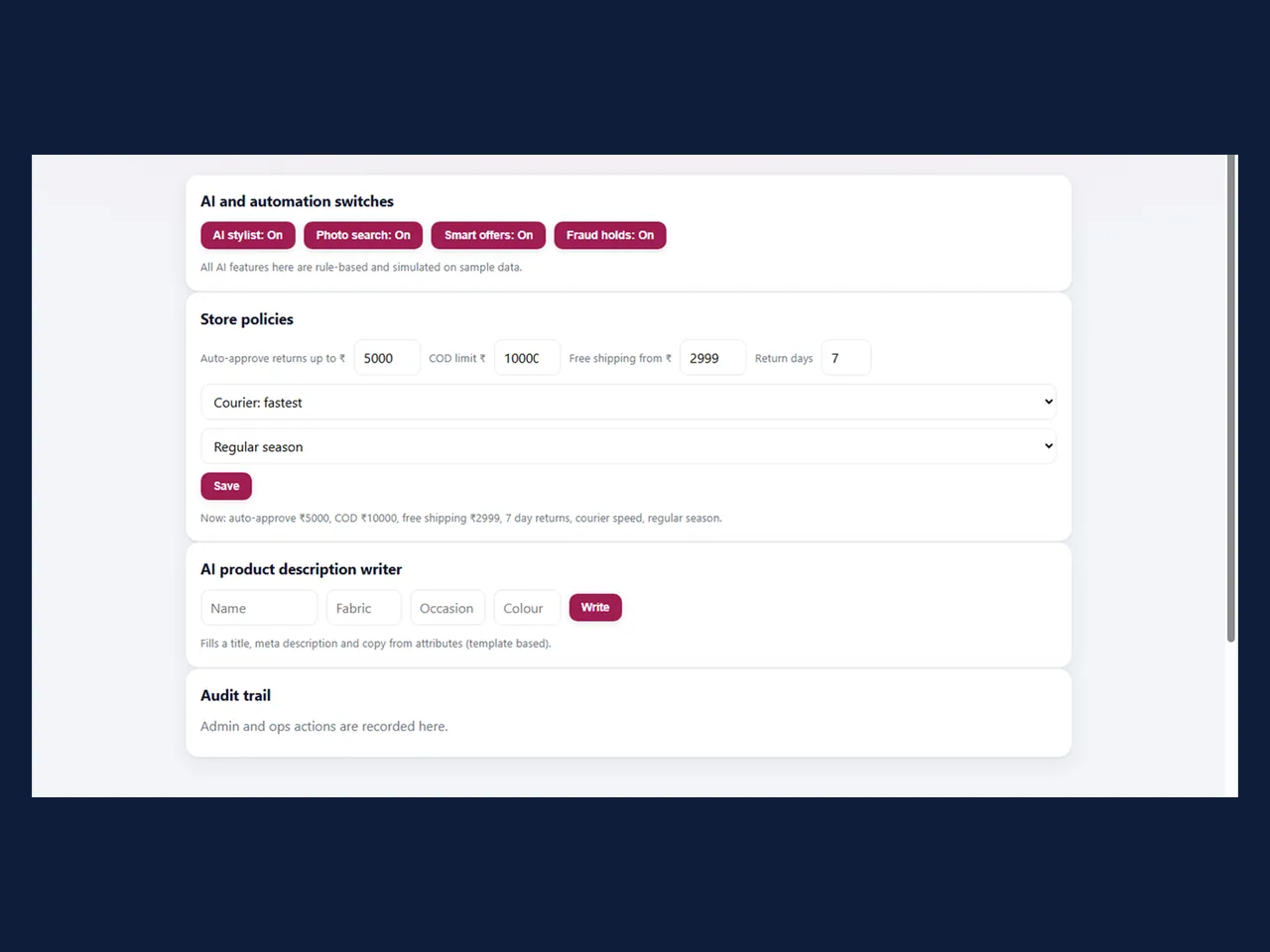
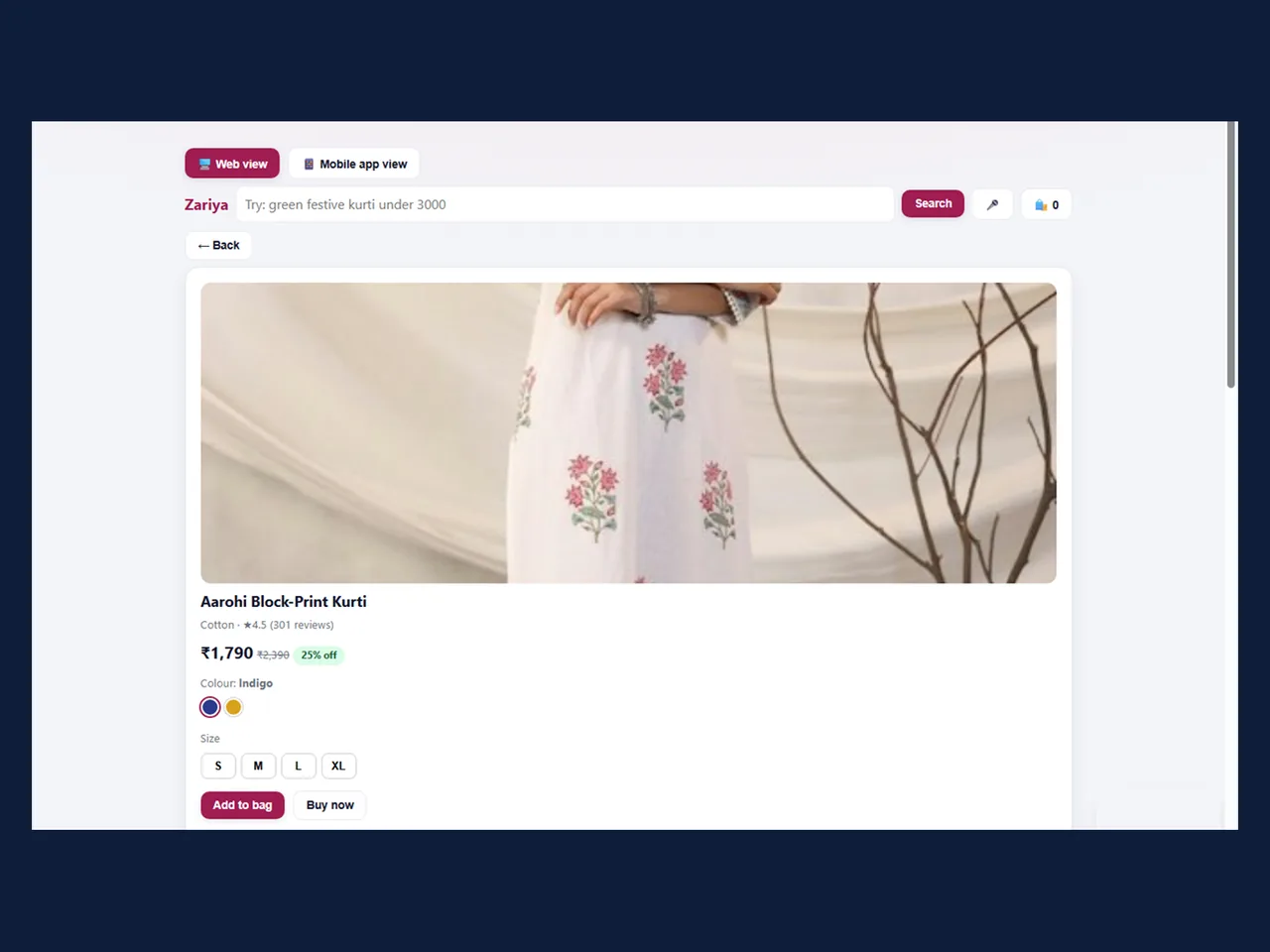
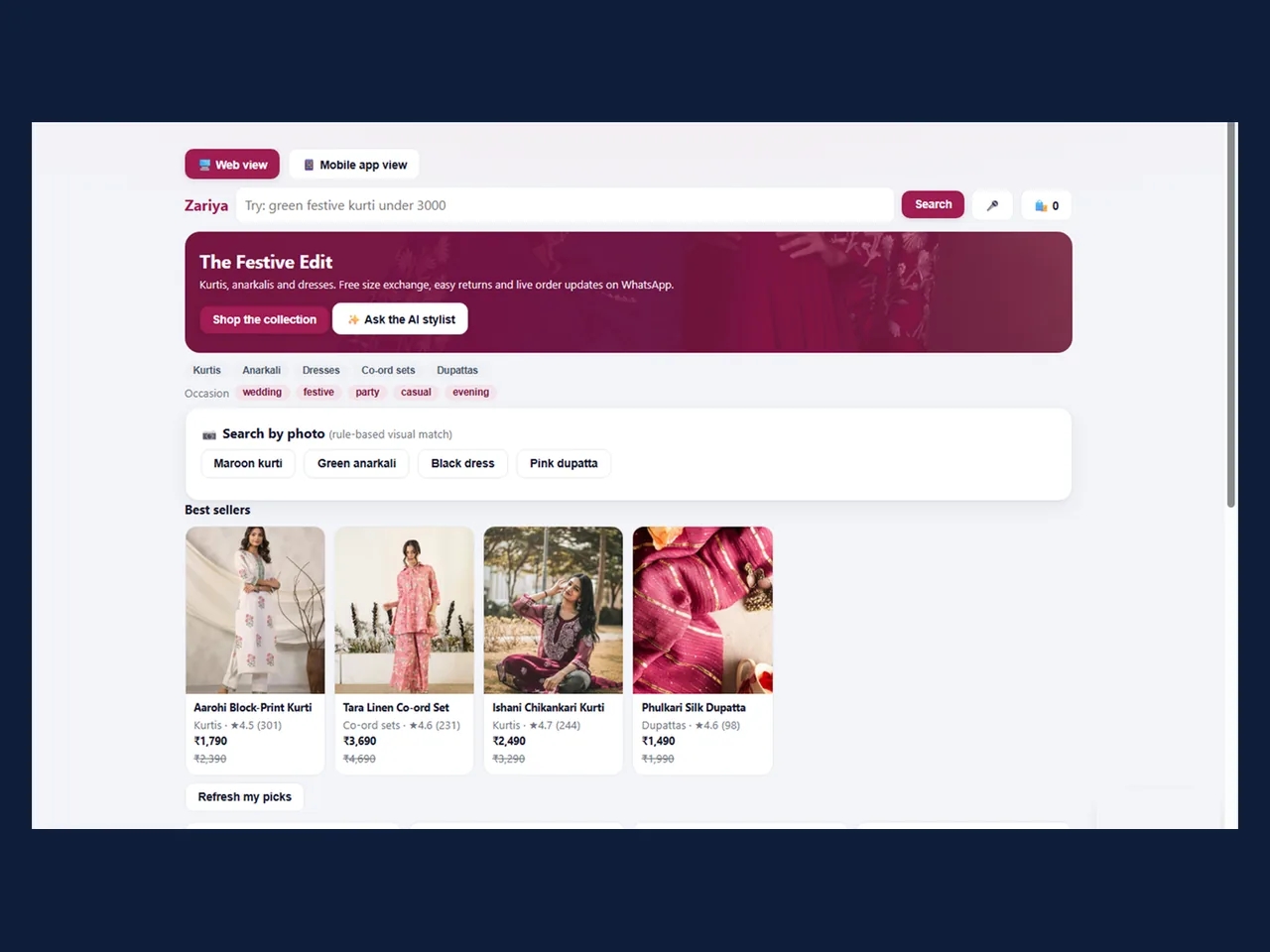
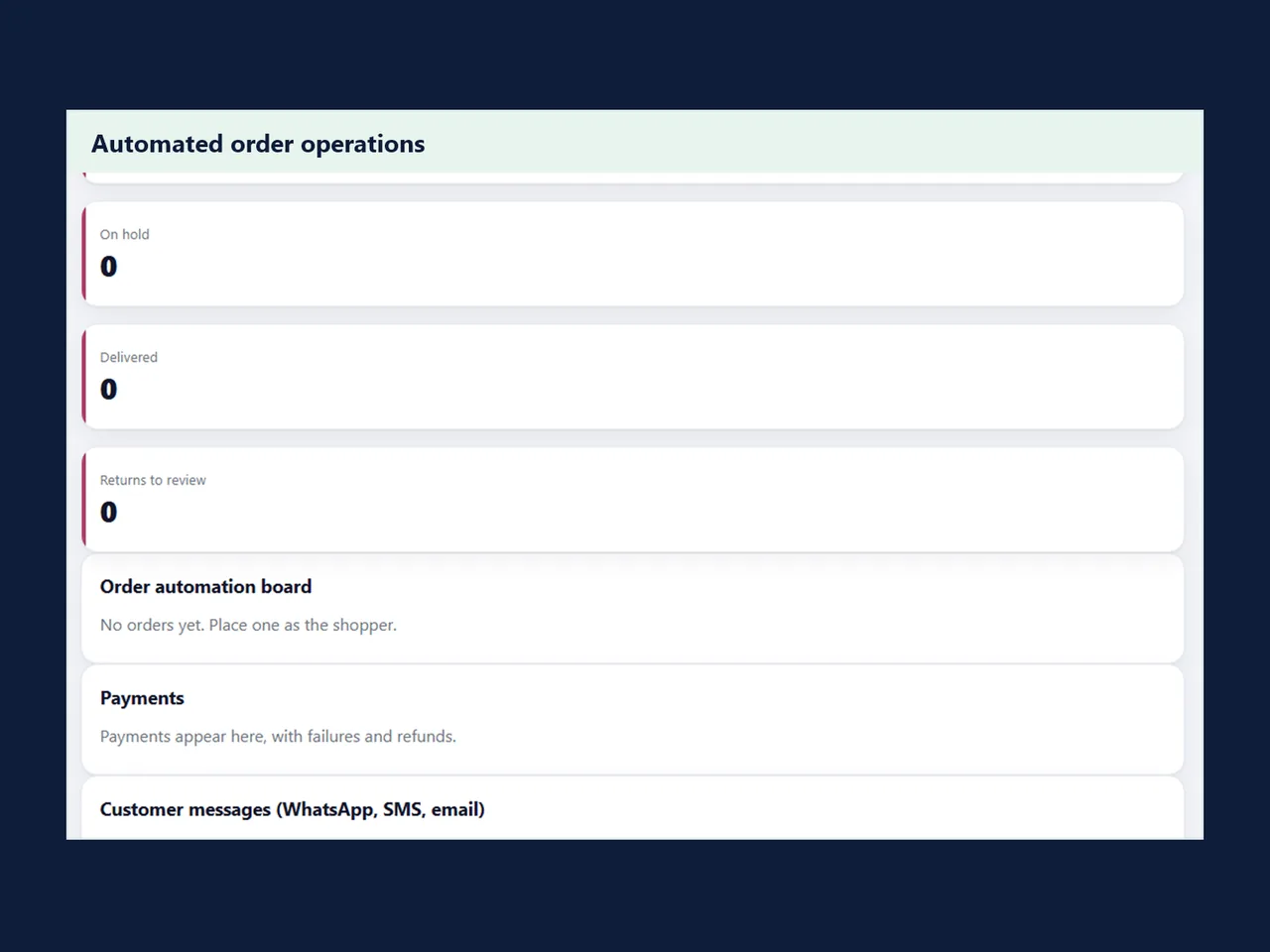
N&T Software combines business analysis, user-experience design, software engineering, integration and deployment around the approved operating model.
We do not hand businesses a ready-made theme: we study how you sell, then build the online platform and Android/iOS app your customers and staff actually need.
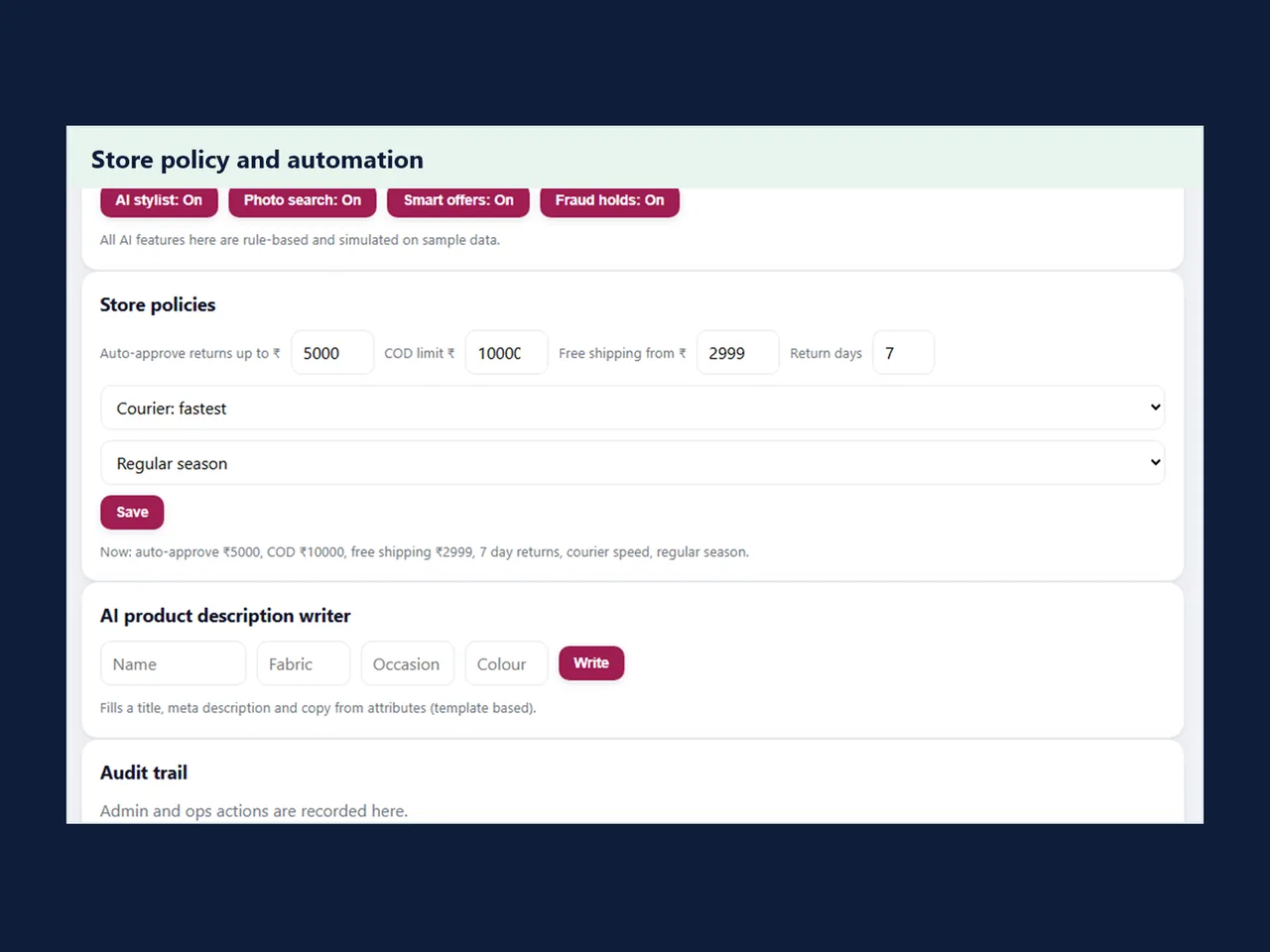
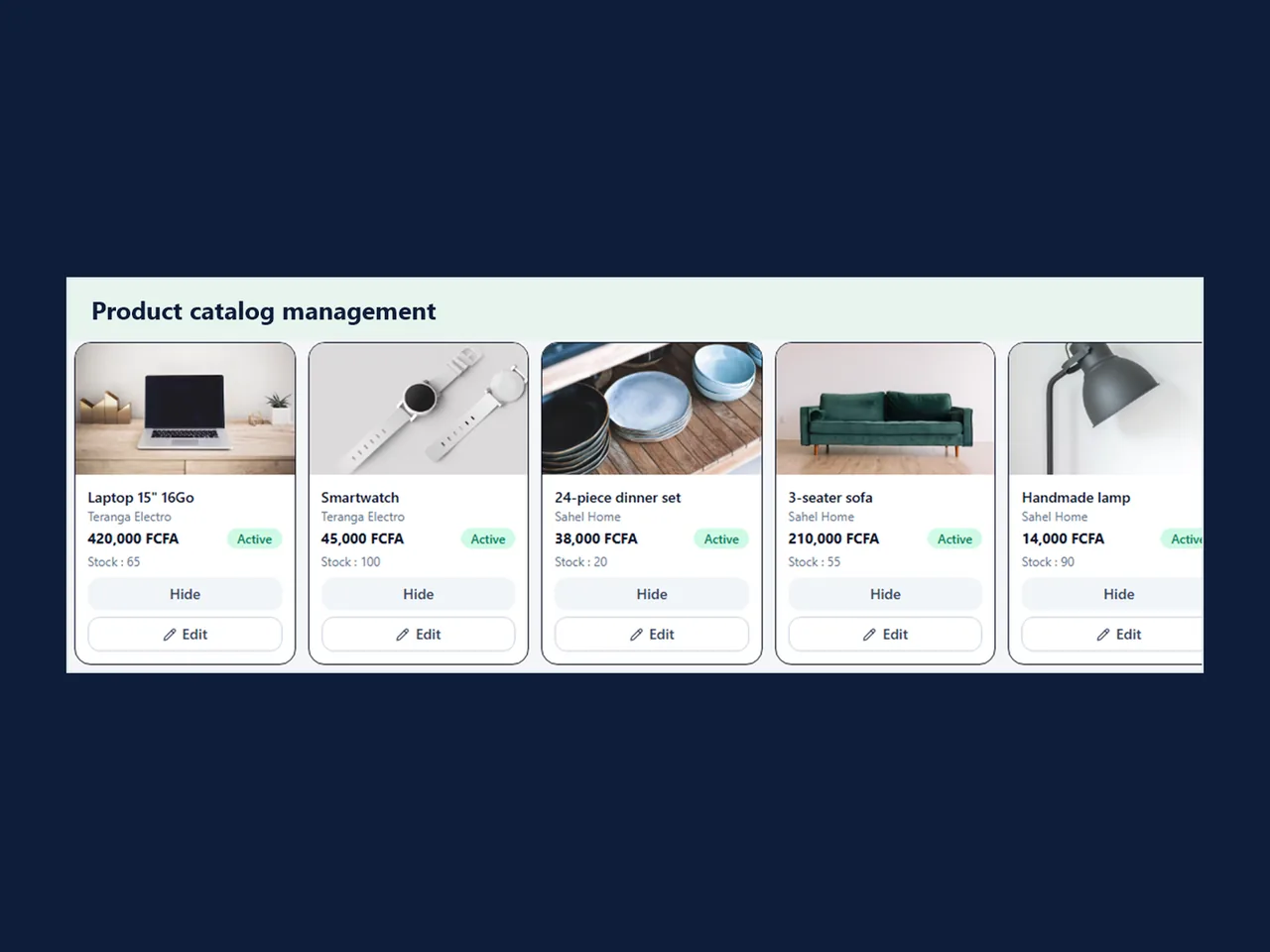
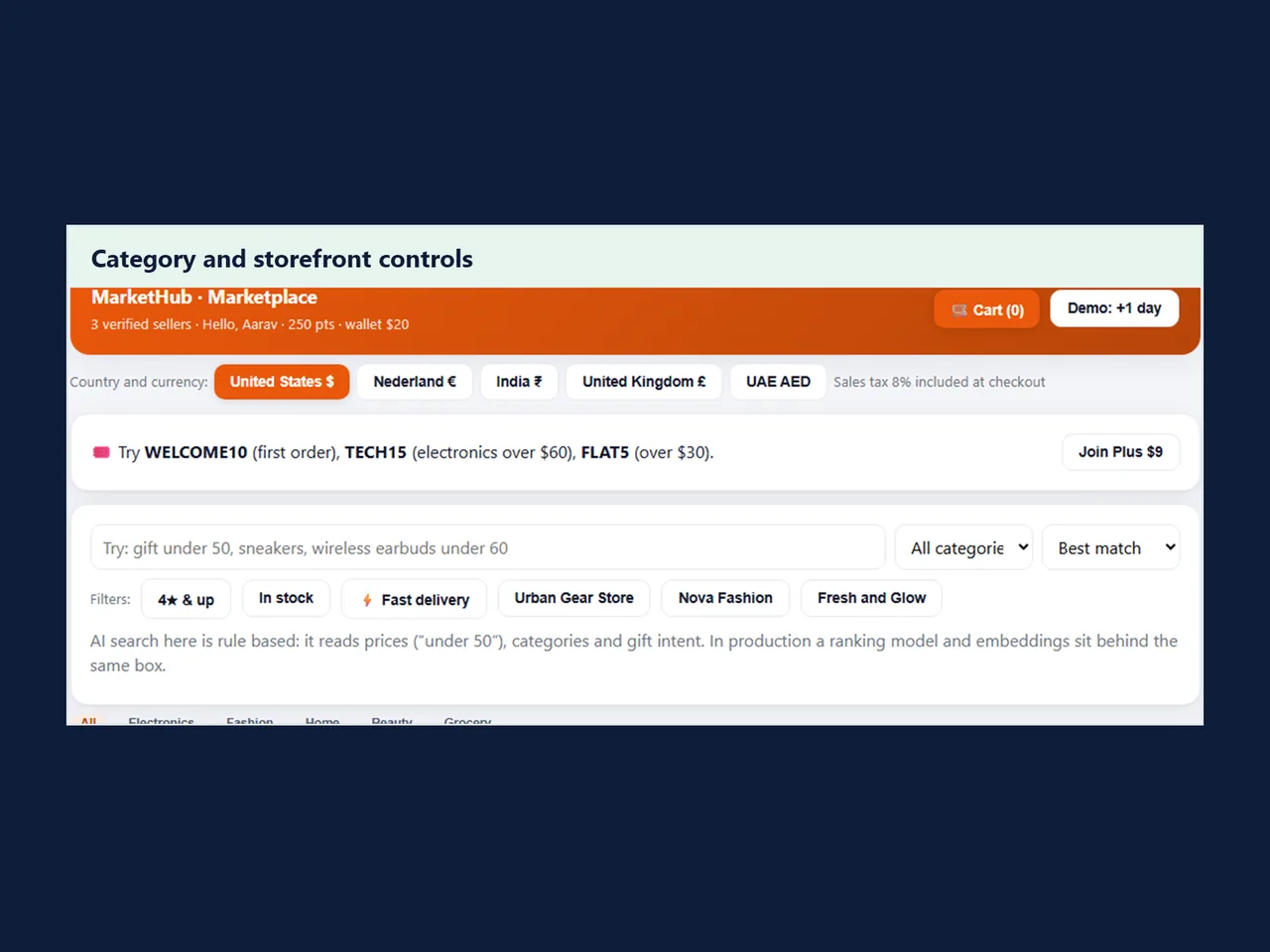
NNT Mart Custom E-Commerce Development is for requirements that templates cannot handle: complex pricing, configurators, multi-entity operations, headless storefronts, migrations and deep ERP integration. N&T Software architects, builds, tests and supports the platform, and you own the source code once the project is paid in full.
The business problem it solves
Complex commerce projects fail when development starts before business rules, data ownership, integration constraints and user responsibilities are clear.
Our approach converts commercial processes into documented journeys, modules, permissions, data flows and acceptance criteria.
NNT Mart replaces that patchwork with one custom e-commerce platform — and, where you need it, a mobile app — designed around how your team actually sells, fulfils and supports customers.
Core modules of a custom e-commerce platform
Every module is configured or custom-developed to your requirements. You decide what launches first and what follows in later phases.
Custom workflows
Product configurators, made-to-order flows, approvals, contracts and industry-specific rules.
Headless architecture
API-first commerce with a fast front end, so web, app, kiosk and marketplace channels share one backend.
Multi-entity operations
Multiple brands, companies, warehouses, currencies and tax registrations on one platform.
Deep integrations
ERP, PIM, WMS, CRM, POS, accounting and legacy systems with reliable, monitored data sync.
Migration
Move from older platforms with product, customer and order history, SEO-safe redirects and parallel runs.
Performance and security
Caching, CDN, load testing, security hardening, audit logs and cloud infrastructure as code.
Full capability list
Beyond the core modules, these capabilities are available for custom e-commerce platforms:
- Discovery and business-process analysis
- User roles, journeys and permission modelling
- Custom storefront and portal design
- Complex product, pricing and approval rules
- B2C, B2B, partner and internal workflows
- ERP, CRM, accounting and legacy integration
- Payment and fulfilment orchestration
- Custom dashboards, reports and automation
- API architecture and third-party connectivity
- Cloud deployment, monitoring and DevOps
- Security review and audit-oriented controls
- Ongoing enhancement and dedicated-team options
How it works for your customers and team
- Discovery identifies goals, users, systems and constraints.
- Requirements are converted into modules and journeys.
- Architecture, data flows, integrations and security are defined.
- The platform is delivered iteratively with review and testing.
- Migration, training, deployment and launch are planned.
- Support and improvement follow an agreed service model.
Each step can be adapted to your approval rules, payment terms and fulfilment model.
Who it is best suited for
We most often build custom e-commerce platforms for enterprises with complex catalogues, multi-brand groups, businesses outgrowing SaaS platforms, companies migrating legacy stores, regulated sectors and high-traffic retailers.
- Enterprise commerce transformation
- Regulated or approval-driven commerce
- Institutional procurement and ordering
- Multi-company or multi-division platforms
- Complex dealer and franchise networks
- Legacy commerce modernisation
Integrations
Custom e-commerce platforms rarely work alone. We connect yours with the systems you already use:
- SAP, Oracle, Microsoft Dynamics and Odoo ERPs
- PIM and DAM
- WMS and 3PL systems
- POS and store systems
- Search engines (Elasticsearch, Algolia)
- Identity and SSO
- Cloud platforms (AWS, Azure, GCP)
- BI and data warehouses
Any system with a suitable API, database access or approved import and export process can be integrated.
Mobile app included when you need it
Because the platform is API-first, customer, staff and partner mobile apps can be added at any point without rebuilding the backend.
Apps share the same backend as your web platform, so prices, stock, offers and orders stay consistent on every channel.
Launch roadmap and success metrics
| Phase | What goes live |
|---|---|
| Foundation | Architecture, core commerce, priority integrations and migration. |
| Differentiate | Custom workflows, configurators and automation. |
| Optimise | Performance, new channels, apps and continuous enhancement. |
We track page load and API response times, uptime, order-sync accuracy, manual-work hours saved, release frequency and total cost of ownership from launch day on a dashboard you can see.
Custom E-Commerce Development in 188 countries
Each market has its own payment habits, couriers, tax and privacy rules. Our country and city pages explain how custom e-commerce platforms are localised; here is the short version by region:
India
1 country including India. Checkouts here typically need UPI (Google Pay, PhonePe, Paytm) and RuPay, Visa and Mastercard cards, and deliveries run through partners such as Delhivery.
North America
23 countries including United States, Canada, Mexico and Costa Rica. Checkouts here typically need Visa, Mastercard, Amex and Discover and PayPal and Venmo, and deliveries run through partners such as USPS.
Gulf (GCC)
6 countries including United Arab Emirates, Saudi Arabia, Qatar and Kuwait. Checkouts here typically need Visa and Mastercard cards and Apple Pay and Google Pay, and deliveries run through partners such as Aramex.
Europe
44 countries including United Kingdom, Germany, France and Netherlands. Checkouts here typically need Visa and Mastercard and Apple Pay and Google Pay, and deliveries run through partners such as Royal Mail.
Asia
33 countries including Singapore, Malaysia, Indonesia and Thailand. Checkouts here typically need PayNow QR and Visa and Mastercard, and deliveries run through partners such as SingPost.
Africa
55 countries including South Africa, Nigeria, Kenya and Egypt. Checkouts here typically need Visa and Mastercard and instant EFT (Ozow, Stitch), and deliveries run through partners such as The Courier Guy.
Australia & Oceania
14 countries including Australia, New Zealand, Fiji and Papua New Guinea. Checkouts here typically need Visa and Mastercard and eftpos, and deliveries run through partners such as Australia Post and StarTrack.
South America
12 countries including Brazil, Argentina, Chile and Colombia. Checkouts here typically need Pix and credit cards with parcelamento (instalments), and deliveries run through partners such as Correios.

