
Why Samba businesses are investing in custom e-commerce platforms
Samba is a city administered by india in jammu & kashmir, where around 45,000 people live and shop, and one of the markets in Jammu and Kashmir, India where we build custom e-commerce platforms.
Industrial estate town — a business base that increasingly wants to sell online rather than through calls, messages and spreadsheets.
Across Jammu and Kashmir, the economy is shaped by apples and dry fruits, saffron, pashmina and carpets, handicrafts and tourism, with Srinagar (summer), Jammu (winter) as the state capital.
India has more than 6 crore (60 million) MSMEs registered on the Udyam portal (Ministry of MSME). India has the world's largest real-time payments system in UPI and one of the fastest-growing online shopper bases, increasingly from tier-2 and tier-3 cities. Businesses that own their store — with UPI, COD, regional languages and WhatsApp updates — build loyal customers instead of renting them from marketplaces.
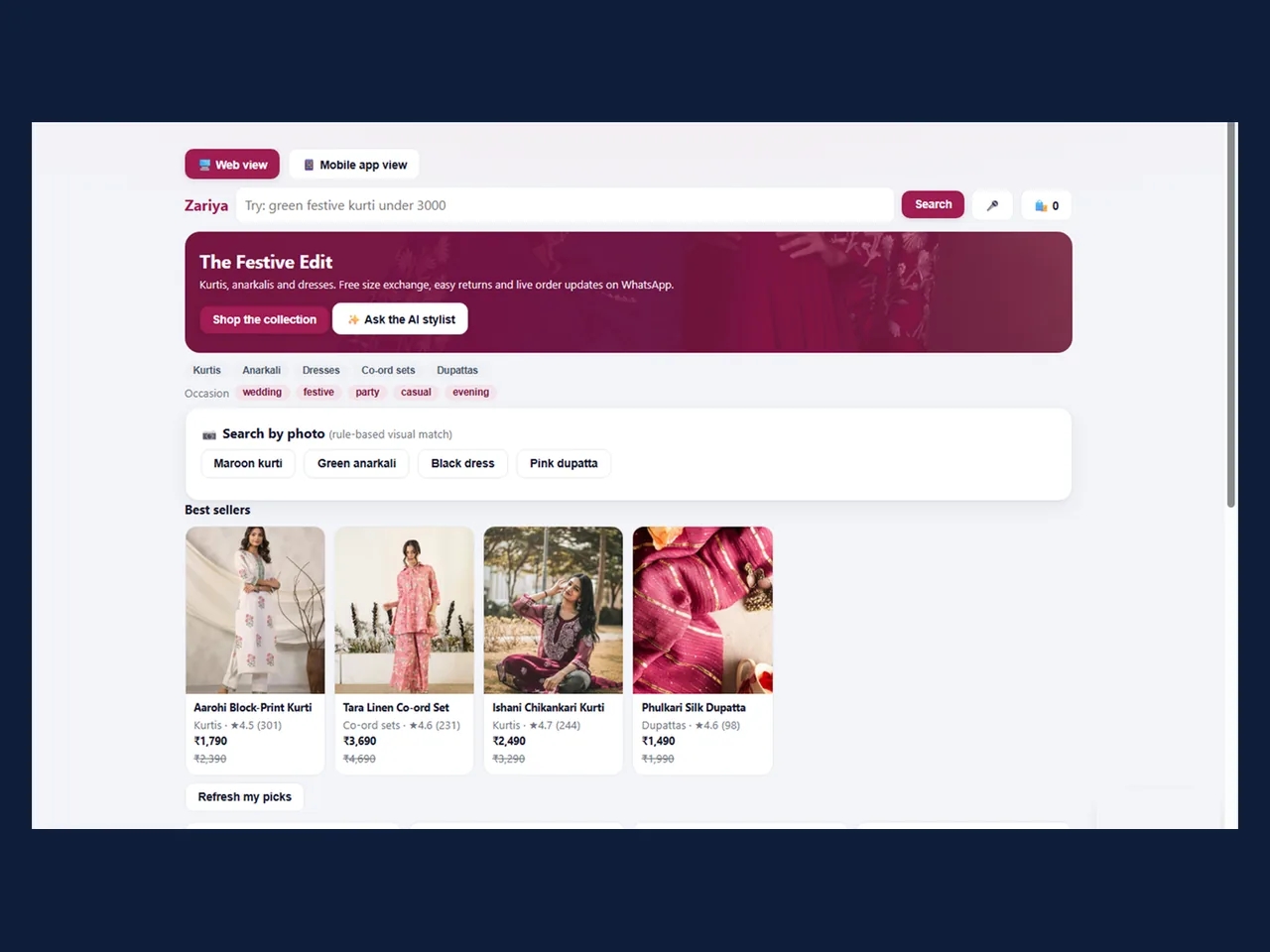
Shoppers and trade buyers in Samba already compare options on their phones; a custom e-commerce platform that loads fast, shows accurate stock and accepts UPI (Google Pay, PhonePe, Paytm) turns that research into orders.
Why Samba businesses need their own online channel today
Customers in India already pay with UPI (Google Pay, PhonePe, Paytm) and RuPay, Visa and Mastercard cards and compare prices on Amazon.in and Flipkart before they decide. Samba alone has about 45,000 people, and a business that cannot be found, ordered from and paid online loses that buyer at the moment of choice.
Orders taken by phone, WhatsApp or spreadsheet cost real money: stock goes wrong, payments are chased by hand and sales stop when the shop closes. Mobiles and electronics, fashion and ethnic wear and beauty and personal care are among the strongest online categories in India, so the demand is already there to capture.
It is also a compliance move. GST-ready invoices and records, and customer data handled under the Digital Personal Data Protection Act 2023 and the DPDP Rules 2025, are far easier to keep right in one system than across notebooks and chat threads.
| Area | Offline and chat orders | With your own custom e-commerce platform in Samba |
|---|---|---|
| Orders | Phone, WhatsApp, spreadsheets; open only in shop hours | Taken 24 hours a day, tracked end to end |
| Payments | Cash and manual follow-up | UPI (Google Pay, PhonePe, Paytm) and RuPay, Visa and Mastercard cards and other local methods at checkout |
| Reach | Walk-ins and word of mouth | Search, social, Amazon.in and Flipkart and a link anyone can share |
| Records | Paper and chat history | GST invoices, customer and stock data in one place |
Local details we build into every Samba project
Conversion in Samba depends on small local signals — the right currency, the right words and the right payment and courier names.
Currency and pricing
The store speaks Indian rupee: INR amounts from product page to invoice, so Samba buyers never convert in their heads.
Language and content
Storefront copy, product pages and emails can run in Kashmiri, Dogri and Urdu, with local date and number formats.
Local trust signals
Trust is local: familiar names such as UPI (Google Pay, PhonePe, Paytm) and RuPay, Visa and Mastercard cards and Delhivery sit next to the buy button.
Domain, phone and contact
Using .in where it suits you signals a local business to shoppers and search engines. Click-to-call and WhatsApp buttons use the +91 calling code so customers reach you without dialling errors.
A custom e-commerce platform built around your Samba business
We do not hand Samba businesses a ready-made theme: we study how you sell, then build the online platform and Android/iOS app your customers and staff actually need.
Typical clients include multi-brand groups, businesses outgrowing SaaS platforms, companies migrating legacy stores and regulated sectors. Categories that sell especially well online in India — mobiles and electronics, fashion and ethnic wear, beauty and personal care and groceries and FMCG — get catalogue structures and filters designed for them.
We start with a requirements meeting, show you a working demo within 24 hours, and only then propose scope, milestones and budget.
What a custom e-commerce platform in Samba should include first
For Samba, we suggest this sequence, so the first release already takes orders and later releases add the rest:
- Foundation: Architecture, core commerce, priority integrations and migration. Set up for INR, UPI (Google Pay, PhonePe, Paytm) and Delhivery.
- Differentiate: Custom workflows, configurators and automation.
- Optimise: Performance, new channels, apps and continuous enhancement.
What your custom e-commerce platform includes
Nothing here is fixed: modules are switched on, reshaped or built from scratch around how your Samba business sells.
Custom workflows
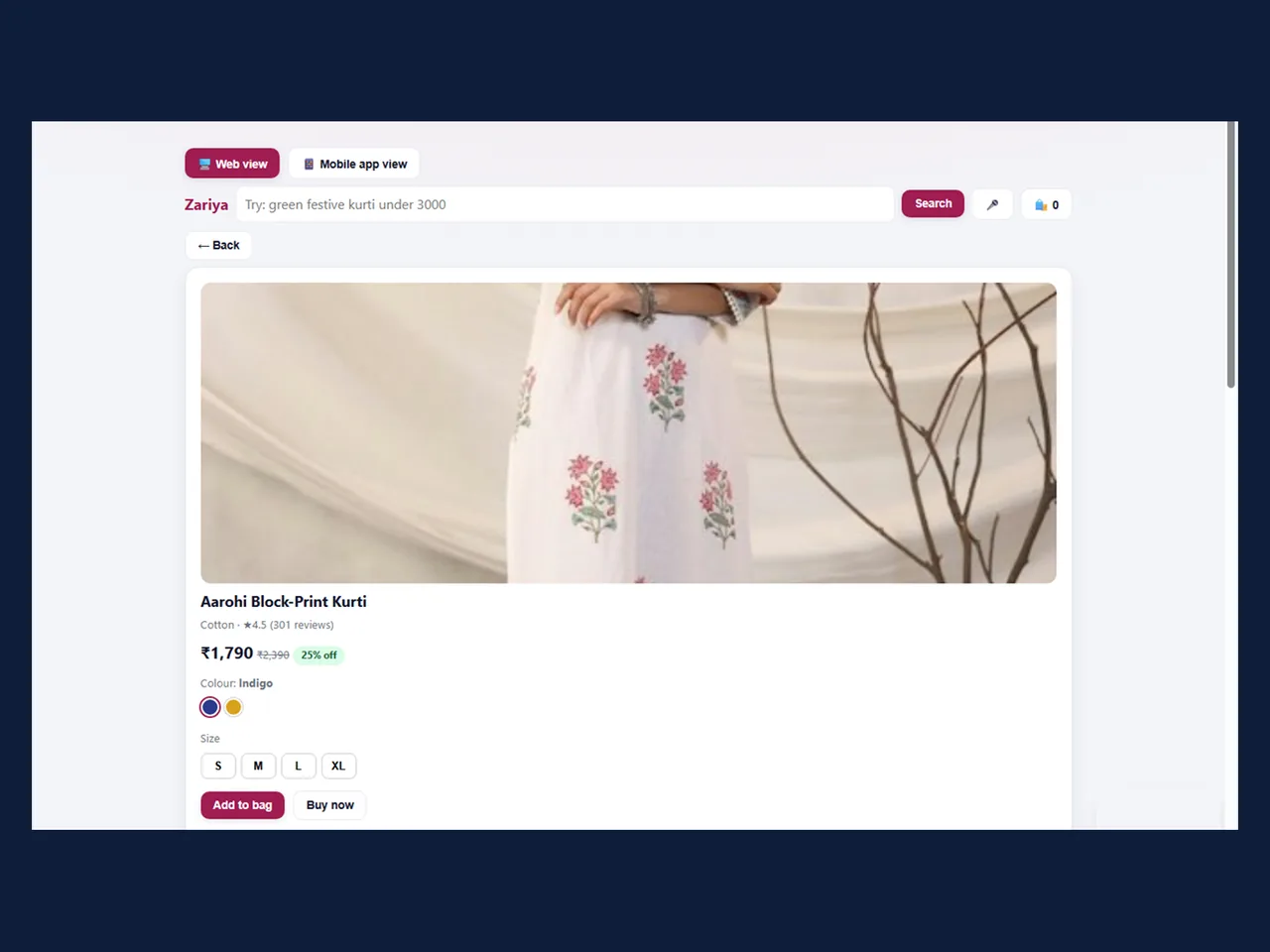
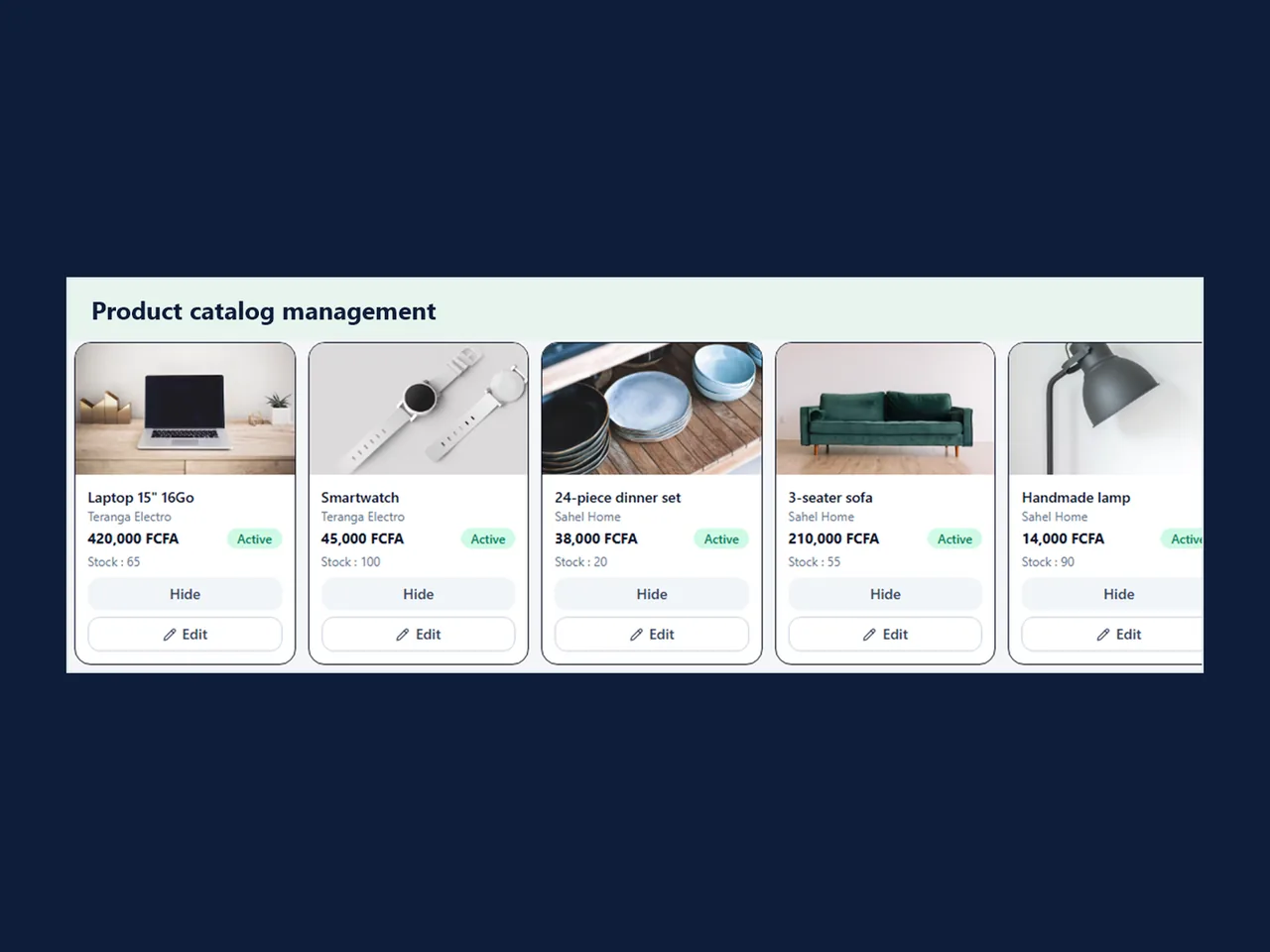
Product configurators, made-to-order flows, approvals, contracts and industry-specific rules. Bulk import and sync tools mean the Samba team never re-keys stock, prices or descriptions by hand.
Headless architecture
API-first commerce with a fast front end, so web, app, kiosk and marketplace channels share one backend. Payment steps are built around UPI (Google Pay, PhonePe, Paytm), RuPay, Visa and Mastercard cards and net banking, the options shoppers here already trust.
Multi-entity operations
Multiple brands, companies, warehouses, currencies and tax registrations on one platform. Couriers such as Delhivery, Blue Dart and Shiprocket plug in alongside your own fleet for Samba orders.
Deep integrations
ERP, PIM, WMS, CRM, POS, accounting and legacy systems with reliable, monitored data sync. Multiple stock points in Jammu and Kashmir are supported, so a Samba order ships from the nearest one.
Migration
Move from older platforms with product, customer and order history, SEO-safe redirects and parallel runs. Revenue reports by product, repeat buyer and delivery area of Samba guide stock and marketing decisions.
Performance and security
Caching, CDN, load testing, security hardening, audit logs and cloud infrastructure as code. Content and design can follow how customers in Samba search and buy, including Kashmiri and Dogri where you need it.
Custom ecommerce development and more: what we build in Samba
Businesses in Samba search for these in different words. Each one is something NNT Mart designs, builds and supports:
Custom ecommerce development in Samba
Product configurators, made-to-order flows, approvals, contracts and industry-specific rules. Built for Samba: UPI and RuPay, Visa and Mastercard cards payments and Delhivery delivery.
Headless ecommerce development in Samba
API-first commerce with a fast front end, so web, app, kiosk and marketplace channels share one backend. In Samba it takes UPI at checkout and ships through Delhivery.
Enterprise ecommerce solution in Samba
Multiple brands, companies, warehouses, currencies and tax registrations on one platform. For Samba, prices, tax and invoices are in INR and GST-ready.
Ecommerce development company in Samba
ERP, PIM, WMS, CRM, POS, accounting and legacy systems with reliable, monitored data sync. Built for Samba: UPI and RuPay, Visa and Mastercard cards payments and Delhivery delivery.
Ecommerce ERP integration in Samba
Move from older platforms with product, customer and order history, SEO-safe redirects and parallel runs. In Samba it takes UPI at checkout and ships through Delhivery.
Ecommerce platform migration in Samba
Caching, CDN, load testing, security hardening, audit logs and cloud infrastructure as code. For Samba, prices, tax and invoices are in INR and GST-ready.
Bespoke ecommerce software in Samba
Product configurators, made-to-order flows, approvals, contracts and industry-specific rules. Built for Samba: UPI and RuPay, Visa and Mastercard cards payments and Delhivery delivery.
Scalable ecommerce architecture in Samba
API-first commerce with a fast front end, so web, app, kiosk and marketplace channels share one backend. In Samba it takes UPI at checkout and ships through Delhivery.
What a custom e-commerce platform gives your Samba business
The gain is practical and measurable:
Keep the customer and the margin
Orders that come through your own custom e-commerce platform keep your pricing, brand and customer list, instead of paying commission on Amazon.in and Flipkart for every sale.
Sell round the clock to Samba
Customers order and pay at any hour, including evenings and weekends, with UPI (Google Pay, PhonePe, Paytm) and RuPay, Visa and Mastercard cards at checkout, so sales no longer depend on shop hours.
Run the business from one place
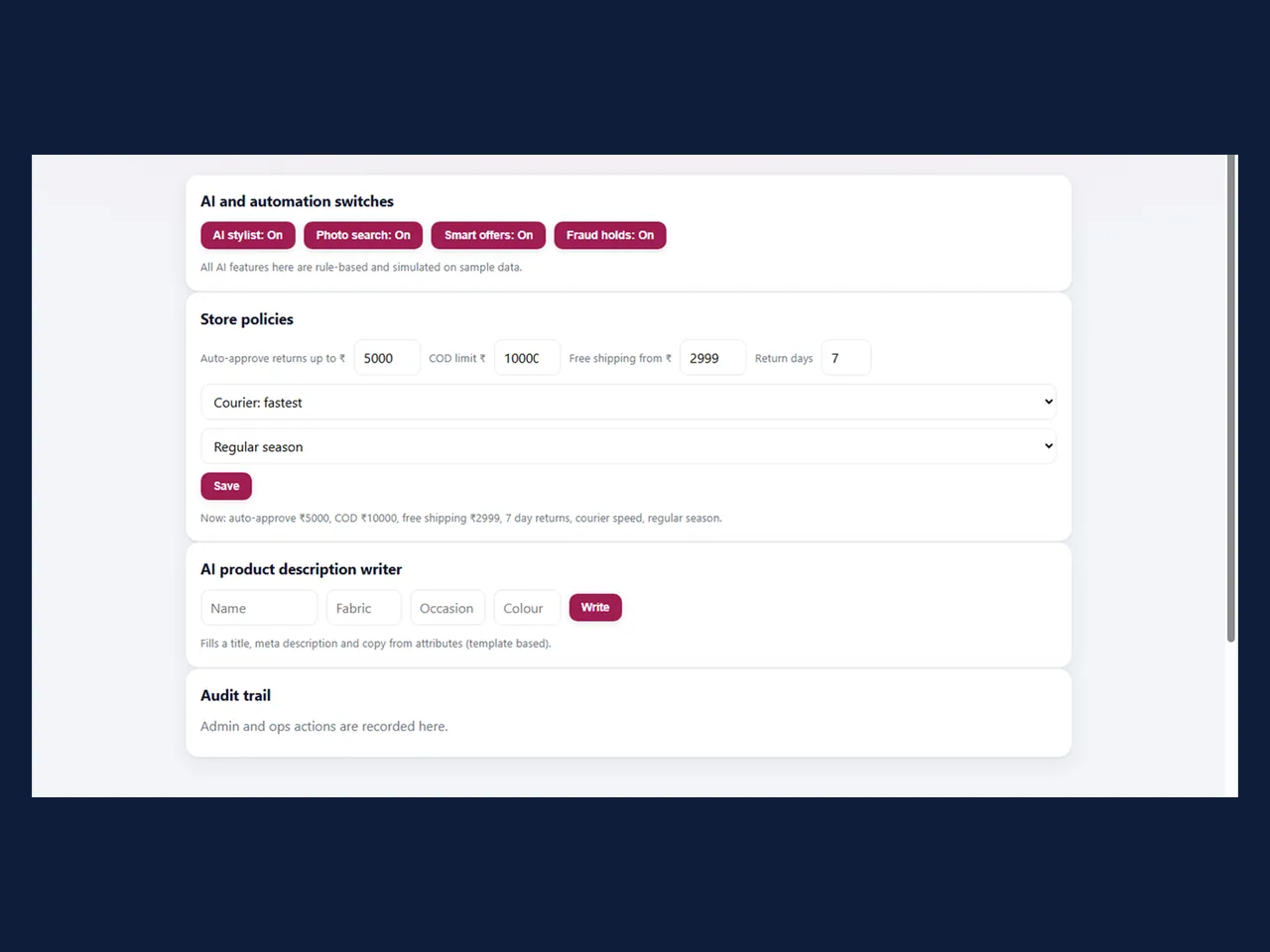
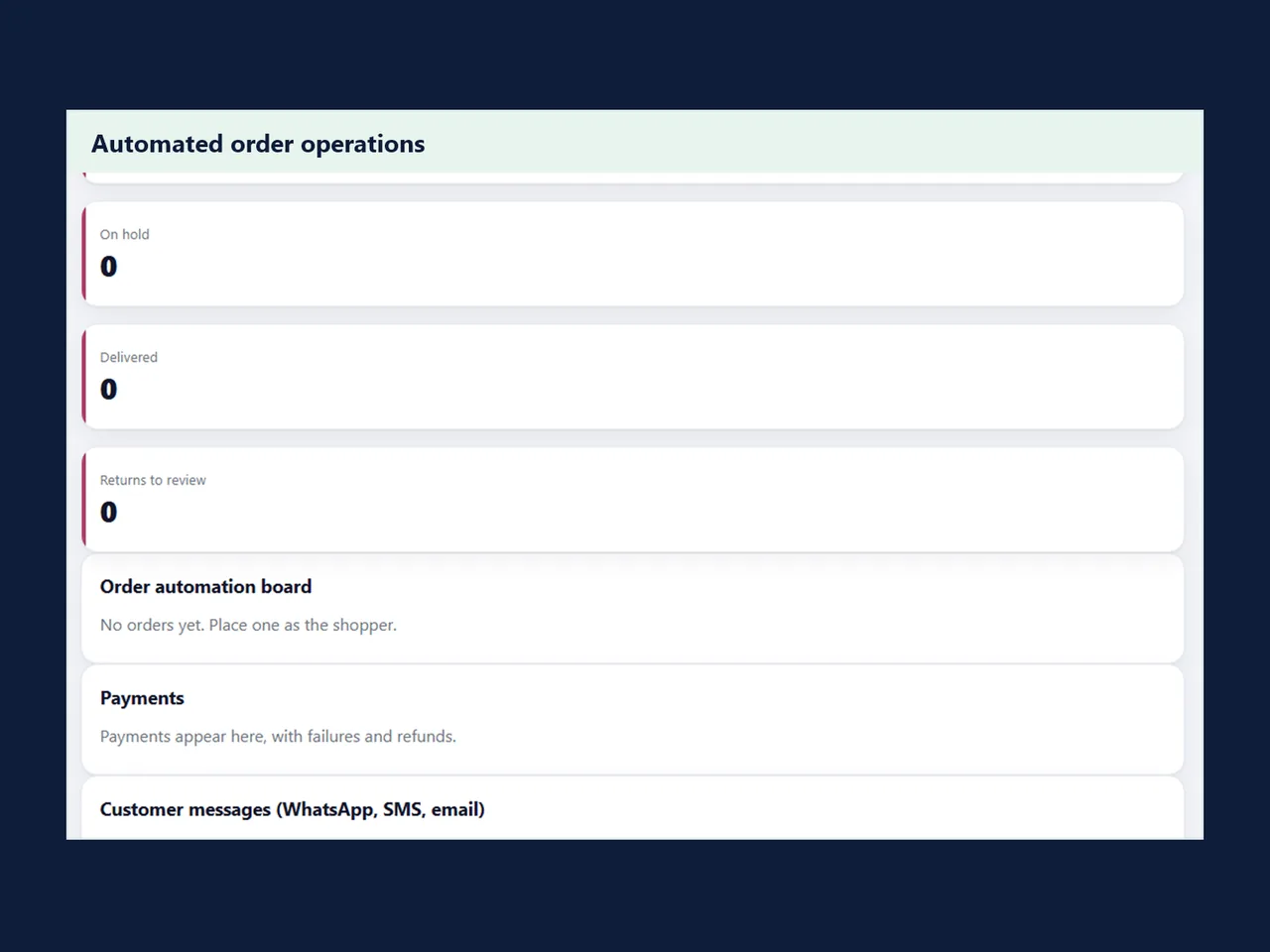
Custom workflows and headless architecture sit in one admin, connected to SAP, Oracle, Microsoft Dynamics and Odoo ERPs, so the team stops re-typing orders and stock.
See what works
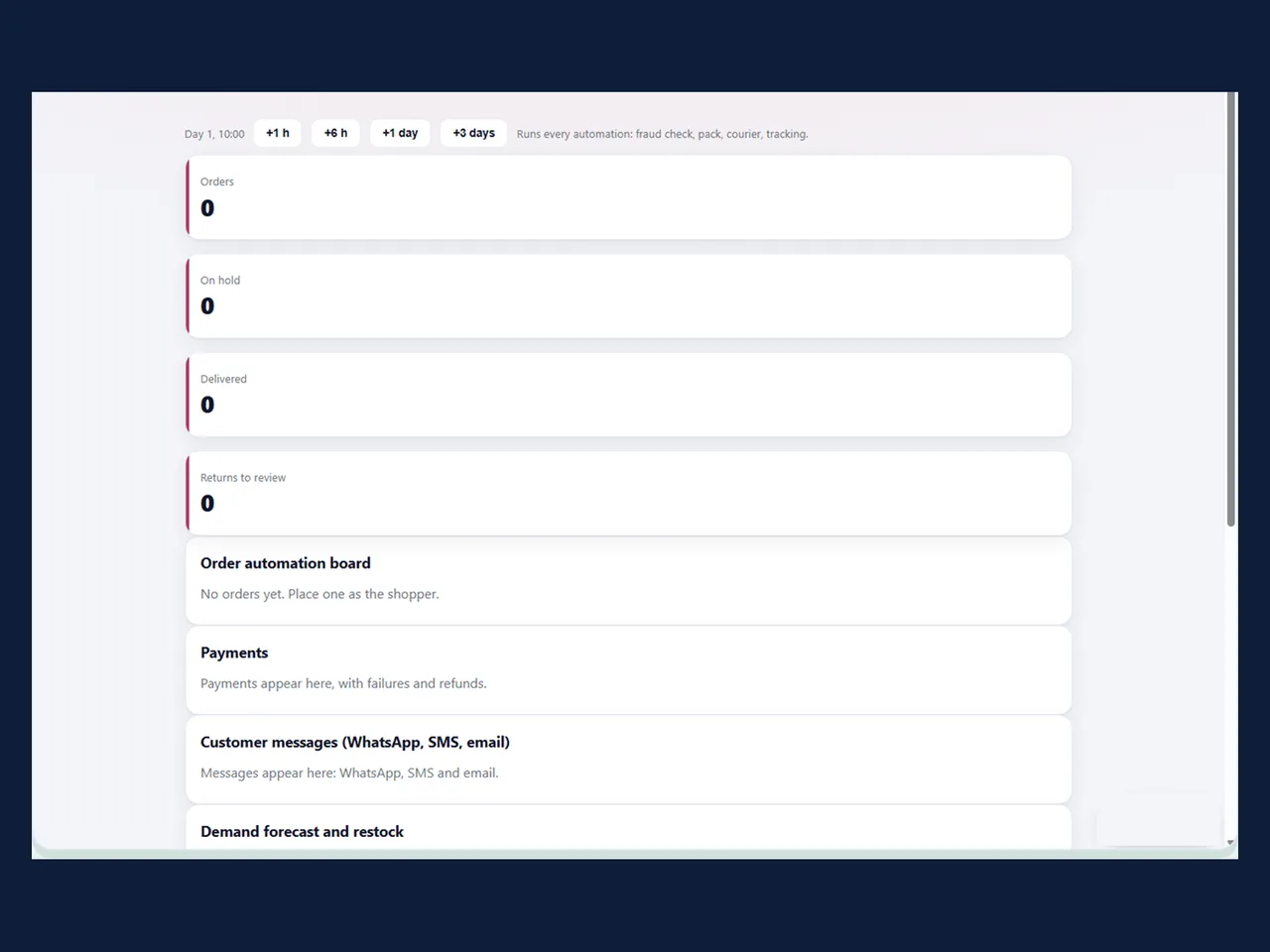
A live dashboard tracks page load and API response times, uptime and order-sync accuracy, so Samba decisions on stock, offers and spend come from numbers, not guesses.
Reach customers on their phones
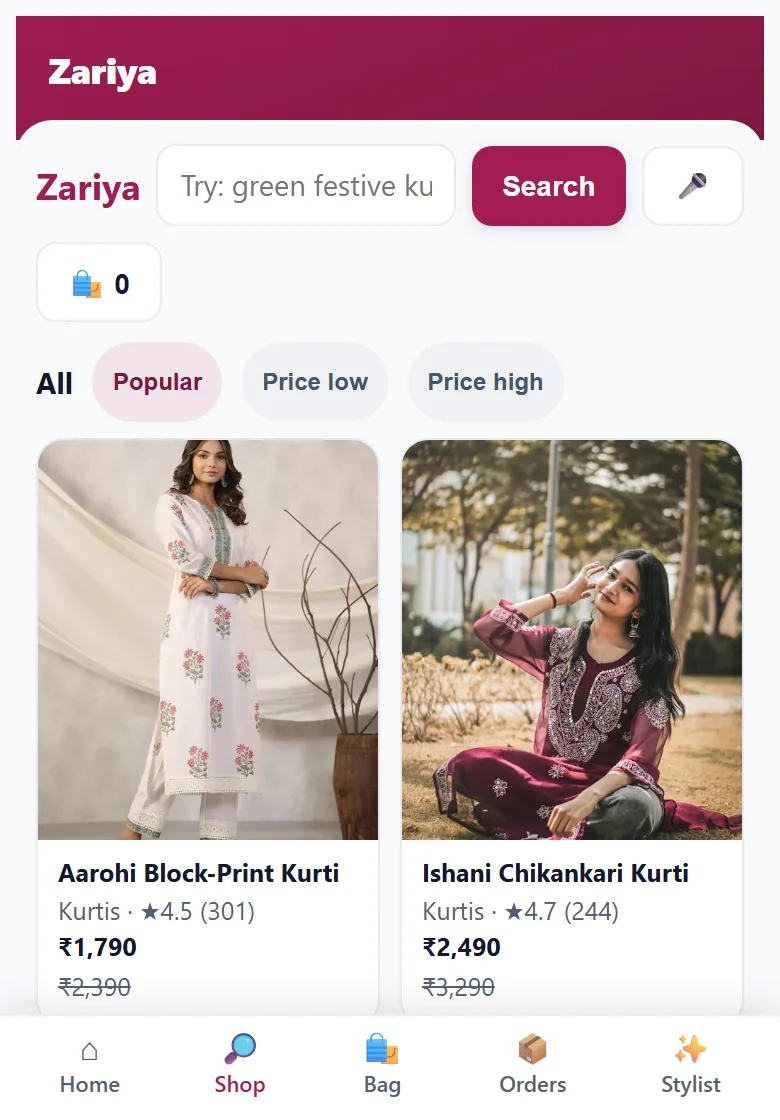
An Android and iOS app on the same backend adds push alerts, saved details and one-tap reorder for repeat buyers in Samba.
Be found by search and AI assistants
Fast pages, product and FAQ schema, a sitemap and direct-answer content let Google and AI assistants read, quote and recommend your custom e-commerce platform when Samba customers ask.
Take orders on WhatsApp and the app
Customers in Samba can start an order from a link, WhatsApp or the mobile app and finish it in one checkout, so no enquiry is lost in a chat thread.
Own the technology
After final payment you receive 100% of the source code, design files and documentation, with a 90-day warranty, so growth never depends on a licence you cannot move.
Businesses that use NNT Mart in Samba
Popular online categories in India include mobiles and electronics, fashion and ethnic wear, beauty and personal care, groceries and FMCG, home and kitchen and B2B industrial supplies. Industrial estate town — which shapes what local businesses need online. In Samba, we most often build custom e-commerce platforms for:
Enterprises with complex catalogues
Catalogue, pricing and fulfilment rules designed for enterprises with complex catalogues in Samba, connected to the systems you already use.
Multi-brand groups
Multi-brand groups get headless architecture plus deep integrations workflows tailored to their operations.
Businesses outgrowing SaaS platforms
We map how businesses outgrowing SaaS platforms sell today and digitise it end to end — from enquiry and order to payment, dispatch and repeat purchase.
Companies migrating legacy stores
For companies migrating legacy stores, we usually start with migration, then add POS and store systems once orders are flowing.
Regulated sectors
Catalogue, pricing and fulfilment rules designed for regulated sectors in Samba, connected to the systems you already use.
High-traffic retailers
High-traffic retailers get performance and security plus headless architecture workflows tailored to their operations.
Checkout and payment methods for Samba
A custom e-commerce platform for Samba must support the way people here actually pay: UPI (Google Pay, PhonePe, Paytm), RuPay, Visa and Mastercard cards, net banking, cash on delivery, EMI and cardless EMI and wallets and UPI AutoPay for subscriptions.
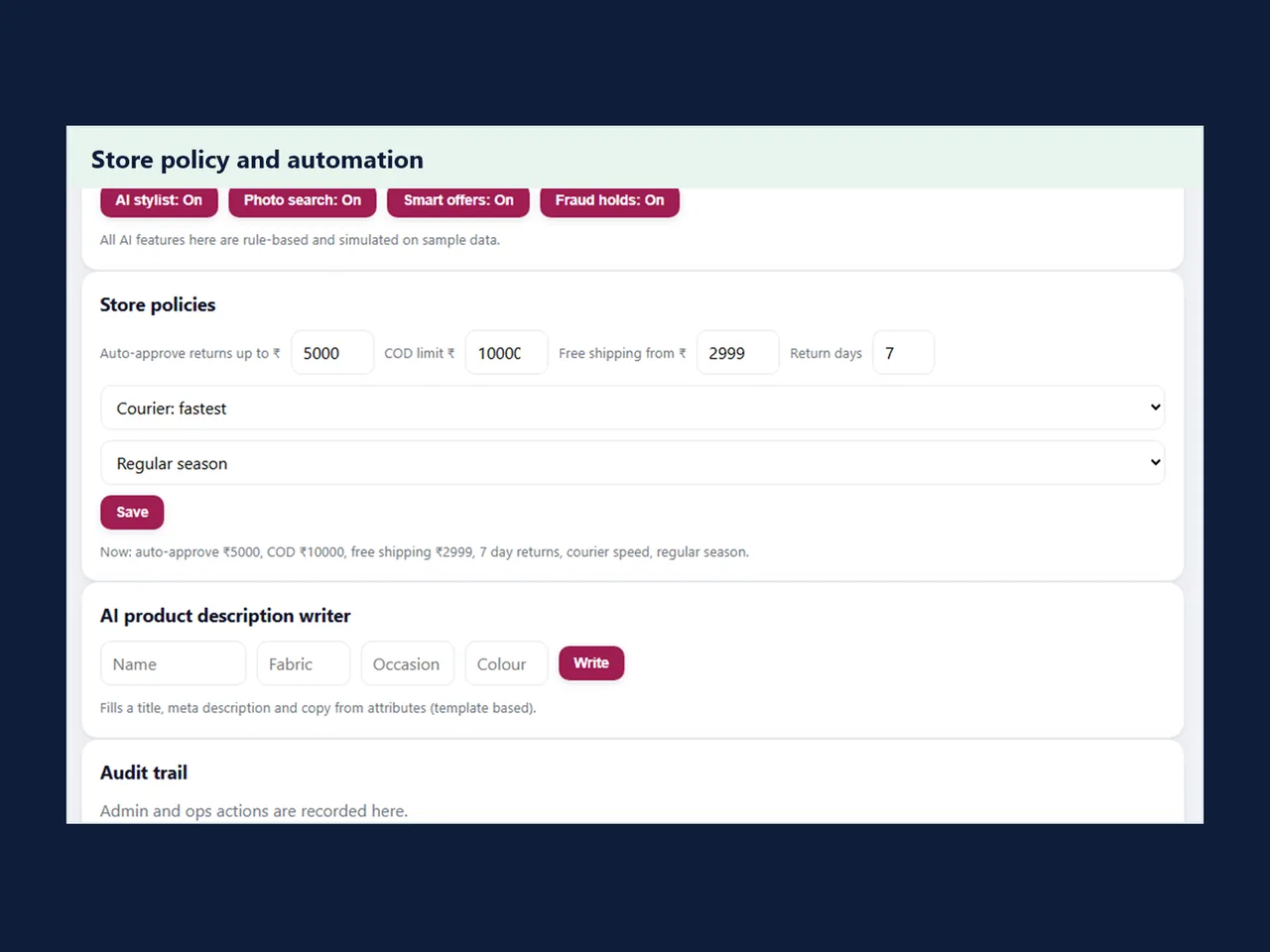
Provider approval, settlement time and fees differ by business type, so we shortlist gateways with you, then wire up status updates, refunds and reconciliation in INR with GST invoices — card details stay with the provider.
- Net banking
- Wallets and UPI AutoPay for subscriptions
- EMI and cardless EMI
- RuPay, Visa and Mastercard cards
- UPI (Google Pay, PhonePe, Paytm)
- Cash on delivery
Shipping, couriers and local delivery in Samba
Your custom e-commerce platform can book shipments and share tracking with Delhivery, Blue Dart, Shiprocket, DTDC, Xpressbees, Ecom Express and India Post, or route orders to your own riders and stores across Samba.
Delivery rules can price by distance, weight, postcode or zone, offer same-day slots in dense areas, and switch on pickup points or click-and-collect where customers prefer them.
Samba sellers: marketplace plus your own store
Selling in Samba through Amazon.in, Flipkart and Meesho gets you reach quickly, yet the buyer belongs to the platform, not to you.
Your custom e-commerce platform becomes the hub: marketplaces and social shops become extra outlets fed from one catalogue, while repeat customers buy directly from you at better margins.
Rules Samba sellers must respect online
Tax basics: India levies GST, rationalised in September 2025 into main slabs of 5% and 18% with a 40% rate for select goods; e-commerce operators collect TCS, and e-invoicing and e-way bills apply above set thresholds.
Businesses registered in Jammu and Kashmir carry GST state code 01 in their GSTIN, and intra-state sales are billed as CGST + SGST while sales to other states are billed as IGST.
Customer data is handled with the Digital Personal Data Protection Act 2023 and the DPDP Rules 2025, alongside the IT Act 2000 in mind, and the storefront follows the Consumer Protection (E-Commerce) Rules 2020, which require seller details, country of origin, grievance officers and clear return and refund policies, plus the Legal Metrology rules on product labelling.
We build the technical controls — tax-inclusive pricing, compliant invoices, consent banners, terms and return pages, data-access roles and audit logs. We are not a law firm, so final legal and tax positions should be confirmed with your own adviser in Jammu and Kashmir.
Android and iOS apps for your Samba business
Because the platform is API-first, customer, staff and partner mobile apps can be added at any point without rebuilding the backend.
If you are looking for ecommerce app development in Samba, the Android and iOS shopping app is built on the same backend as your store, in Flutter or native code, and ecommerce mobile app cost is quoted per screen and integration after the requirements meeting.
Apps are published under your own developer accounts and share the same backend as your custom e-commerce platform, so offers, stock and orders are always consistent between web and mobile.
Order alerts, offers and abandoned-cart reminders go out on Samba time (UTC+5:30), in Kashmiri and Dogri if you want.
- BI and data warehouses
- POS and store systems
- Search engines (Elasticsearch, Algolia)
- Identity and SSO
- Cloud platforms (AWS, Azure, GCP)
- PIM and DAM
- SAP, Oracle, Microsoft Dynamics and Odoo ERPs
- WMS and 3PL systems
Integrations above are examples; we connect any system that offers a suitable API, database access or approved import and export process.
From first demo to growth in Samba
We launch the journeys that create value first, then add depth. A typical roadmap for a custom e-commerce platform in Samba:
| Phase | What goes live |
|---|---|
| Foundation | Architecture, core commerce, priority integrations and migration. Configured for INR, UPI (Google Pay, PhonePe, Paytm) and Delhivery from the start. |
| Differentiate | Custom workflows, configurators and automation. |
| Optimise | Performance, new channels, apps and continuous enhancement. Reviewed against how Samba customers actually buy. |
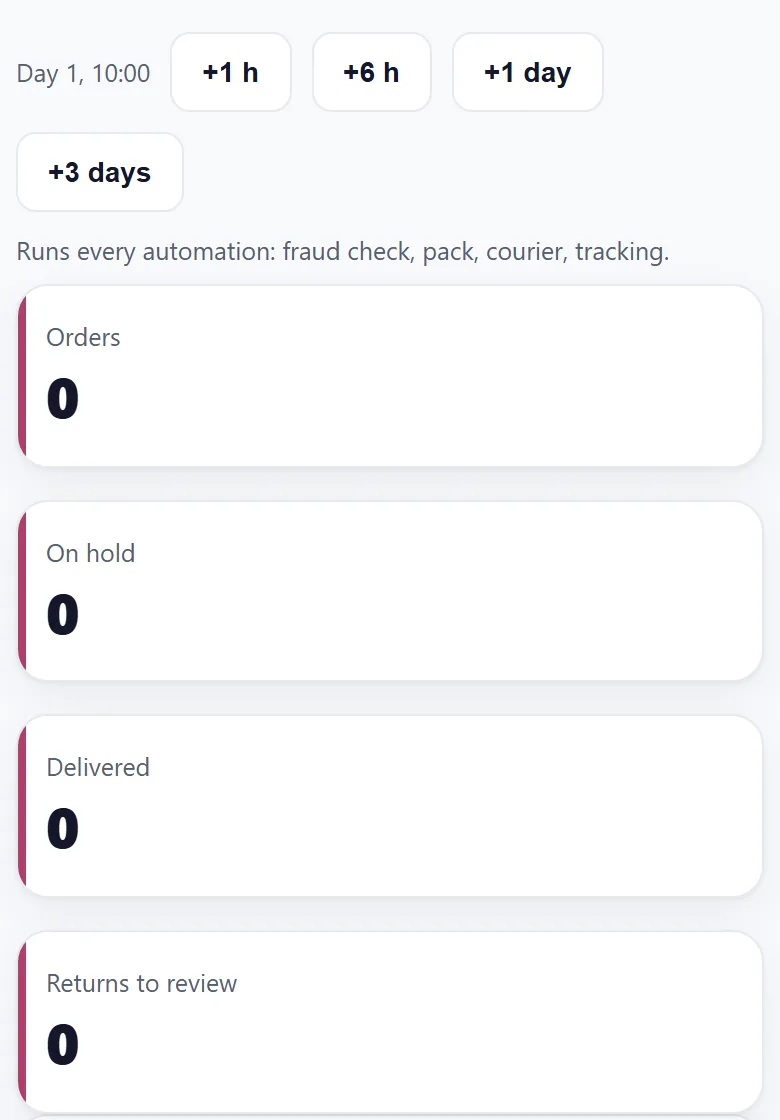
Success is measured on page load and API response times, uptime, order-sync accuracy, manual-work hours saved, release frequency and total cost of ownership — tracked on a dashboard you can see from launch day.
Working with our team from Samba
Samba runs on UTC+5:30, the same clock as our engineering team in India. With three 8-hour shifts we are available 24×7, so meetings, demos and urgent fixes happen in your working hours.
We work in English and can deliver storefront content in Kashmiri, Dogri and Urdu. NDAs are signed on request, and you get a named project lead plus direct access to the engineers building your custom e-commerce platform.
Our head office is in Chhapi, Gujarat, with an office in Hyderabad and representation in Nigeria, South Africa, Ethiopia and Zambia; Samba clients are served remotely with on-site workshops when the project needs them.