Why Sucre businesses are investing in international and multi-region stores
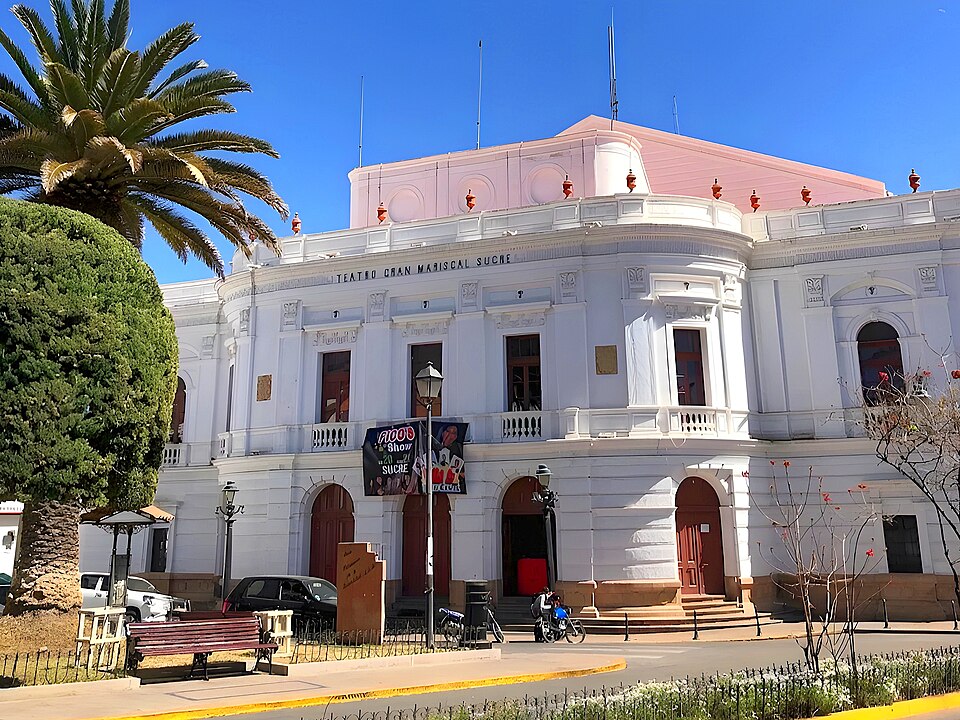
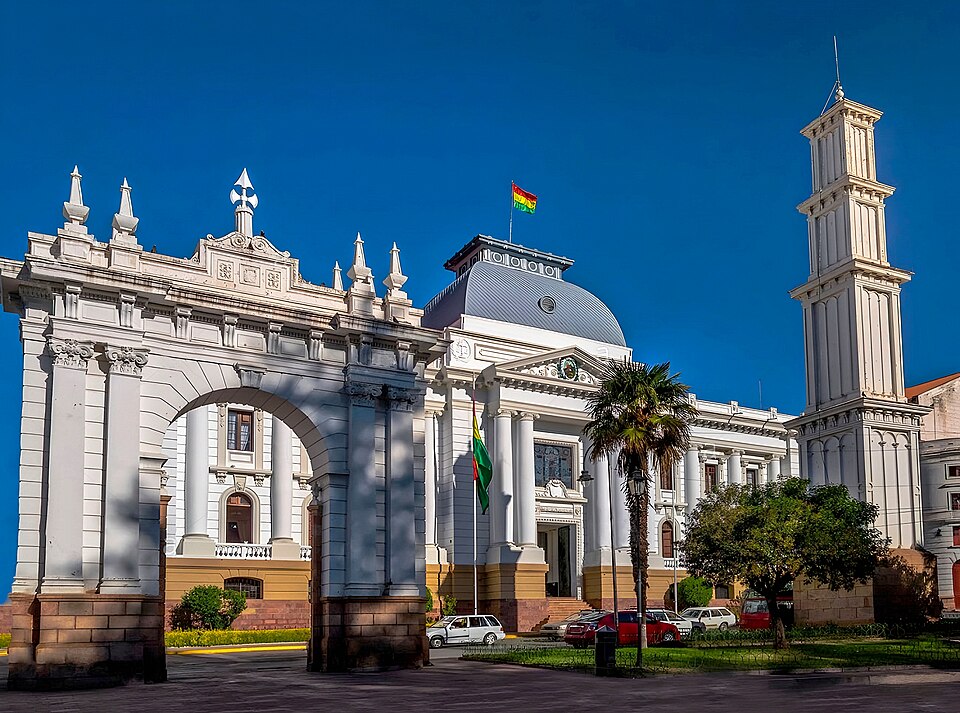
Sucre is a capital city in chuquisaca department, bolivia, where around 361,000 people live and shop, and one of the markets in Bolivia where we build international and multi-region stores.
Key sectors include cement, mining services, education and tourism, with business districts such as the central plaza and the Parque Bolívar area.
Logistics are supported by Juana Azurduy de Padilla Airport, which matters when you promise customers fast delivery.
Bolivia’s young population is moving to QR payments and Facebook-led commerce, while its quinoa, textile and craft sellers see export demand. Spanish storefronts with Quechua and Aymara flexibility serve local buyers.
That is why more companies in Sucre are moving from phone, WhatsApp and spreadsheet orders to a proper international e-commerce platform — one place where products, prices, payments, orders and customers are managed together.
Local details we build into every Sucre project
A store that works in Sucre respects local habits as well as local law. These are the details we configure first.
Currency and pricing
The store speaks Bolivian boliviano: BOB amounts from product page to invoice, so Sucre buyers never convert in their heads.
Language and content
Storefront copy, product pages and emails can run in Spanish, Quechua and Aymara, with local date and number formats.
Local trust signals
Badges for QR Simple and Tigo Money, Correos de Bolivia delivery and clear return terms reassure first-time buyers in Sucre.
Domain, phone and contact
Using .bo where it suits you signals a local business to shoppers and search engines. Contact buttons are pre-set with +591, so a customer in Sucre taps once to call or message.
Talent and partners nearby
Sucre draws on Universidad San Francisco Xavier de Chuquisaca, which means plenty of local staff, interns and technology partners to run the store after launch.
Custom-built for how you sell in Sucre
If you run a business in Sucre and want to sell online, we build an e-commerce platform and mobile application to your exact requirements, from the first product page to the last delivery update.
In Sucre we typically work with exporters, D2C brands expanding abroad, manufacturers selling to distributors overseas and diaspora-focused retailers, and with sellers in categories such as fashion and textiles, electronics, food and quinoa and handicrafts that have strong online demand in Bolivia.
We start with a requirements meeting, show you a working demo within 24 hours, and only then propose scope, milestones and budget.
Core modules we build for Sucre clients
Each module below is configured — or custom-developed — to your requirements. You choose what launches first and what follows in later phases.
Regional storefronts
Country or region sites with local language, content, currency, promotions and hreflang SEO. Delivery can be booked through Correos de Bolivia, DHL and Yango or dispatched by your own riders around Sucre.
Local payments
Market-specific cards, wallets, bank transfers, BNPL and cash methods through suitable providers. Stock can be held in Sucre or anywhere in Bolivia, with pickup and local-delivery options where they make sense.
Tax and duties
VAT, GST and sales-tax rules, tax-inclusive pricing, duties and landed-cost estimates where needed. Revenue reports by product, repeat buyer and delivery area of Sucre guide stock and marketing decisions.
Cross-border shipping
International couriers, regional warehouses, shipping zones, customs documents and returns. Storefront language, imagery and navigation are set up for Sucre shoppers and available in Spanish and Quechua.
Compliance pages
Market-appropriate privacy notices, cookie consent, consumer terms and accessibility considerations. Product data imports from your existing sheets or ERP, so Sucre teams do not re-type thousands of items.
Regional reporting
Sales, margin, conversion and marketing performance by country and currency. Payment steps are built around QR Simple, Tigo Money and bank transfer, the options shoppers here already trust.
Who we build for in Sucre
Popular online categories in Bolivia include fashion and textiles, electronics, food and quinoa, handicrafts, cosmetics and auto parts. Local demand in Sucre is shaped by cement, mining services, education and tourism, so we often design catalogues and B2B ordering around those sectors. In Sucre, we most often build international and multi-region stores for:
Exporters
Catalogue, pricing and fulfilment rules designed for exporters in Sucre, connected to the systems you already use.
D2C brands expanding abroad
D2C brands expanding abroad get local payments plus cross-border shipping workflows tailored to their operations.
Manufacturers selling to distributors overseas
We map how manufacturers selling to distributors overseas sell today and digitise it end to end — from enquiry and order to payment, dispatch and repeat purchase.
Diaspora-focused retailers
For diaspora-focused retailers, we usually start with compliance pages, then add translation management once orders are flowing.
Tourism and gifting businesses
Catalogue, pricing and fulfilment rules designed for tourism and gifting businesses in Sucre, connected to the systems you already use.
Multi-country retail groups
Multi-country retail groups get regional reporting plus local payments workflows tailored to their operations.
Payments customers in Sucre expect
Shoppers in Sucre rarely abandon a cart over price alone — they leave when their usual method is missing. Here that means QR Simple, Tigo Money and bank transfer, then cash on delivery, Visa and Mastercard and BCP and Banco Unión apps.
We integrate suitable gateways and providers for your business category and merchant eligibility, handle payment status, failed-payment retries and refunds, and keep sensitive card data with the provider rather than on your servers. All amounts are shown in Bolivian boliviano (BOB).
For Sucre customers ordering from the central plaza and the Parque Bolívar area, cash-on-delivery and pay-on-pickup rules can be set per delivery zone.
- Visa and Mastercard
- QR Simple
- BCP and Banco Unión apps
- Cash on delivery
- Bank transfer
- Tigo Money
Fulfilment options for Sucre orders
Your international e-commerce platform can book shipments and share tracking with Correos de Bolivia, DHL, Yango, Flota-based parcels, Local moto-couriers and Andesmar, or route orders to your own riders and stores across Sucre.
Delivery rules can price by distance, weight, postcode or zone, offer same-day slots in dense areas, and switch on pickup points or click-and-collect where customers prefer them.
Connectivity in the area — Juana Azurduy de Padilla Airport — makes regional and national dispatch from Sucre practical.
Marketplaces vs. your own international e-commerce platform in Sucre
MercadoLibre Bolivia, Facebook Marketplace and Yaigo are where many shoppers in Sucre start, which is why sellers list there. The trade-off is commission, limited branding and rules the platform can change overnight.
NNT Mart gives you a channel you own: your domain, your customer list, your pricing and your brand. Where it helps, we connect product feeds and orders from marketplaces so stock stays in sync and your team works from one dashboard.
Selling online legally in Bolivia
Bolivia charges 13% VAT (IVA) and 3% transactions tax (IT); electronic invoicing (SIAT) is required for registered taxpayers.
On privacy we design around constitutional habeas-data rights and the Telecommunications and ICT Law, with a general data law under discussion; on consumer rights the store reflects the General Law of Consumer and User Rights (Ley 453).
Controls we implement include compliant invoices, consent capture, policy pages, restricted staff access and audit trails. Please confirm the final legal and tax position with a local adviser in Sucre.
Android and iOS apps for your Sucre business
In Sucre, shoppers browse on phones first. Region-aware mobile apps can switch language, currency and payment options automatically while sharing one codebase and backend.
Apps are published under your own developer accounts and share the same backend as your international e-commerce platform, so offers, stock and orders are always consistent between web and mobile.
Push notifications can be timed to UTC−4 so offers reach Sucre customers when they are awake, and the interface can run in Spanish and Quechua.
- Tax engines
- International couriers and 3PLs
- Translation management
- Regional analytics
- Marketplace feeds by country
- ERP and accounting
- Geo-IP and consent platforms
- Multi-currency payment providers
Integrations above are examples; we connect any system that offers a suitable API, database access or approved import and export process.
How we phase your international e-commerce platform
We launch the journeys that create value first, then add depth. A typical roadmap for an international e-commerce platform in Sucre:
| Phase | What goes live |
|---|---|
| First market | One new region with language, currency, payments, tax and shipping. Configured for BOB, QR Simple and Correos de Bolivia from the start. |
| Multi-region | Additional countries, local promotions and marketplace feeds. |
| Optimise | Regional apps, warehouses and localisation improvements. Reviewed against how Sucre customers actually buy. |
We track conversion by country, international order share, checkout completion by payment method, delivery time by region, return rate abroad and margin after duties and shipping on a live dashboard from day one, so Sucre results are visible, not promised.
Working with our team from Sucre
Sucre runs on UTC−4, which is 9h 30m behind India (IST). With three 8-hour shifts we are available 24×7, so meetings, demos and urgent fixes happen in your working hours.
Project communication is in English; storefront content can be produced in Guarani, Quechua and Aymara. You get a named lead, direct engineer access and an NDA if you ask.
Our head office is in Chhapi, Gujarat, with an office in Hyderabad and representation in Nigeria, South Africa, Ethiopia and Zambia; Sucre clients are served remotely with on-site workshops when the project needs them.