
Why Kabul businesses are investing in manufacturer and distributor portals
Kabul is a capital and the largest city of afghanistan, home to about 5.3 million people, and one of the markets in Afghanistan where we build manufacturer and distributor portals.
Key sectors include trade, services, construction and telecoms, with business districts such as Shahr-e Naw, Wazir Akbar Khan and the Mandawi bazaar.
Logistics are supported by Hamid Karzai International Airport and the Kabul–Jalalabad road, which matters when you promise customers fast delivery.
Afghanistan’s commerce is cash-based with growing mobile-money and Telegram selling. Banking restrictions limit card payments, so stores need cash-on-delivery and local wallet options.
Shoppers and trade buyers in Kabul already compare options on their phones; a manufacturer and dealer portal that loads fast, shows accurate stock and accepts cash on delivery turns that research into orders.
Why going digital matters for a business in Kabul
In Afghanistan, buying starts on a phone: shoppers search, compare on Facebook Marketplace and Telegram shops and pay with cash on delivery and mobile money (M-Paisa, HesabPay). Kabul alone has about 5.3 million people, and a business without its own manufacturer and dealer portal hands those orders to whoever is easier to buy from.
Orders taken by phone, WhatsApp or spreadsheet cost real money: stock goes wrong, payments are chased by hand and sales stop when the shop closes. Food and dried fruit, carpets and crafts and electronics are among the strongest online categories in Afghanistan, so the demand is already there to capture.
It is also a compliance move. Tax-ready invoices and records, and customer data handled under there is no comprehensive data-protection law, are far easier to keep right in one system than across notebooks and chat threads.
| Area | Offline and chat orders | With your own manufacturer and dealer portal in Kabul |
|---|---|---|
| Orders | Phone, WhatsApp, spreadsheets; open only in shop hours | Taken 24 hours a day, tracked end to end |
| Payments | Cash and manual follow-up | Cash on delivery and mobile money (M-Paisa, HesabPay) and other local methods at checkout |
| Reach | Walk-ins and word of mouth | Search, social, Facebook Marketplace and Telegram shops and a link anyone can share |
| Records | Paper and chat history | Tax invoices, customer and stock data in one place |
What makes a Kabul store feel local
A store that works in Kabul respects local habits as well as local law. These are the details we configure first.
Currency and pricing
Prices, taxes, shipping and refunds are shown in Afghan afghani (AFN), formatted the way Kabul customers read them.
Language and content
Storefront copy, product pages and emails can run in Dari, Pashto and English, with local date and number formats.
Local trust signals
Trust is local: familiar names such as cash on delivery and mobile money (M-Paisa, HesabPay) and Afghan Post sit next to the buy button.
Domain, phone and contact
A .af domain (or your own) builds local trust and search relevance. Contact buttons are pre-set with +93, so a customer in Kabul taps once to call or message.
Talent and partners nearby
With Kabul University and Kabul Polytechnic University close by, finding people to manage catalogues, content and support after launch is realistic in Kabul.
Designed to your requirements, not a template
Whatever your business sells in Kabul, N&T Software designs and develops the manufacturer and dealer portal and the matching mobile app exactly to your requirements — your catalogue, your prices, your payment and delivery rules.
In Kabul we typically work with machinery and equipment manufacturers, engineering component makers, electrical and automation brands and building-material manufacturers, and with sellers in categories such as food and dried fruit, carpets and crafts, electronics and fashion that have strong online demand in Afghanistan.
We start with a requirements meeting, show you a working demo within 24 hours, and only then propose scope, milestones and budget.
What to build first for your Kabul business
Machinery and equipment manufacturers, engineering component makers and electrical and automation brands in Kabul usually get the fastest return by launching the journeys that bring in orders first, then adding depth. The order we recommend:
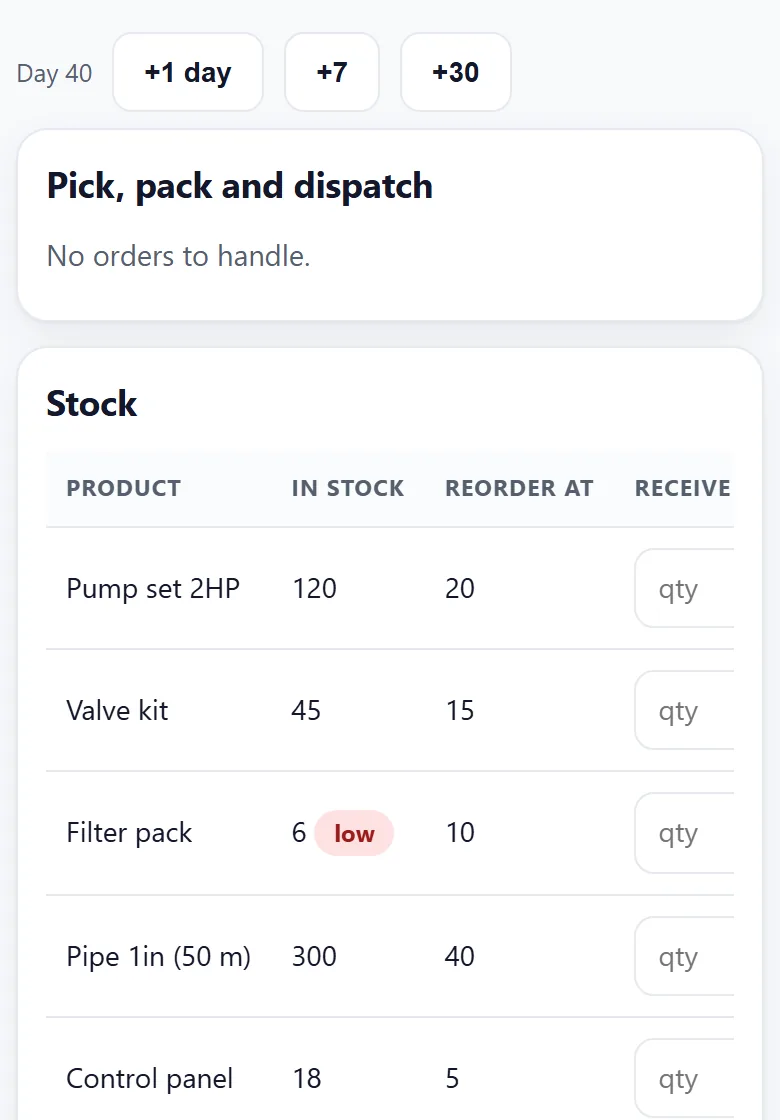
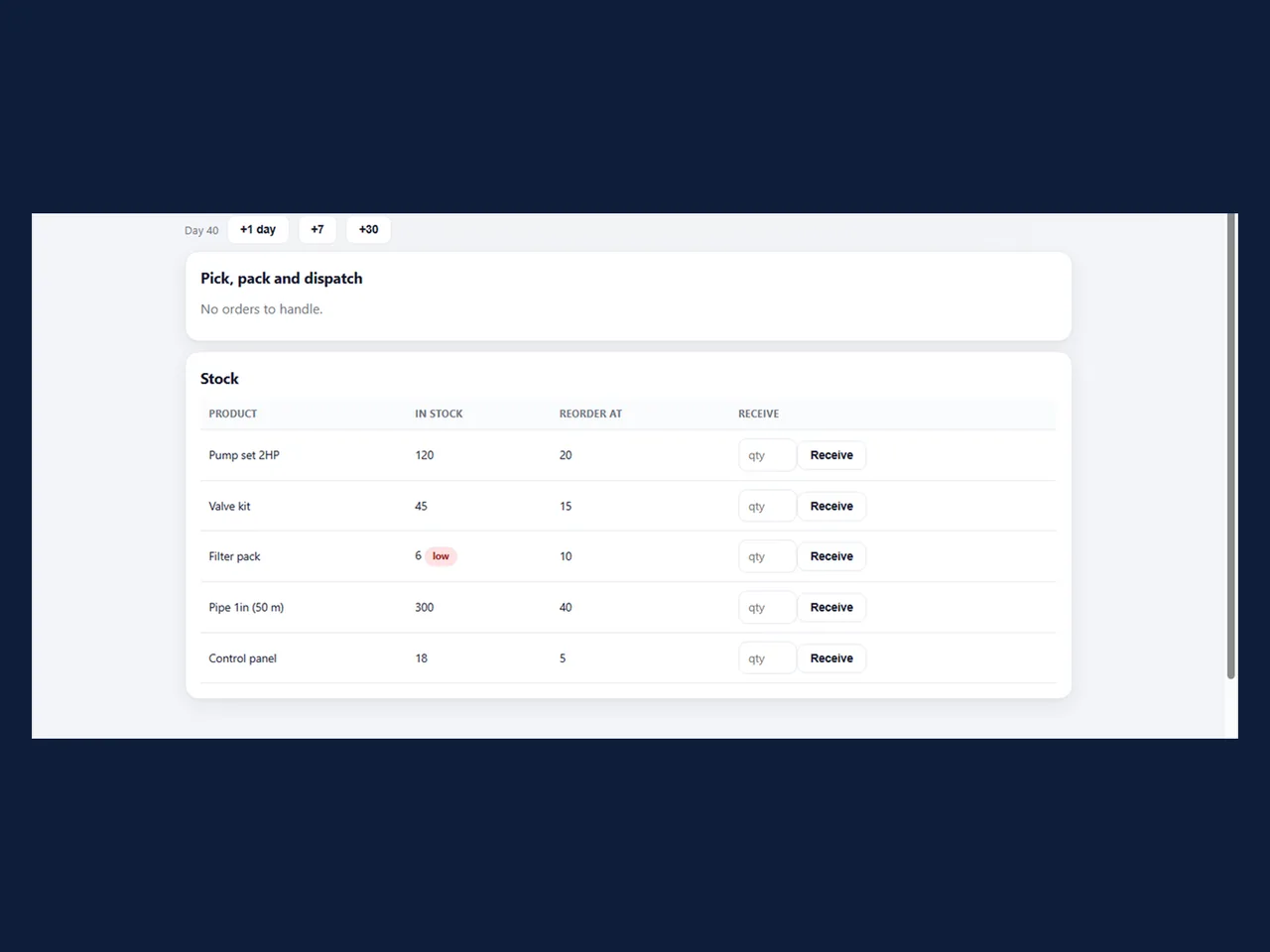
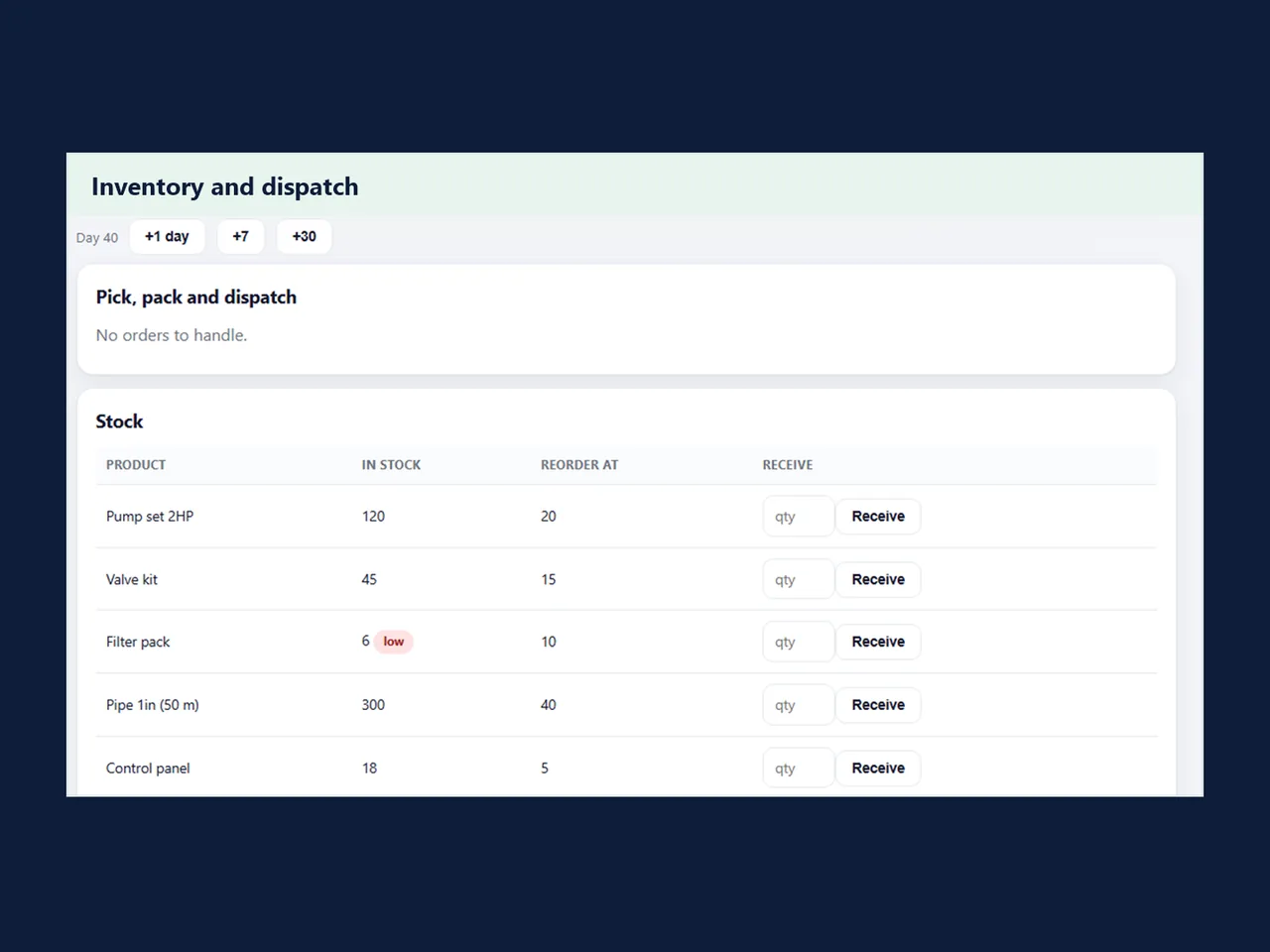
- Catalogue and enquiries: Technical catalogue, documents and RFQ capture with CRM routing. Set up for AFN, cash on delivery and Afghan Post.
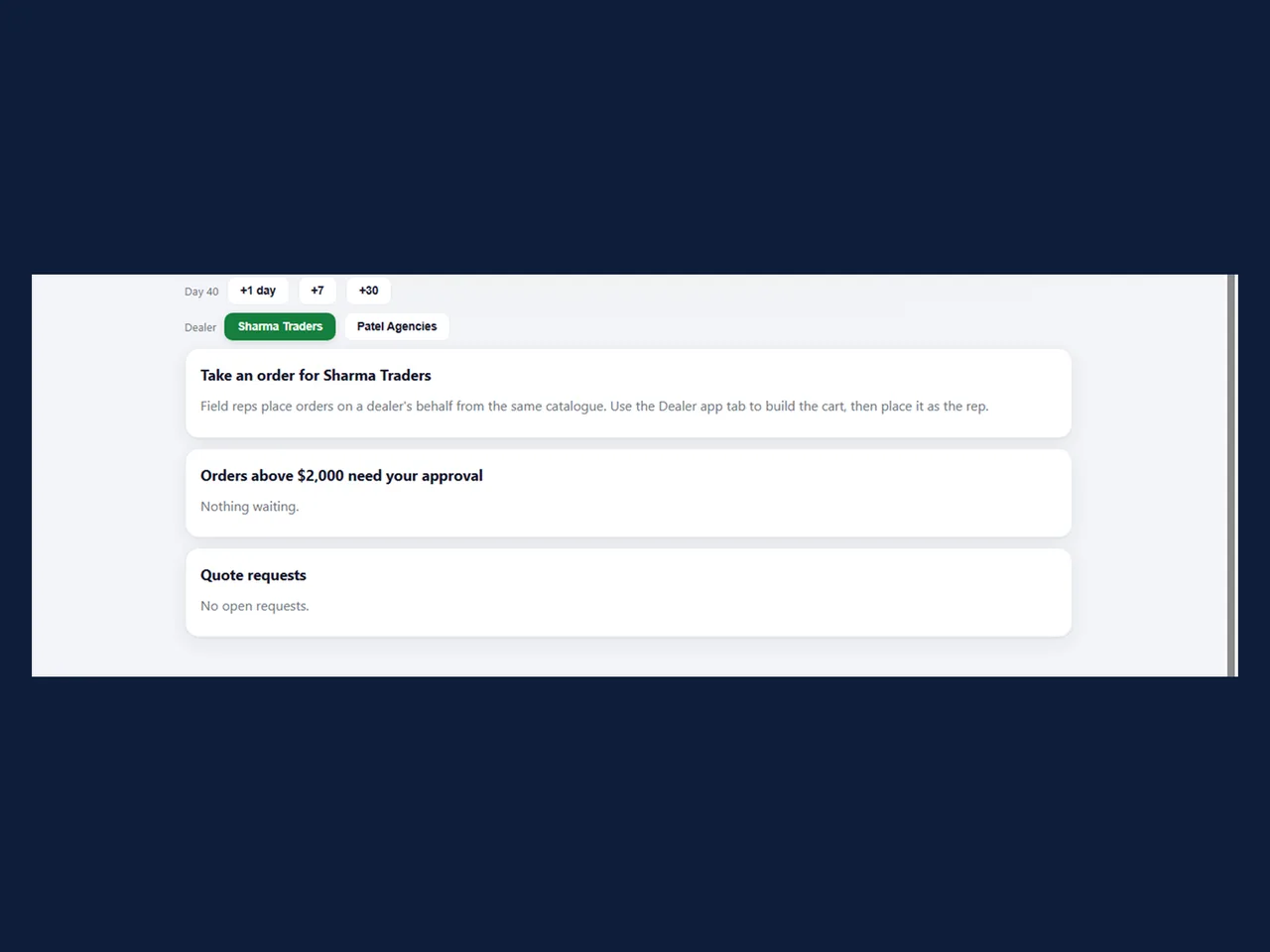
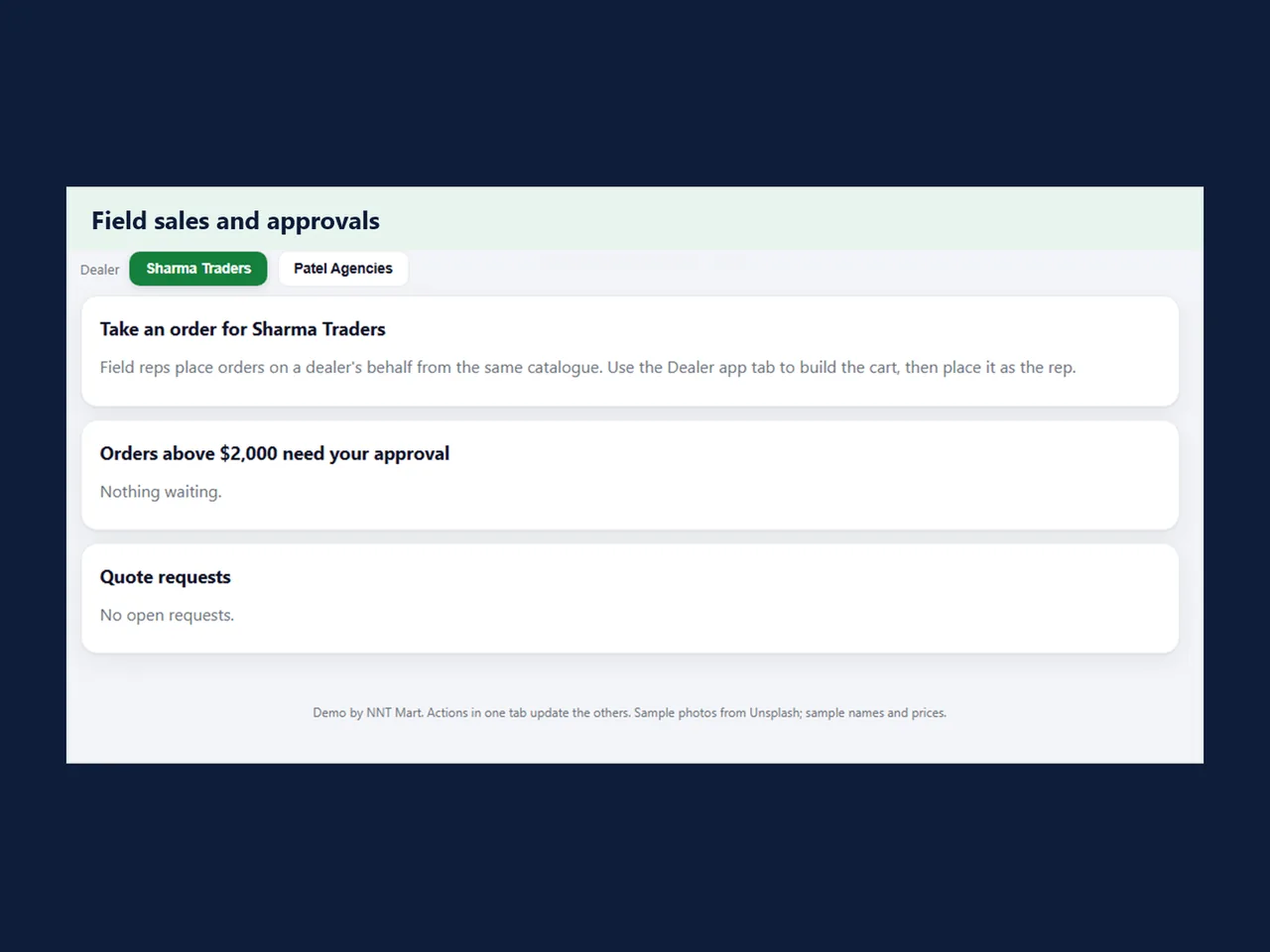
- Partner portal: Dealer sign-in, protected pricing, ordering and ERP sync.
- Service and apps: Spares, warranty, service requests and field apps.
Core modules we build for Kabul clients
Each module below is configured — or custom-developed — to your requirements. You choose what launches first and what follows in later phases.
Technical catalogue
Product families, models, variants, specification tables, comparison and application or industry filters. Payment steps are built around cash on delivery, mobile money (M-Paisa, HesabPay) and hawala money transfer, the options shoppers here already trust.
Document library
Datasheets, manuals, CAD drawings, certificates and price lists with public, registered or partner-only access. Delivery can be booked through Afghan Post, local courier firms and DHL (limited) or dispatched by your own riders around Kabul.
Enquiries and RFQs
Project enquiries, quotation requests, lead routing to the right region and status tracking. Multiple stock points in Afghanistan are supported, so a Kabul order ships from the nearest one.
Partner portal
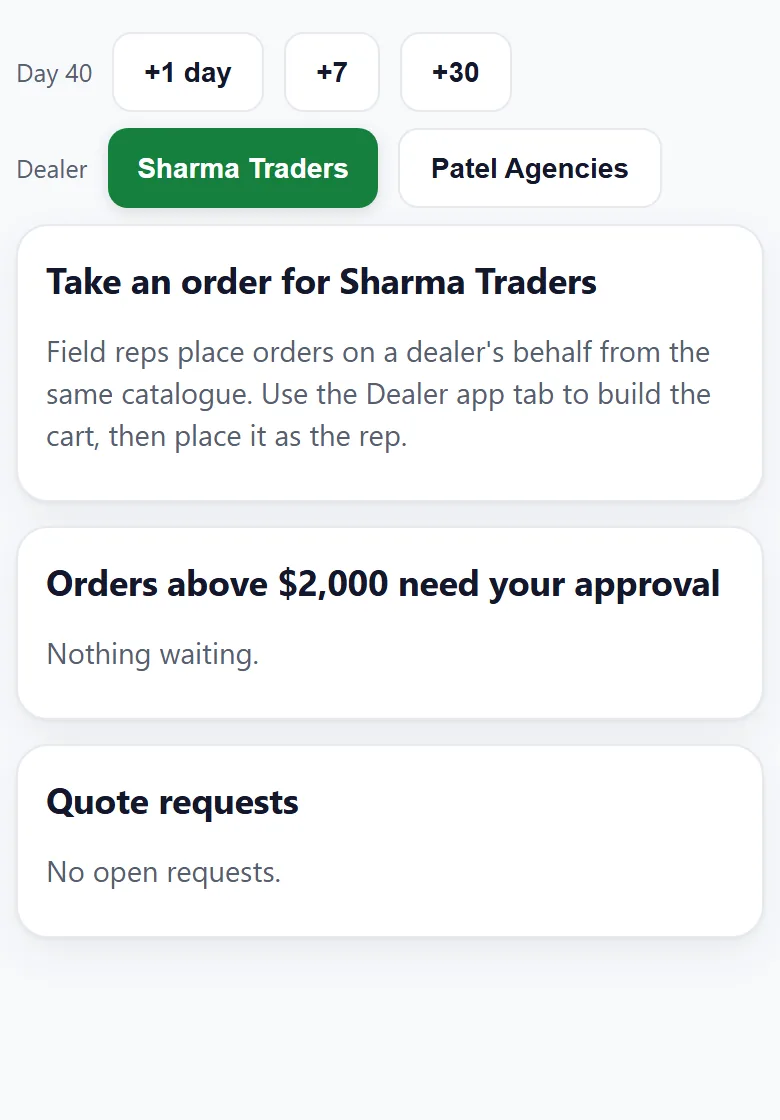
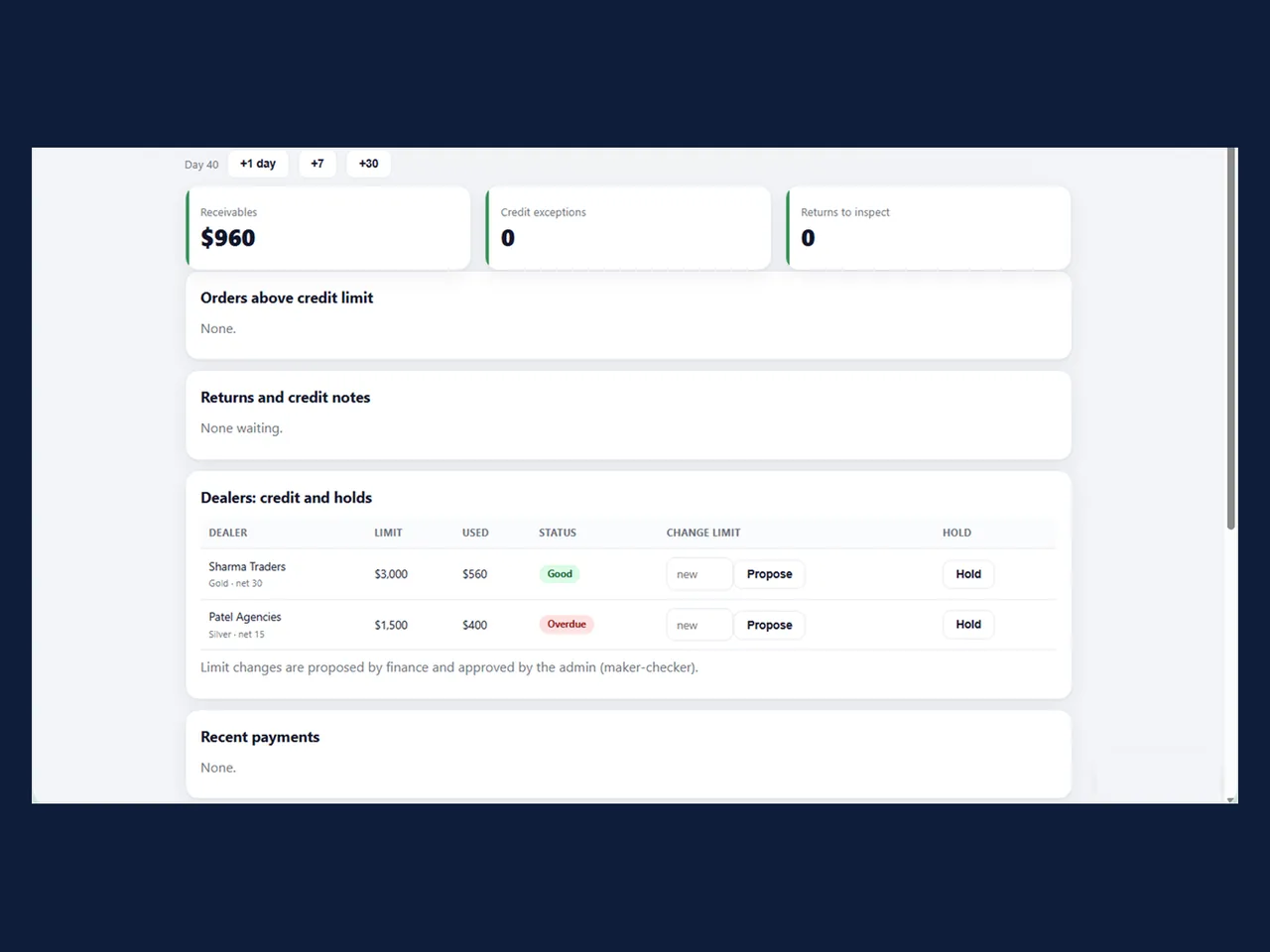
Dealer and distributor sign-in, territory-based catalogues, protected pricing, schemes and targets. Dashboards break sales down by product, customer and neighbourhood of Kabul, so you see what to promote.
Spares and service
Spare-part lookup by model or serial number, accessories, warranty registration and service requests. Content and design can follow how customers in Kabul search and buy, including Dari and Pashto where you need it.
Channel insight
Dashboards for partner orders, secondary sales, product interest and regional demand. Catalogues come in from spreadsheets, ERP exports or supplier feeds, so your Kabul team keeps its current way of working.
What businesses in Kabul ask us for
Businesses in Kabul search for these in different words. Each one is something NNT Mart designs, builds and supports:
Manufacturer ecommerce portal in Kabul
Product families, models, variants, specification tables, comparison and application or industry filters. Built for Kabul: cash on delivery and mobile money payments and Afghan Post delivery.
Distributor management system in Kabul
Datasheets, manuals, CAD drawings, certificates and price lists with public, registered or partner-only access. In Kabul it takes cash on delivery at checkout and ships through Afghan Post.
Dealer portal software in Kabul
Project enquiries, quotation requests, lead routing to the right region and status tracking. For Kabul, prices, tax and invoices are in AFN and tax-ready.
Industrial product catalogue website in Kabul
Dealer and distributor sign-in, territory-based catalogues, protected pricing, schemes and targets. Built for Kabul: cash on delivery and mobile money payments and Afghan Post delivery.
Spare parts ecommerce in Kabul
Spare-part lookup by model or serial number, accessories, warranty registration and service requests. In Kabul it takes cash on delivery at checkout and ships through Afghan Post.
Channel partner portal in Kabul
Dashboards for partner orders, secondary sales, product interest and regional demand. For Kabul, prices, tax and invoices are in AFN and tax-ready.
B2B2C manufacturer platform in Kabul
Product families, models, variants, specification tables, comparison and application or industry filters. Built for Kabul: cash on delivery and mobile money payments and Afghan Post delivery.
Dealer ordering portal in Kabul
Datasheets, manuals, CAD drawings, certificates and price lists with public, registered or partner-only access. In Kabul it takes cash on delivery at checkout and ships through Afghan Post.
The benefits of a manufacturer and dealer portal in Kabul
The gain is practical and measurable:
Keep the customer and the margin
Orders that come through your own manufacturer and dealer portal keep your pricing, brand and customer list, instead of paying commission on Facebook Marketplace and Telegram shops for every sale.
Sell round the clock to Kabul
Customers order and pay at any hour, including evenings and weekends, with cash on delivery and mobile money (M-Paisa, HesabPay) at checkout, so sales no longer depend on shop hours.
Run the business from one place
Technical catalogue and document library sit in one admin, connected to ERP and production planning, so the team stops re-typing orders and stock.
See what works
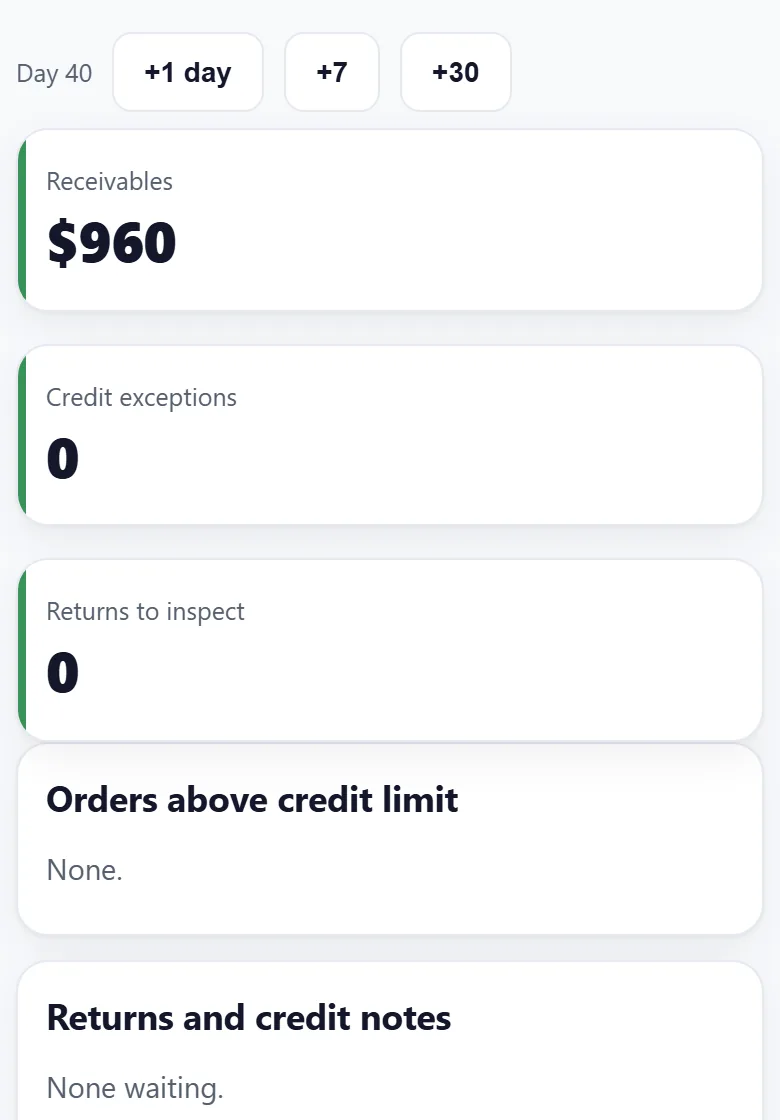
A live dashboard tracks qualified enquiries per month, quote-to-order conversion and dealer portal adoption, so Kabul decisions on stock, offers and spend come from numbers, not guesses.
Reach customers on their phones
An Android and iOS app on the same backend adds push alerts, saved details and one-tap reorder for repeat buyers in Kabul.
Be found by search and AI assistants
Fast pages, product and FAQ schema, a sitemap and direct-answer content let Google and AI assistants read, quote and recommend your manufacturer and dealer portal when Kabul customers ask.
Take orders on WhatsApp and the app
Customers in Kabul can start an order from a link, WhatsApp or the mobile app and finish it in one checkout, so no enquiry is lost in a chat thread.
Own the technology
After final payment you receive 100% of the source code, design files and documentation, with a 90-day warranty, so growth never depends on a licence you cannot move.
Getting paid online in Kabul
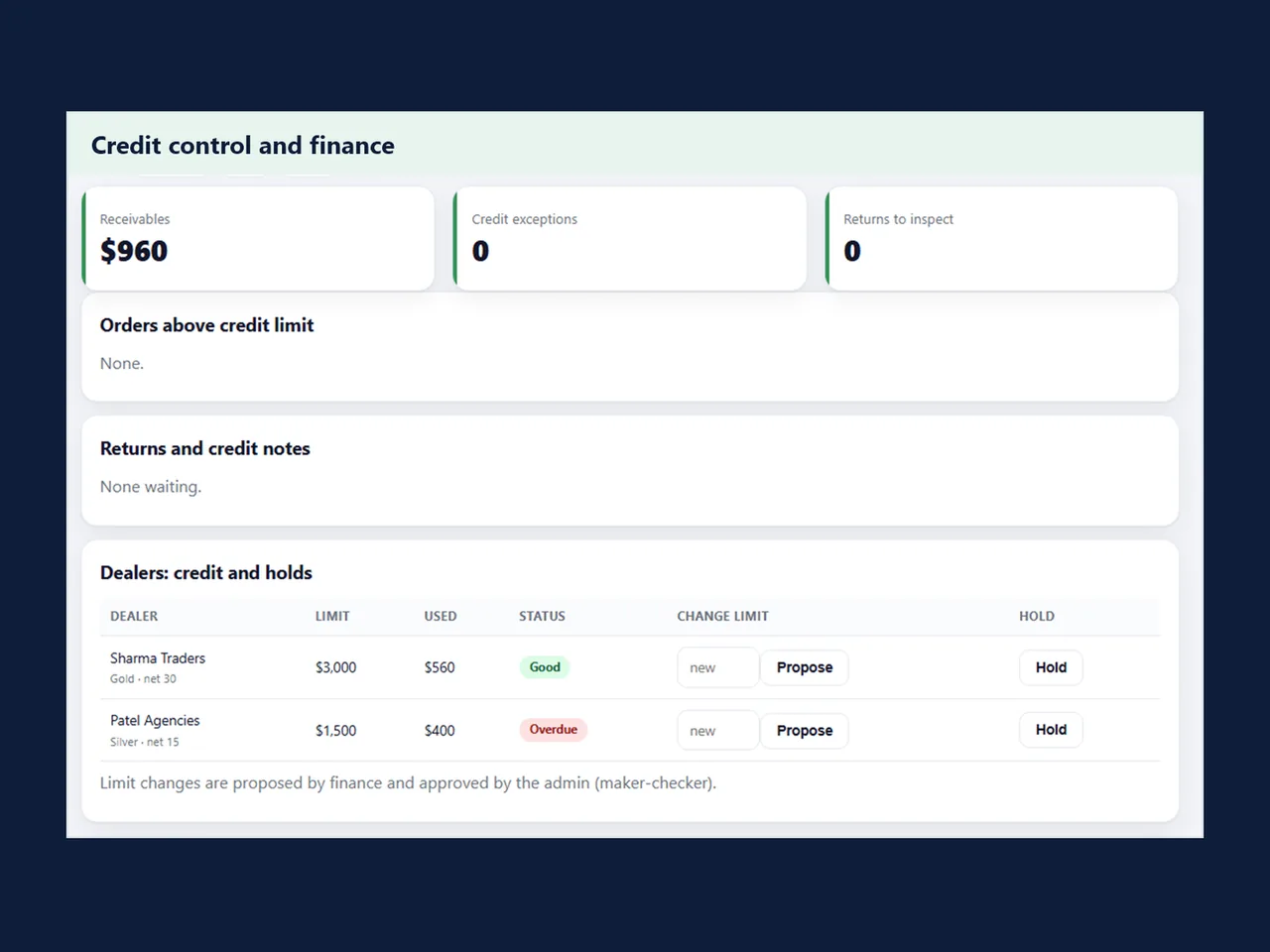
A store that serves Kabul should let customers pay the way they do offline: cash on delivery, mobile money (M-Paisa, HesabPay), hawala money transfer and bank transfer.
Gateway selection depends on your category and merchant approval; we connect the provider, reconcile payments, automate retries and refunds, and never store raw card data. Prices, taxes and refunds appear in Afghan afghani (AFN).
Zone-based payment rules let you offer different options for Shahr-e Naw than for outer parts of Kabul.
- Mobile money (M-Paisa, HesabPay)
- Bank transfer
- Cash on delivery
- Hawala money transfer
- Cash at pickup
Fulfilment options for Kabul orders
Your manufacturer and dealer portal can book shipments and share tracking with Afghan Post, local courier firms, DHL (limited), bus parcel services and in-city motorbike couriers, or route orders to your own riders and stores across Kabul.
We set up shipping zones, cut-off times, free-shipping thresholds, cash-collection rules and returns so the promise on the product page matches what your team can deliver.
Connectivity in the area — Hamid Karzai International Airport and the Kabul–Jalalabad road — makes regional and national dispatch from Kabul practical.
Compliance built into your manufacturer and dealer portal
Afghanistan applies business receipts tax, customs duty and import levies set by its tax authority.
On privacy we design around there is no comprehensive data-protection law; telecom and e-commerce rules are limited; on consumer rights the store reflects basic consumer-protection provisions in commercial and civil codes.
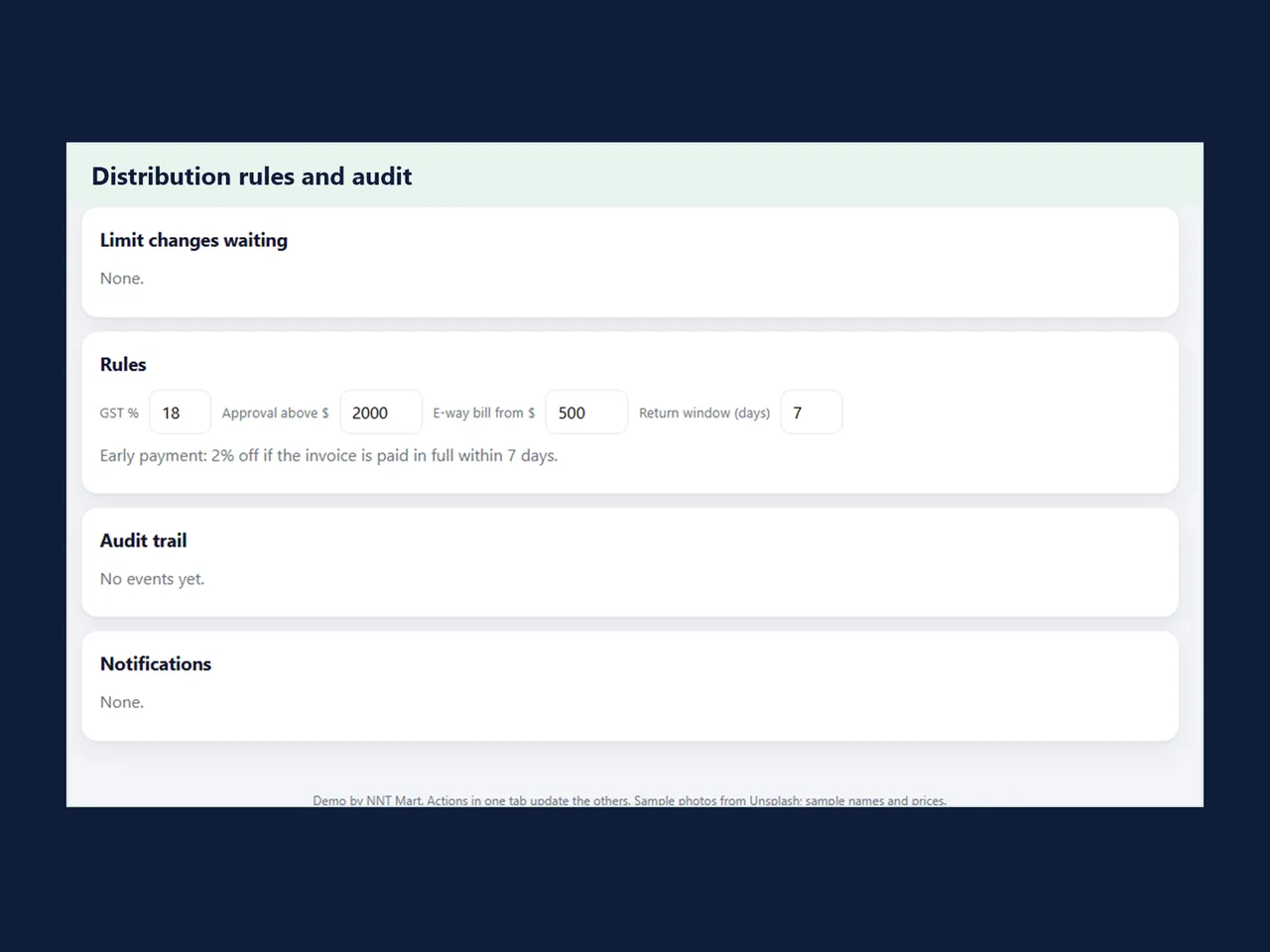
Our job is the engineering: price display with tax, invoice numbering, cookie and marketing consent, return and terms pages, role-based access and logs. Legal and tax conclusions stay with your own adviser in Afghanistan.
Your own store alongside Facebook Marketplace and Telegram shops
Facebook Marketplace, Telegram shops and WhatsApp commerce are where many shoppers in Kabul start, which is why sellers list there. The trade-off is commission, limited branding and rules the platform can change overnight.
NNT Mart gives you a channel you own: your domain, your customer list, your pricing and your brand. Where it helps, we connect product feeds and orders from marketplaces so stock stays in sync and your team works from one dashboard.
Industries in Kabul we work with
Popular online categories in Afghanistan include food and dried fruit, carpets and crafts, electronics, fashion, building materials and cosmetics. Local demand in Kabul is shaped by trade, services, construction and telecoms, so we often design catalogues and B2B ordering around those sectors. In Kabul, we most often build manufacturer and distributor portals for:
Machinery and equipment manufacturers
Machinery and equipment manufacturers get technical catalogue plus enquiries and RFQs workflows tailored to their operations.
Engineering component makers
We map how engineering component makers sell today and digitise it end to end — from enquiry and order to payment, dispatch and repeat purchase.
Electrical and automation brands
For electrical and automation brands, we usually start with partner portal, then add PIM and DAM for product data once orders are flowing.
Building-material manufacturers
Catalogue, pricing and fulfilment rules designed for building-material manufacturers in Kabul, connected to the systems you already use.
Auto-parts companies
Auto-parts companies get spares and service plus technical catalogue workflows tailored to their operations.
Importers and master distributors
We map how importers and master distributors sell today and digitise it end to end — from enquiry and order to payment, dispatch and repeat purchase.
Android and iOS apps for your Kabul business
In Kabul, shoppers browse on phones first. Dealer, field-sales and service-technician apps can scan QR codes on products, look up spares, register warranties and place orders from the shop floor or the customer site.
For shopping app development company in Kabul: one team builds the Android and iOS shopping app and the store behind it, and the ecommerce mobile app cost depends on your screens, integrations and team size.
Apps are published under your own developer accounts and share the same backend as your manufacturer and dealer portal, so offers, stock and orders are always consistent between web and mobile.
Push notifications can be timed to UTC+4:30 so offers reach Kabul customers when they are awake, and the interface can run in Dari and Pashto.
- Warranty and service software
- Logistics partners
- WhatsApp Business API
- E-invoicing and tax systems
- ERP and production planning
- Dealer management systems
- CRM and lead routing
- PIM and DAM for product data
Integrations above are examples; we connect any system that offers a suitable API, database access or approved import and export process.
Launch roadmap and success metrics
We launch the journeys that create value first, then add depth. A typical roadmap for a manufacturer and dealer portal in Kabul:
| Phase | What goes live |
|---|---|
| Catalogue and enquiries | Technical catalogue, documents and RFQ capture with CRM routing. Configured for AFN, cash on delivery and Afghan Post from the start. |
| Partner portal | Dealer sign-in, protected pricing, ordering and ERP sync. |
| Service and apps | Spares, warranty, service requests and field apps. Reviewed against how Kabul customers actually buy. |
We track qualified enquiries per month, quote-to-order conversion, dealer portal adoption, secondary-sales visibility, spare-part order accuracy and time to answer technical queries on a live dashboard from day one, so Kabul results are visible, not promised.
Working with our team from Kabul
Our team covers UTC+4:30 — 1h behind India (IST) — through three 8-hour shifts, so a Kabul client always reaches someone during the local working day.
Project communication is in English; storefront content can be produced in Pashto, Pamir and Dari. You get a named lead, direct engineer access and an NDA if you ask.
Our head office is in Chhapi, Gujarat, with an office in Hyderabad and representation in Nigeria, South Africa, Ethiopia and Zambia; Kabul clients are served remotely with on-site workshops when the project needs them.