Skip to content
NNT Mart by N&T Software
Solutions
Markets
Mobile AppsAboutContact
Get a free demo

Mobile Commerce Applications · United States

E-Commerce App Development in the United States

We do not hand United States businesses a ready-made theme: we study how you sell, then build the online platform and Android/iOS app your customers and staff actually need. Checkout with Visa, Mastercard, Amex and Discover and PayPal and Venmo, delivery through USPS or your own team, and sales-tax-ready invoicing.

  • Web platform + Android/iOS app
  • Visa, Mastercard, Amex and Discover and PayPal and Venmo
  • Delivery via USPS
  • Demo within 24 hours
Shopping app and website showing the same order — United States

Quick answer

Who builds a shopping app in the United States?

NNT Mart by N&T Software builds custom mobile commerce apps and mobile apps for businesses in the United States, designed to each client's requirements. Platforms support Visa, Mastercard, Amex and Discover, PayPal and Venmo and Apple Pay and Google Pay, ship through USPS and UPS, follow state privacy laws led by the California CCPA/CPRA (with similar laws in Virginia, and come with a free demo within 24 hours of the requirements meeting.

Key takeaways

  • We do not hand United States businesses a ready-made theme: we study how you sell, then build the online platform and Android/iOS app your customers and staff actually need.
  • Checkout ready for Visa, Mastercard, Amex and Discover, PayPal and Venmo and Apple Pay and Google Pay, with delivery through USPS and UPS or your own team.
  • Sales-tax-ready invoicing and controls designed around state privacy laws led by the California CCPA/CPRA (with similar laws in Virginia.
  • Free demo within 24 hours of the requirements meeting; you own 100% of the source code after final payment.

The case for a shopping app in United States

The United States is a market of about 340 million people where mobile commerce apps are growing fast, with Washington, D.C. as its capital.

The United States has more than 33 million small businesses, which make up 99.9% of all US firms (US SBA Office of Advocacy). The United States is the world's most valuable e-commerce market outside China, and shoppers expect fast, free shipping, easy returns and wallet checkout. Direct-to-consumer brands that own their store and data, rather than relying only on marketplaces, keep more margin and customer loyalty.

For a business in United States, the opportunity is to own the customer relationship: your own shopping app keeps your margin, your data and your brand, while marketplaces and social channels become additional sales routes instead of the only one.

Localised for United States, not translated into it

Conversion in United States depends on small local signals — the right currency, the right words and the right payment and courier names.

Currency and pricing

The store speaks US dollar: USD amounts from product page to invoice, so United States buyers never convert in their heads.

Language and content

We localise pages, emails and notifications into English and Spanish where your audience needs it.

Local trust signals

Badges for Visa, Mastercard, Amex and Discover and PayPal and Venmo, USPS delivery and clear return terms reassure first-time buyers in United States.

Domain, phone and contact

Using .us where it suits you signals a local business to shoppers and search engines. Click-to-call and WhatsApp buttons use the +1 calling code so customers reach you without dialling errors.

Custom-built for how you sell in United States

We do not hand United States businesses a ready-made theme: we study how you sell, then build the online platform and Android/iOS app your customers and staff actually need.

In United States we typically work with retail brands, grocery and pharmacy chains, restaurants and cloud kitchens and distributors with dealer networks, and with sellers in categories such as electronics, apparel and footwear, health and personal care and home and furniture that have strong online demand in the United States.

Before any commitment you get a free requirements meeting, a demo built on your use case and a proposal priced to your budget.

What your shopping app includes

These are the building blocks of a shopping app. We scope them with you, so you pay for what your United States operation needs.

Customer shopping app

Browse, search, wish-lists, cart, wallet and UPI or card checkout, order tracking and push offers. Customers in United States can pay with Visa, Mastercard, Amex and Discover, PayPal and Venmo and Apple Pay and Google Pay, with receipts and refunds handled in the same admin.

Dealer and B2B app

Account pricing, quick re-order, statements, schemes and barcode scanning for trade buyers. Shipping rules can use USPS, UPS and FedEx as well as your own delivery staff in United States.

Delivery partner app

Assigned orders, route navigation, proof of delivery, COD collection and status updates. Multiple stock points in United States are supported, so a United States order ships from the nearest one.

Store and admin app

Order alerts, stock updates, price changes and sales snapshots for owners and managers. Revenue reports by product, repeat buyer and delivery area of United States guide stock and marketing decisions.

Engagement

Segmented push notifications, deep links, in-app banners, loyalty and referral programmes. Pages, search filters and wording are tuned to how people in United States look for products, in English and Spanish if your audience needs it.

Performance and offline

Fast native-feel UI, image caching, offline cart and graceful handling of poor networks. Product data imports from your existing sheets or ERP, so United States teams do not re-type thousands of items.

Industries in United States we work with

Popular online categories in the United States include electronics, apparel and footwear, health and personal care, home and furniture, groceries and pet supplies. In United States, we most often build mobile commerce apps for:

Retail brands

We map how retail brands sell today and digitise it end to end — from enquiry and order to payment, dispatch and repeat purchase.

Grocery and pharmacy chains

For grocery and pharmacy chains, we usually start with delivery partner app, then add payment SDKs and wallets once orders are flowing.

Restaurants and cloud kitchens

Catalogue, pricing and fulfilment rules designed for restaurants and cloud kitchens in United States, connected to the systems you already use.

Distributors with dealer networks

Distributors with dealer networks get store and admin app plus performance and offline workflows tailored to their operations.

D2C start-ups

We map how D2C start-ups sell today and digitise it end to end — from enquiry and order to payment, dispatch and repeat purchase.

Marketplace operators

For marketplace operators, we usually start with customer shopping app, then add barcode and QR scanning once orders are flowing.

Payments customers in United States expect

A shopping app for United States must support the way people here actually pay: Visa, Mastercard, Amex and Discover, PayPal and Venmo, Apple Pay and Google Pay, Shop Pay, Affirm, Klarna and Afterpay BNPL and ACH bank payments.

We integrate suitable gateways and providers for your business category and merchant eligibility, handle payment status, failed-payment retries and refunds, and keep sensitive card data with the provider rather than on your servers. All amounts are shown in US dollar (USD).

  • ACH bank payments
  • Affirm, Klarna and Afterpay BNPL
  • Shop Pay
  • Visa, Mastercard, Amex and Discover
  • PayPal and Venmo
  • Apple Pay and Google Pay

Shipping, couriers and local delivery in United States

Your shopping app can book shipments and share tracking with USPS, UPS, FedEx, DHL eCommerce, Amazon Shipping and OnTrac, or route orders to your own riders and stores.

We set up shipping zones, cut-off times, free-shipping thresholds, cash-collection rules and returns so the promise on the product page matches what your team can deliver.

Marketplaces vs. your own shopping app in United States

For a United States business, Amazon, Walmart Marketplace, eBay and Etsy are useful shop windows — but fees, ranking changes and shared customer data limit how far you can grow on them alone.

NNT Mart gives you a channel you own: your domain, your customer list, your pricing and your brand. Where it helps, we connect product feeds and orders from marketplaces so stock stays in sync and your team works from one dashboard.

Tax, invoicing and compliance in United States

On tax: There is no federal VAT; 45 states and D.C. levy sales tax with local add-ons, and since South Dakota v. Wayfair (2018) remote sellers must collect tax once they pass each state's economic-nexus threshold.

On privacy we design around state privacy laws led by the California CCPA/CPRA (with similar laws in Virginia, Colorado, Texas and others), the FTC Act, COPPA for children and CAN-SPAM for email; on consumer rights the store reflects FTC rules including the Mail, Internet or Telephone Order Merchandise Rule, the 2024 rule against fake reviews, the ADA expectations on website accessibility and state "click-to-cancel" subscription laws.

Our job is the engineering: price display with tax, invoice numbering, cookie and marketing consent, return and terms pages, role-based access and logs. Legal and tax conclusions stay with your own adviser.

Add a mobile app for United States customers

In United States, shoppers browse on phones first. Every app is published under your own Google Play and Apple developer accounts, with crash reporting, analytics and release management included.

One backend serves the website and the apps, and the apps ship under your own Google Play and App Store accounts — so what you change once appears everywhere.

Order alerts, offers and abandoned-cart reminders go out on United States time (UTC−4), in English and Spanish if you want.

  • Social login
  • Customer support chat
  • Payment SDKs and wallets
  • Firebase and push messaging
  • Maps and location services
  • Barcode and QR scanning
  • Analytics and crash reporting
  • Commerce APIs and headless backends

Integrations above are examples; we connect any system that offers a suitable API, database access or approved import and export process.

Launch roadmap and success metrics

We launch the journeys that create value first, then add depth. A typical roadmap for a shopping app in United States:

PhaseWhat goes live
MVP appCore shopping, checkout, order tracking and push notifications. Configured for USD, Visa, Mastercard, Amex and Discover and USPS from the start.
EngageLoyalty, referrals, personalised offers and deep links.
ExtendDealer, delivery and admin apps on the same backend. Reviewed against how United States customers actually buy.

Success is measured on app installs and active users, app conversion rate, push-notification click rate, crash-free sessions, store rating and share of revenue from app — tracked on a dashboard you can see from launch day.

How United States clients work with us

United States runs on UTC−4, which is 9h 30m behind India (IST). With three 8-hour shifts we are available 24×7, so meetings, demos and urgent fixes happen in your working hours.

Project communication is in English; storefront content can be produced in Carolinian, Samoan and Hawaiian. You get a named lead, direct engineer access and an NDA if you ask.

Our head office is in Chhapi, Gujarat, with an office in Hyderabad and representation in Nigeria, South Africa, Ethiopia and Zambia; clients in the United States are served remotely with on-site workshops when the project needs them.

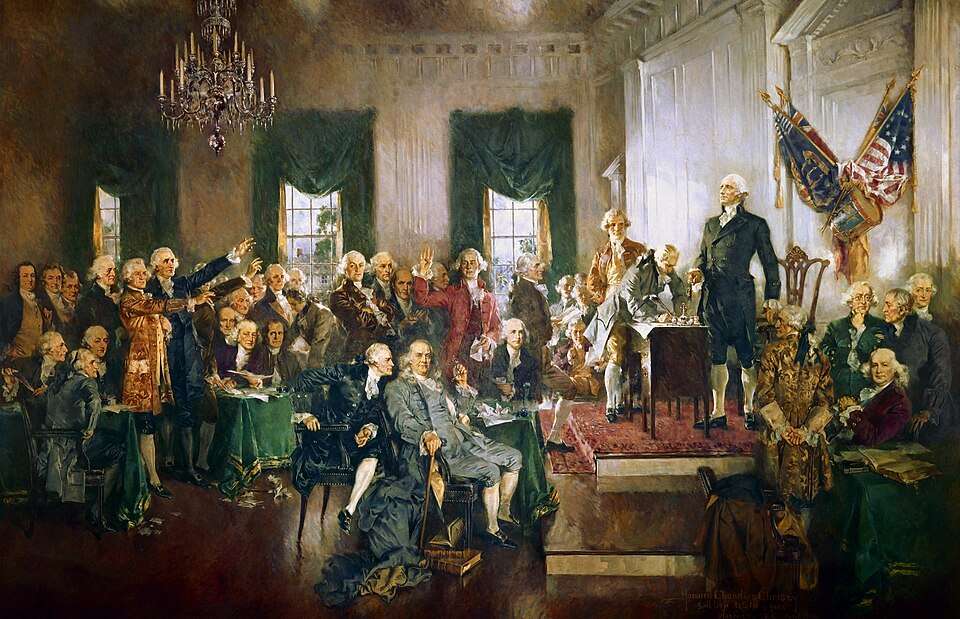
United States — local market for mobile commerce apps
United States · Photo: Wikimedia Commons
Mobile shopping app synced with the online store on a laptop — United States

United States — the market we build for

United States — mobile commerce apps for local businesses
United States · Photo: Wikimedia Commons
United States — mobile commerce apps for local businesses
United States · Photo: Wikimedia Commons
Smartphone with shopping and payment apps — United States
Mobile Commerce Applications

Mobile Commerce Applications across the United States

We build mobile commerce apps for businesses in 246 cities across 51 states in the United States. Choose your city for local payment, delivery and compliance details.

Mobile Commerce Applications in Alabama

Capital: Montgomery. Economy: automotive manufacturing, aerospace in Huntsville, steel, timber and healthcare.

Mobile Commerce Applications in Alaska

Capital: Juneau. Economy: oil and gas, fishing and seafood processing, tourism and air cargo. Alaska has no statewide sales tax, although many boroughs and cities levy local sales taxes collected through the Alaska Remote Seller Sales Tax Commission.

Mobile Commerce Applications in Arizona

Capital: Phoenix. Economy: semiconductors, aerospace, real estate, healthcare, tourism and logistics. Arizona levies a transaction privilege tax (TPT) that works like a sales tax, plus city and county rates.

Mobile Commerce Applications in Arkansas

Capital: Little Rock. Economy: retail headquarters (Walmart in Bentonville), poultry, logistics and trucking.

Mobile Commerce Applications in California

Capital: Sacramento. Economy: technology, entertainment, agriculture, ports, fashion and the largest consumer market in the US. California has the highest statewide base sales-tax rate (7.25%) with additional district taxes, and the CCPA/CPRA privacy law applies to many online stores.

Mobile Commerce Applications in Colorado

Capital: Denver. Economy: aerospace, energy, outdoor recreation brands, cannabis, tourism and tech. Colorado has a low state rate but many home-rule cities administer their own sales tax, which makes destination-based tax calculation important.

Mobile Commerce Applications in Connecticut

Capital: Hartford. Economy: insurance, finance, aerospace and defence manufacturing.

Mobile Commerce Applications in Delaware

Capital: Dover. Economy: banking and credit cards, chemicals, corporate registrations and logistics. Delaware has no statewide general sales tax, a real advantage for online retailers based there.

Mobile Commerce Applications in Washington, D.C.

Capital: Washington. Economy: federal government, associations, professional services, tourism and hospitality.

Mobile Commerce Applications in Georgia

Capital: Atlanta. Economy: logistics (Hartsfield-Jackson), fintech and payments processing, film production and agriculture.

Mobile Commerce Applications in Hawaii

Capital: Honolulu. Economy: tourism, military, agriculture and island logistics. Hawaii levies a general excise tax (GET) on businesses rather than a traditional sales tax.

Mobile Commerce Applications in Idaho

Capital: Boise. Economy: semiconductors, agriculture and food processing, outdoor products and tech.

Mobile Commerce Applications in Illinois

Capital: Springfield. Economy: finance and derivatives, food manufacturing, logistics and agriculture.

Mobile Commerce Applications in Indiana

Capital: Indianapolis. Economy: manufacturing, pharmaceuticals, logistics and motorsport.

Mobile Commerce Applications in Iowa

Capital: Des Moines. Economy: agriculture, insurance, financial services and renewable energy.

Mobile Commerce Applications in Kansas

Capital: Topeka. Economy: aviation manufacturing in Wichita, agriculture, meat processing and logistics.

Mobile Commerce Applications in Kentucky

Capital: Frankfort. Economy: automotive manufacturing, bourbon, logistics (UPS Worldport) and healthcare.

Mobile Commerce Applications in Louisiana

Capital: Baton Rouge. Economy: petrochemicals, ports, seafood, tourism and film production. Louisiana has state and parish sales taxes, with remote sellers able to remit through the Louisiana Sales and Use Tax Commission for Remote Sellers.

Mobile Commerce Applications in Maine

Capital: Augusta. Economy: seafood and lobster, forestry, tourism and outdoor brands.

Mobile Commerce Applications in Maryland

Capital: Annapolis. Economy: federal contracting, biotech, healthcare and the Port of Baltimore.

Mobile Commerce Applications in Massachusetts

Capital: Boston. Economy: higher education, biotech, healthcare, finance and robotics.

Mobile Commerce Applications in Michigan

Capital: Lansing. Economy: automotive and mobility, furniture, agriculture and tourism.

Mobile Commerce Applications in Minnesota

Capital: Saint Paul. Economy: retail (Target, Best Buy), medical devices, food and agribusiness.

Mobile Commerce Applications in Mississippi

Capital: Jackson. Economy: agriculture, shipbuilding, automotive manufacturing and gaming.

Mobile Commerce Applications in Missouri

Capital: Jefferson City. Economy: financial services, healthcare, aerospace, agribusiness and logistics.

Mobile Commerce Applications in Montana

Capital: Helena. Economy: agriculture, tourism, mining and outdoor recreation. Montana has no statewide general sales tax, a real advantage for online retailers based there.

Mobile Commerce Applications in Nebraska

Capital: Lincoln. Economy: agriculture and food processing, insurance, rail and finance.

Mobile Commerce Applications in Nevada

Capital: Carson City. Economy: tourism and gaming, logistics, mining and data centres.

Mobile Commerce Applications in New Hampshire

Capital: Concord. Economy: advanced manufacturing, tech, healthcare and tourism. New Hampshire has no statewide general sales tax, a real advantage for online retailers based there.

Mobile Commerce Applications in New Jersey

Capital: Trenton. Economy: pharmaceuticals, finance, logistics around the Port of New Jersey and retail.

Mobile Commerce Applications in New Mexico

Capital: Santa Fe. Economy: national laboratories, energy, aerospace, film and tourism. New Mexico uses a gross receipts tax (GRT) on businesses instead of a traditional sales tax.

Mobile Commerce Applications in New York

Capital: Albany. Economy: finance, media, fashion, tech, healthcare and the largest metropolitan consumer market in the US.

Mobile Commerce Applications in North Carolina

Capital: Raleigh. Economy: banking in Charlotte, research and biotech in the Research Triangle, furniture and textiles.

Mobile Commerce Applications in North Dakota

Capital: Bismarck. Economy: oil and gas, agriculture and food processing.

Mobile Commerce Applications in Ohio

Capital: Columbus. Economy: manufacturing, retail HQs, healthcare, logistics and insurance.

Mobile Commerce Applications in Oklahoma

Capital: Oklahoma City. Economy: oil and gas, aerospace maintenance, agriculture and logistics.

Mobile Commerce Applications in Oregon

Capital: Salem. Economy: athletic and outdoor brands, semiconductors, forestry and agriculture. Oregon has no statewide general sales tax, a real advantage for online retailers based there.

Mobile Commerce Applications in Pennsylvania

Capital: Harrisburg. Economy: healthcare, education, manufacturing, logistics and energy.

Mobile Commerce Applications in Rhode Island

Capital: Providence. Economy: healthcare, education, defence and marine industries.

Mobile Commerce Applications in South Carolina

Capital: Columbia. Economy: automotive (BMW, Volvo), aerospace (Boeing), ports and tourism.

Mobile Commerce Applications in South Dakota

Capital: Pierre. Economy: financial services, agriculture and tourism. South Dakota is the state behind South Dakota v. Wayfair, the 2018 Supreme Court case that let states tax remote online sellers.

Mobile Commerce Applications in Tennessee

Capital: Nashville. Economy: healthcare management, music, automotive manufacturing and logistics (FedEx in Memphis).

Mobile Commerce Applications in Utah

Capital: Salt Lake City. Economy: tech ("Silicon Slopes"), outdoor brands, direct-selling companies and finance.

Mobile Commerce Applications in Vermont

Capital: Montpelier. Economy: specialty food, dairy, tourism and outdoor brands.

Mobile Commerce Applications in Virginia

Capital: Richmond. Economy: federal contracting, data centres, defence, ports and agriculture.

Mobile Commerce Applications in Washington

Capital: Olympia. Economy: cloud and e-commerce giants, aerospace, coffee, agriculture and trade with Asia.

Mobile Commerce Applications in West Virginia

Capital: Charleston. Economy: energy, chemicals, healthcare and outdoor tourism.

Mobile Commerce Applications in Wisconsin

Capital: Madison. Economy: manufacturing, dairy and food, healthcare and insurance.

Mobile Commerce Applications in Wyoming

Capital: Cheyenne. Economy: energy and mining, tourism and agriculture.

How we work

How a shopping app project runs with N&T Software for United States

Every shopping app we build follows the same staged, quality-gated process, shaped around your requirements. You see progress every day, review it every week and give written sign-off at each milestone before any payment is due.

  1. 01

    Discover

    ✓ Scope signed off

  2. 02

    Design

    ✓ App UX approved

  3. 03

    Build

    ✓ Build accepted

  4. 04

    Secure & Test

    ✓ UAT signed off

  5. 05

    Deploy

    ✓ Store approved

  6. 06

    Handover

    ✓ Handover signed

  7. 07

    Support

    ✓ SLA active

A milestone payment plan built around acceptance

There is no standard price list, because every shopping app is quoted to your requirements and budget. What is standard is how you pay: a small advance, then milestones released only after written acceptance. An example:

Protected after launch — warranty and annual support for your shopping app

Every project includes a free 90-day defect warranty. After that, the same team that built your shopping app keeps it secure, updated and running on a fixed annual fee agreed up front — no open-ended hourly billing and no surprise invoices.

You own the code, the data and the IP

For every shopping app, upon full and final payment the complete source code and intellectual property are transferred to you — so you can host, maintain and enhance the system with any developer.

Read the full Mobile Commerce Applications delivery process — reporting, payment milestones, warranty, team and engagement models →

Mobile Commerce Applications in United States — FAQs

How long does it take to launch a shopping app in United States?

Timelines are agreed around your scope. You see a demo within 24 hours of our requirements meeting, and a phased plan lets priority journeys go live first while further modules follow.

Can I also sell on Amazon and Walmart Marketplace?

Yes. Your own shopping app can sit alongside Amazon, Walmart Marketplace and eBay; where APIs allow, we sync products, stock and orders so your team manages everything from one admin.

Do you provide support after launch for clients in United States?

Every project includes a free 90-day defect warranty, followed by an optional fixed-fee annual support package with a dedicated developer, SLA-based fixes and a 24×7 helpdesk across three shifts.

Can you build a mobile app along with the shopping app for my United States business?

Yes. We build Android and iOS apps for customers, dealers, delivery staff or administrators on the same backend as your shopping app, and publish them under your own Google Play and App Store accounts.

Do I own the source code of my shopping app?

Yes. After full and final payment, 100% of the source code, design files, database schemas, deployment scripts and documentation are transferred to you, with no lock-in or forced subscription.

Is the platform compliant with local tax and privacy law in the United States?

We build the technical controls — tax-inclusive pricing, compliant invoices and consent management — with state privacy laws led by the California CCPA/CPRA (with similar laws in Virginia in mind. Final legal and tax positions should be confirmed with your adviser.

What sells best online in United States?

Electronics, apparel and footwear, health and personal care and home and furniture are strong online categories in the United States. We shape the catalogue, filters and checkout around what your own customers buy.

What time zone and language will we work in for a United States project?

United States runs on UTC−4 (9h 30m behind India (IST)). We reply within 10 minutes around the clock, meet in your working hours and write storefront content in English and Spanish as well as English.

Free demo in 24 hours

Plan your shopping app in United States

Tell us what you sell and how you take orders today. We reply within 10 minutes, meet you to understand your requirements, and share a working demo within 24 hours.

We reply within 10 minutes, 24×7. Your details are used only to respond to your enquiry — see our privacy policy.

Tell us what you sell. We will show you a working demo in 24 hours.

Free requirements meeting, a demo built on your use case and a proposal priced to your budget — with no obligation.

Tagged with