Why a multi-vendor marketplace makes sense for Frankfurt am Main
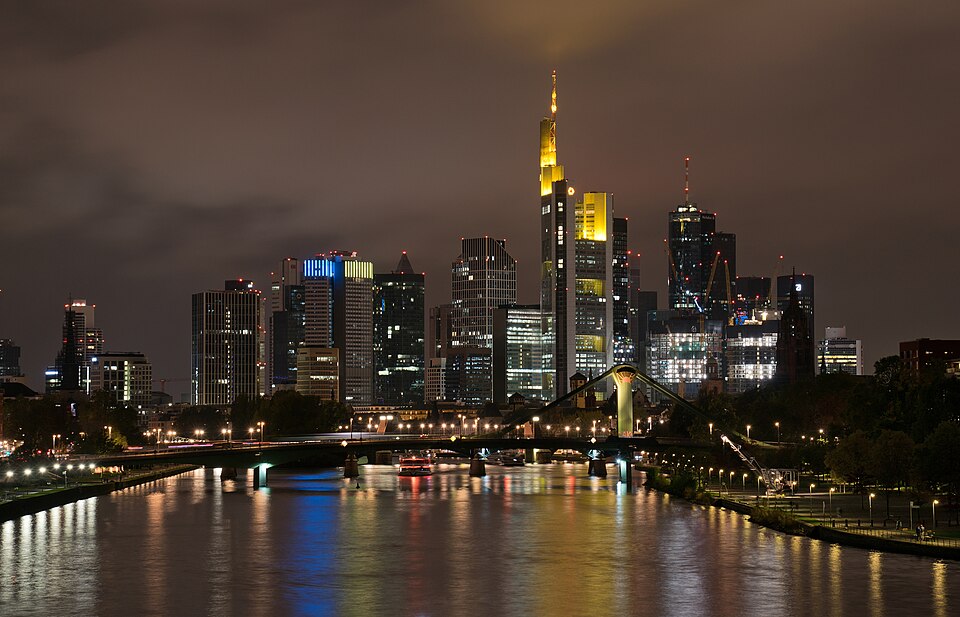
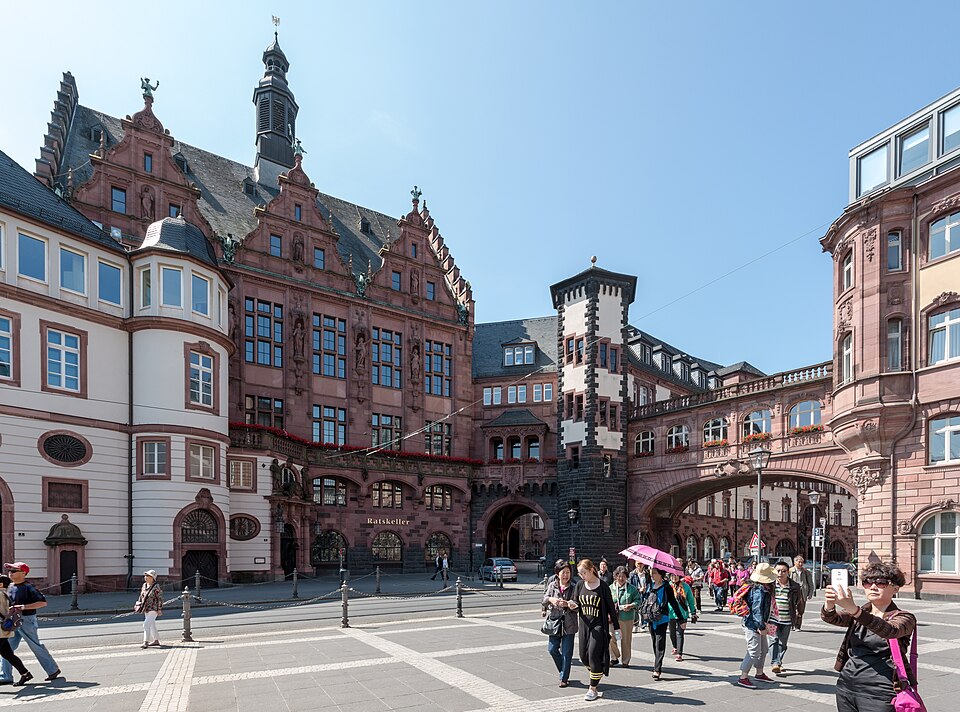
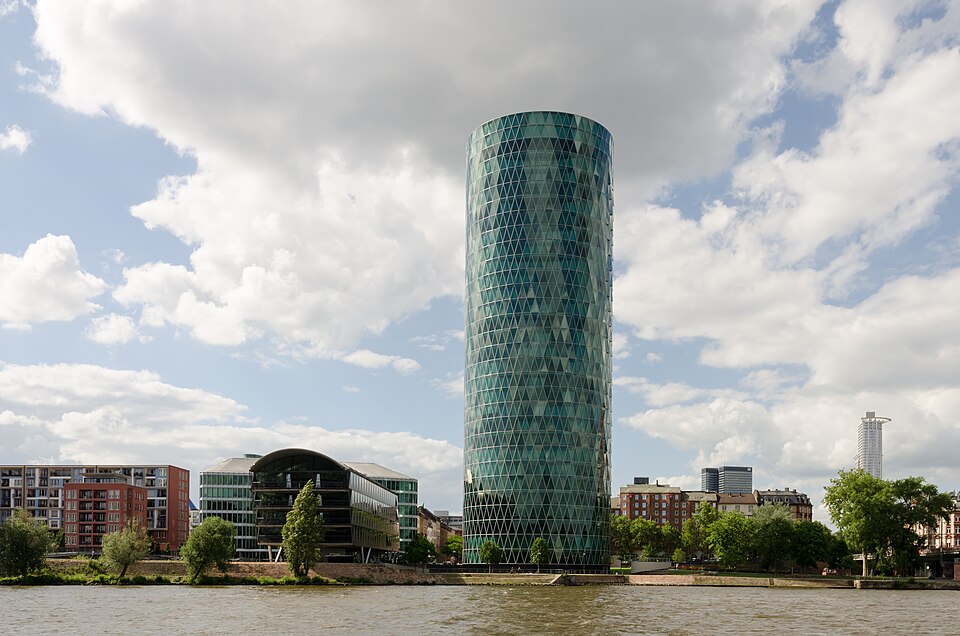
Frankfurt am Main is a largest city in hesse, germany, where around 761,000 people live and shop, and one of the markets in Germany where we build multi-vendor marketplaces.
The local economy is driven by banking, ECB, stock exchange and custody, and commercial activity concentrates around the Bankenviertel, Westend and Eschborn.
Logistics are supported by Frankfurt Airport and DE-CIX, one of the world's largest internet exchanges, which matters when you promise customers fast delivery.
Germany has about 3 million SMEs, the Mittelstand that forms 99% of German companies (IfM Bonn). Germany is Europe's largest e-commerce market after the UK, with shoppers who value data privacy, invoice payment and precise product information. Legally correct checkouts and German-language content are essential for trust.
That is why more companies in Frankfurt am Main are moving from phone, WhatsApp and spreadsheet orders to a proper multi-vendor marketplace — one place where products, prices, payments, orders and customers are managed together.
What makes a Frankfurt am Main store feel local
Conversion in Frankfurt am Main depends on small local signals — the right currency, the right words and the right payment and courier names.
Currency and pricing
The store speaks euro: EUR amounts from product page to invoice, so Frankfurt am Main buyers never convert in their heads.
Language and content
Content can be produced in German, so a Frankfurt am Main customer reads the store in the language they use at home.
Local trust signals
Trust is local: familiar names such as PayPal and Klarna and invoice payment (Kauf auf Rechnung) and DHL Paket sit next to the buy button.
Domain, phone and contact
A .de domain (or your own) builds local trust and search relevance. Click-to-call and WhatsApp buttons use the +49 calling code so customers reach you without dialling errors.
Talent and partners nearby
Frankfurt am Main draws on Goethe University and Frankfurt School of Finance, which means plenty of local staff, interns and technology partners to run the store after launch.
Custom-built for how you sell in Frankfurt am Main
We do not hand Frankfurt am Main businesses a ready-made theme: we study how you sell, then build the online platform and Android/iOS app your customers and staff actually need.
Typical clients include regional seller networks, B2B supplier platforms, service-provider marketplaces and institutional procurement platforms. Categories that sell especially well online in Germany — fashion and shoes, consumer electronics, household appliances and DIY and garden — get catalogue structures and filters designed for them.
Before any commitment you get a free requirements meeting, a demo built on your use case and a proposal priced to your budget.
Features of your multi-vendor marketplace in Frankfurt am Main
Each module below is configured — or custom-developed — to your requirements. You choose what launches first and what follows in later phases.
Vendor onboarding
Application, document verification, agreements, approval and seller dashboards with team access. Couriers such as DHL Paket, Hermes and DPD plug in alongside your own fleet for Frankfurt am Main orders.
Catalogue governance
Listing templates, moderation queues, category rules, image standards and duplicate detection. Stock can be held in Frankfurt am Main or anywhere in Germany, with pickup and local-delivery options where they make sense.
Commission engine
Commissions and fees by vendor, category, product or transaction, with promotions funded by either party. Revenue reports by product, repeat buyer and delivery area of Frankfurt am Main guide stock and marketing decisions.
Order routing
Split carts, vendor-wise fulfilment, shipping rules, service areas and delivery tracking. Content and design can follow how customers in Frankfurt am Main search and buy, including German where you need it.
Settlements
Payout calculations, reconciliation reports and integration with split-payment providers where permitted. Catalogues come in from spreadsheets, ERP exports or supplier feeds, so your Frankfurt am Main team keeps its current way of working.
Trust and support
Ratings, reviews, returns, disputes, seller performance scores and customer-support workflows. Payment steps are built around PayPal, Klarna and invoice payment (Kauf auf Rechnung) and SEPA direct debit, the options shoppers here already trust.
Getting paid online in Frankfurt am Main
A multi-vendor marketplace for Frankfurt am Main must support the way people here actually pay: PayPal, Klarna and invoice payment (Kauf auf Rechnung), SEPA direct debit, Visa and Mastercard, giropay/Wero and Apple Pay.
We integrate suitable gateways and providers for your business category and merchant eligibility, handle payment status, failed-payment retries and refunds, and keep sensitive card data with the provider rather than on your servers. All amounts are shown in euro (EUR).
Business buyers around the Bankenviertel often want invoices or bank transfer, while consumers lean on PayPal. We support both flows.
- Giropay/Wero
- Apple Pay
- SEPA direct debit
- Visa and Mastercard
- Klarna and invoice payment (Kauf auf Rechnung)
- PayPal
Delivery and fulfilment from Frankfurt am Main
Your multi-vendor marketplace can book shipments and share tracking with DHL Paket, Hermes, DPD, GLS, UPS and Packstation lockers, or route orders to your own riders and stores across Frankfurt am Main.
We set up shipping zones, cut-off times, free-shipping thresholds, cash-collection rules and returns so the promise on the product page matches what your team can deliver.
Connectivity in the area — Frankfurt Airport and DE-CIX, one of the world's largest internet exchanges — makes regional and national dispatch from Frankfurt am Main practical.
Compliance built into your multi-vendor marketplace
German VAT (Umsatzsteuer) is 19% standard and 7% reduced; EU OSS registration simplifies selling to consumers in other member states.
On privacy we design around the EU General Data Protection Regulation (GDPR) and the ePrivacy rules on cookies and marketing consent, plus the German TDDDG (formerly TTDSG) and strict Impressum requirements; on consumer rights the store reflects the EU Consumer Rights Directive (14-day withdrawal right), the Digital Services Act and, from June 2025, the European Accessibility Act for online shops, the German "button solution" (zahlungspflichtig bestellen) and the Packaging Act (VerpackG) registration with LUCID.
Controls we implement include compliant invoices, consent capture, policy pages, restricted staff access and audit trails. Please confirm the final legal and tax position with a local adviser in Frankfurt am Main.
Frankfurt am Main sellers: marketplace plus your own store
Selling in Frankfurt am Main through Amazon.de, Otto and Zalando gets you reach quickly, yet the buyer belongs to the platform, not to you.
With your own multi-vendor marketplace you keep the customer data, set the offers and the packaging, and still push stock to marketplaces from a single admin.
Industries in Frankfurt am Main we work with
Popular online categories in Germany include fashion and shoes, consumer electronics, household appliances, DIY and garden, books and media and sports and outdoor. Local demand in Frankfurt am Main is shaped by banking, ECB, stock exchange and custody, so we often design catalogues and B2B ordering around those sectors. In Frankfurt am Main, we most often build multi-vendor marketplaces for:
Industry-specific marketplaces
We map how industry-specific marketplaces sell today and digitise it end to end — from enquiry and order to payment, dispatch and repeat purchase.
Regional seller networks
For regional seller networks, we usually start with commission engine, then add KYC and business verification once orders are flowing.
B2B supplier platforms
Catalogue, pricing and fulfilment rules designed for B2B supplier platforms in Frankfurt am Main, connected to the systems you already use.
Service-provider marketplaces
Service-provider marketplaces get order routing plus trust and support workflows tailored to their operations.
Institutional procurement platforms
We map how institutional procurement platforms sell today and digitise it end to end — from enquiry and order to payment, dispatch and repeat purchase.
Artisan and curated brand marketplaces
For artisan and curated brand marketplaces, we usually start with vendor onboarding, then add CRM and helpdesk once orders are flowing.
Add a mobile app for Frankfurt am Main customers
Separate buyer and seller apps let customers shop and track orders while vendors manage listings, accept orders and see payouts from their phones.
One backend serves the website and the apps, and the apps ship under your own Google Play and App Store accounts — so what you change once appears everywhere.
Order alerts, offers and abandoned-cart reminders go out on Frankfurt am Main time (UTC+2), in German if you want.
- WhatsApp and push notifications
- Logistics aggregators
- Search and recommendation engines
- Analytics and BI
- CRM and helpdesk
- Tax and invoicing systems
- KYC and business verification
- Split-payment and escrow providers
Integrations above are examples; we connect any system that offers a suitable API, database access or approved import and export process.
Launch roadmap and success metrics
We launch the journeys that create value first, then add depth. A typical roadmap for a multi-vendor marketplace in Frankfurt am Main:
| Phase | What goes live |
|---|---|
| Pilot marketplace | Seller onboarding, catalogue, checkout, order routing and basic payouts. Configured for EUR, PayPal and DHL Paket from the start. |
| Govern and grow | Moderation, commissions, promotions, reviews and dispute handling. |
| Scale | Buyer and seller apps, new categories, cities and service areas. Reviewed against how Frankfurt am Main customers actually buy. |
Success is measured on active sellers, GMV and take rate, listing approval time, order defect rate, seller payout accuracy and buyer repeat rate — tracked on a dashboard you can see from launch day.
Support hours and communication for Frankfurt am Main
Frankfurt am Main runs on UTC+2, which is 3h 30m behind India (IST). With three 8-hour shifts we are available 24×7, so meetings, demos and urgent fixes happen in your working hours.
Project communication is in English; storefront content can be produced in German. You get a named lead, direct engineer access and an NDA if you ask.
Our head office is in Chhapi, Gujarat, with an office in Hyderabad and representation in Nigeria, South Africa, Ethiopia and Zambia; Frankfurt am Main clients are served remotely with on-site workshops when the project needs them.