Why a service booking platform makes sense for Makkah
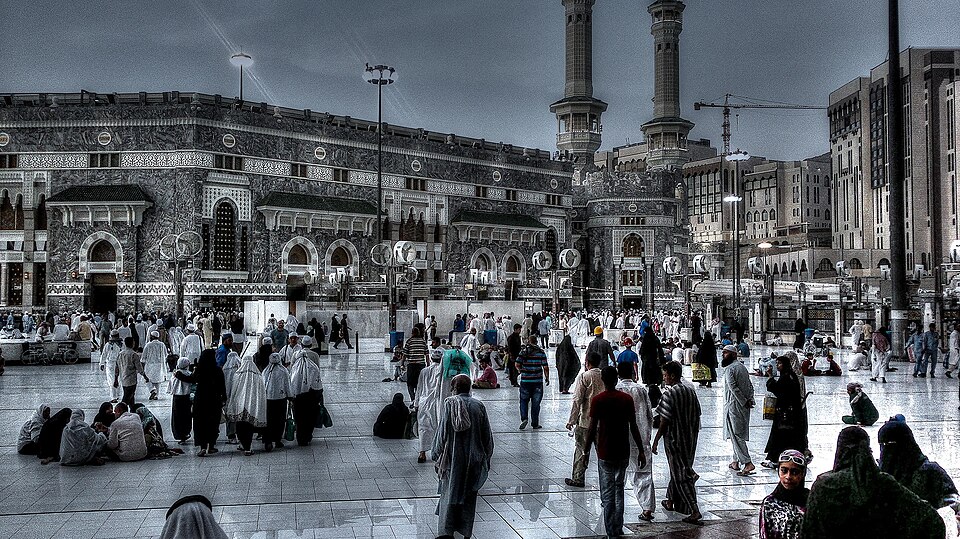
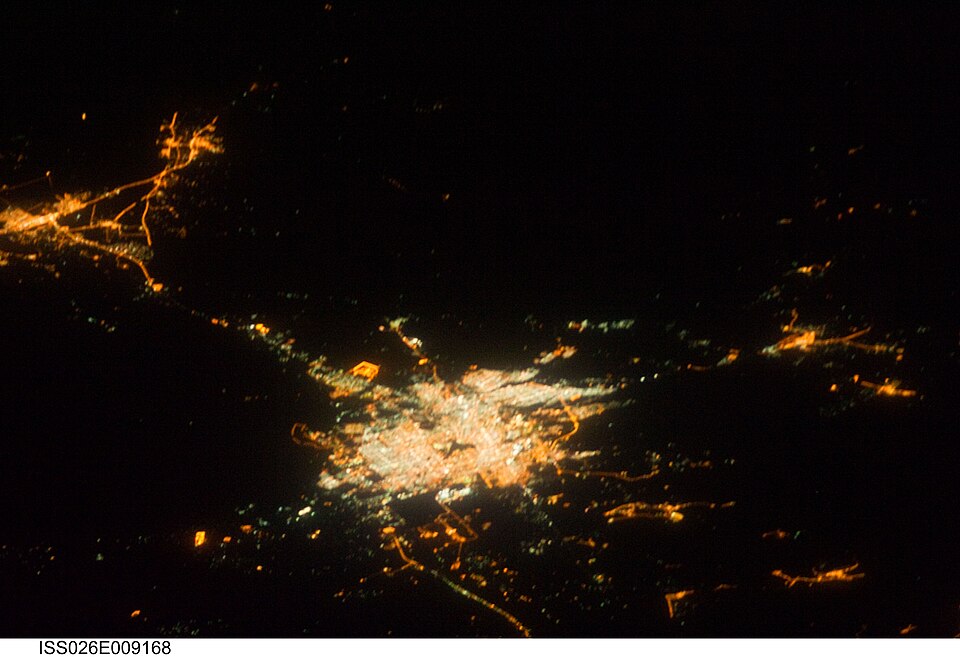
Makkah is a holiest city in islam and capital of mecca province, saudi arabia, home to about 2.4 million people, and one of the markets in Saudi Arabia where we build service booking platforms.
The local economy is driven by pilgrimage logistics, hospitality and crowd-management tech, and commercial activity concentrates around Central Makkah around the Haram.
Logistics are supported by Haramain high-speed railway, which matters when you promise customers fast delivery.
Saudi Arabia has more than 1.3 million small and medium enterprises (Monsha'at). Vision 2030 has made e-commerce a national priority, and Saudi Arabia is the largest online retail market in the GCC. Arabic-first, mobile-first stores with mada, Apple Pay and BNPL checkout are now the baseline expectation.
For a business in Makkah, the opportunity is to own the customer relationship: your own service booking platform keeps your margin, your data and your brand, while marketplaces and social channels become additional sales routes instead of the only one.
Localised for Makkah, not translated into it
A store that works in Makkah respects local habits as well as local law. These are the details we configure first.
Currency and pricing
Prices, taxes, shipping and refunds are shown in Saudi riyal (SAR), formatted the way Makkah customers read them.
Language and content
Storefront copy, product pages and emails can run in Arabic and English, with local date and number formats.
Local trust signals
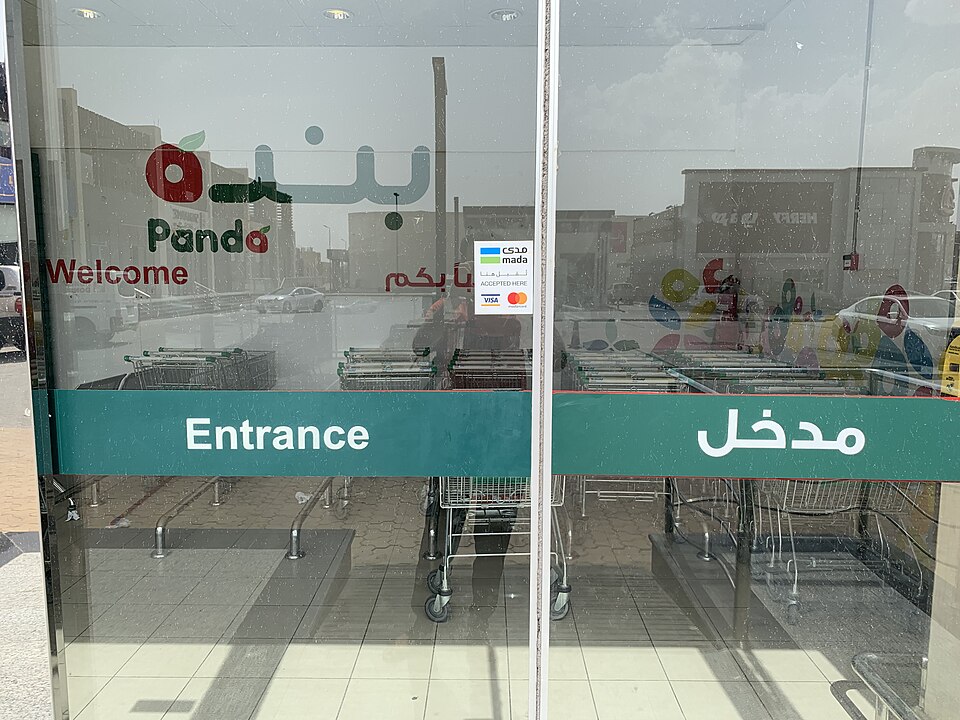
We add the payment logos, courier names and policy pages shoppers in Makkah recognise: mada debit cards and Visa and Mastercard and delivery through SPL (Saudi Post).
Domain, phone and contact
A .sa domain (or your own) builds local trust and search relevance. Click-to-call and WhatsApp buttons use the +966 calling code so customers reach you without dialling errors.
Talent and partners nearby
Makkah draws on Umm Al-Qura University, which means plenty of local staff, interns and technology partners to run the store after launch.
Designed to your requirements, not a template
Makkah businesses tell us what they sell and how they want to sell it; our engineers turn that into a custom service booking platform, an admin system and a mobile app shaped around their operations.
Typical clients include salons and spas, gyms and studios, home-service providers and training institutes. Categories that sell especially well online in Saudi Arabia — electronics and mobiles, fashion and modest wear, beauty and oud and groceries — get catalogue structures and filters designed for them.
Before any commitment you get a free requirements meeting, a demo built on your use case and a proposal priced to your budget.
What your service booking platform includes
Nothing here is fixed: modules are switched on, reshaped or built from scratch around how your Makkah business sells.
Service catalogue
Services, durations, add-ons, packages, memberships and location- or staff-specific pricing. Couriers such as SPL (Saudi Post), Aramex and SMSA Express plug in alongside your own fleet for Makkah orders.
Smart scheduling
Real-time availability, buffers, capacity, resources and rooms, time zones and holiday calendars. Stock can be held in Makkah or anywhere in Saudi Arabia, with pickup and local-delivery options where they make sense.
Staff and resources
Staff rosters, skills, commissions, vehicles, equipment and venue allocation. Dashboards break sales down by product, customer and neighbourhood of Makkah, so you see what to promote.
Deposits and payments
Full payment, deposits, pay-at-venue, cancellation fees, refunds and gift vouchers. Storefront language, imagery and navigation are set up for Makkah shoppers and available in Arabic and English.
Reminders
Email, SMS and WhatsApp confirmations, reminders and rescheduling links that reduce no-shows. Bulk import and sync tools mean the Makkah team never re-keys stock, prices or descriptions by hand.
Field and venue operations
Job sheets, check-in, attendance, digital forms, photos and customer signatures. Payment steps are built around mada debit cards, Visa and Mastercard and Apple Pay and STC Pay, the options shoppers here already trust.
Industries in Makkah we work with
Popular online categories in Saudi Arabia include electronics and mobiles, fashion and modest wear, beauty and oud, groceries, home appliances and gaming. Local demand in Makkah is shaped by pilgrimage logistics, hospitality and crowd-management tech, so we often design catalogues and B2B ordering around those sectors. In Makkah, we most often build service booking platforms for:
Clinics and wellness centres
Clinics and wellness centres get service catalogue plus staff and resources workflows tailored to their operations.
Salons and spas
We map how salons and spas sell today and digitise it end to end — from enquiry and order to payment, dispatch and repeat purchase.
Gyms and studios
For gyms and studios, we usually start with deposits and payments, then add WhatsApp Business API and SMS once orders are flowing.
Home-service providers
Catalogue, pricing and fulfilment rules designed for home-service providers in Makkah, connected to the systems you already use.
Training institutes
Training institutes get reminders plus service catalogue workflows tailored to their operations.
Rental and venue businesses
We map how rental and venue businesses sell today and digitise it end to end — from enquiry and order to payment, dispatch and repeat purchase.
Checkout and payment methods for Makkah
Shoppers in Makkah rarely abandon a cart over price alone — they leave when their usual method is missing. Here that means mada debit cards, Visa and Mastercard and Apple Pay and STC Pay, then Tabby and Tamara BNPL, SADAD bill payments and cash on delivery.
Provider approval, settlement time and fees differ by business type, so we shortlist gateways with you, then wire up status updates, refunds and reconciliation in SAR — card details stay with the provider.
Zone-based payment rules let you offer different options for Central Makkah around the Haram than for outer parts of Makkah.
- Tabby and Tamara BNPL
- Cash on delivery
- Apple Pay and STC Pay
- Mada debit cards
- Visa and Mastercard
- SADAD bill payments
Delivery and fulfilment from Makkah
Your service booking platform can book shipments and share tracking with SPL (Saudi Post), Aramex, SMSA Express, J&T Express, Naqel and DHL, or route orders to your own riders and stores across Makkah.
We set up shipping zones, cut-off times, free-shipping thresholds, cash-collection rules and returns so the promise on the product page matches what your team can deliver.
Connectivity in the area — Haramain high-speed railway — makes regional and national dispatch from Makkah practical.
Owning your channel in Saudi Arabia
For a Makkah business, Amazon.sa, noon, Jarir and Extra are useful shop windows — but fees, ranking changes and shared customer data limit how far you can grow on them alone.
NNT Mart gives you a channel you own: your domain, your customer list, your pricing and your brand. Where it helps, we connect product feeds and orders from marketplaces so stock stays in sync and your team works from one dashboard.
Compliance built into your service booking platform
Tax basics: Saudi VAT is charged at 15% under ZATCA rules, and ZATCA e-invoicing (FATOORA) requires compliant electronic invoices for registered businesses.
On privacy we design around the Personal Data Protection Law (PDPL) enforced by SDAIA, which regulates consent, cross-border transfers and breach notification; on consumer rights the store reflects the E-Commerce Law and its implementing regulations from the Ministry of Commerce, which require Arabic disclosures, Maroof-style business identification and clear return terms.
We build the technical controls — tax-inclusive pricing, compliant invoices, consent banners, terms and return pages, data-access roles and audit logs. We are not a law firm, so final legal and tax positions should be confirmed with your own adviser in Saudi Arabia.
Add a mobile app for Makkah customers
Phones carry most traffic in Saudi Arabia. A customer app makes rebooking one tap, while a staff app shows the day's schedule, routes for field visits, job checklists and payment collection.
Apps are published under your own developer accounts and share the same backend as your service booking platform, so offers, stock and orders are always consistent between web and mobile.
Push notifications can be timed to UTC+3 so offers reach Makkah customers when they are awake, and the interface can run in Arabic and English.
- POS systems
- Accounting
- Google and Outlook calendars
- Maps and route planning
- CRM and marketing
- WhatsApp Business API and SMS
- Payment gateways
- Video-call tools
Integrations above are examples; we connect any system that offers a suitable API, database access or approved import and export process.
Launch roadmap and success metrics
We launch the journeys that create value first, then add depth. A typical roadmap for a service booking platform in Makkah:
| Phase | What goes live |
|---|---|
| Launch booking | Services, schedules, staff, payments and reminders. Configured for SAR, mada debit cards and SPL (Saudi Post) from the start. |
| Operate | Packages, memberships, field jobs, forms and reports. |
| Expand | Customer and staff apps, more locations and marketing automation. Reviewed against how Makkah customers actually buy. |
Success is measured on booking conversion, no-show rate, capacity utilisation, average booking value, rebooking rate and staff productivity — tracked on a dashboard you can see from launch day.
How Makkah clients work with us
Makkah runs on UTC+3, which is 2h 30m behind India (IST). With three 8-hour shifts we are available 24×7, so meetings, demos and urgent fixes happen in your working hours.
Project communication is in English; storefront content can be produced in Arabic. You get a named lead, direct engineer access and an NDA if you ask.
Our head office is in Chhapi, Gujarat, with an office in Hyderabad and representation in Nigeria, South Africa, Ethiopia and Zambia; Makkah clients are served remotely with on-site workshops when the project needs them.