Why Damascus businesses are investing in B2B and wholesale portals
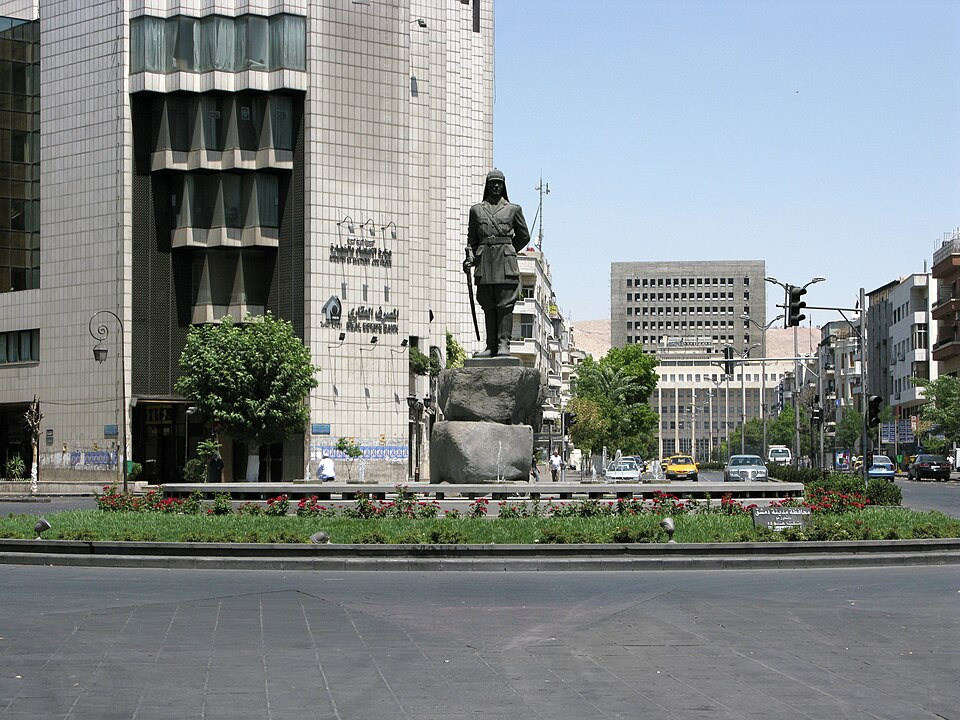
Damascus is a capital city of syria, where around 2.7 million people live and shop, and one of the markets in Syria where we build B2B and wholesale portals.
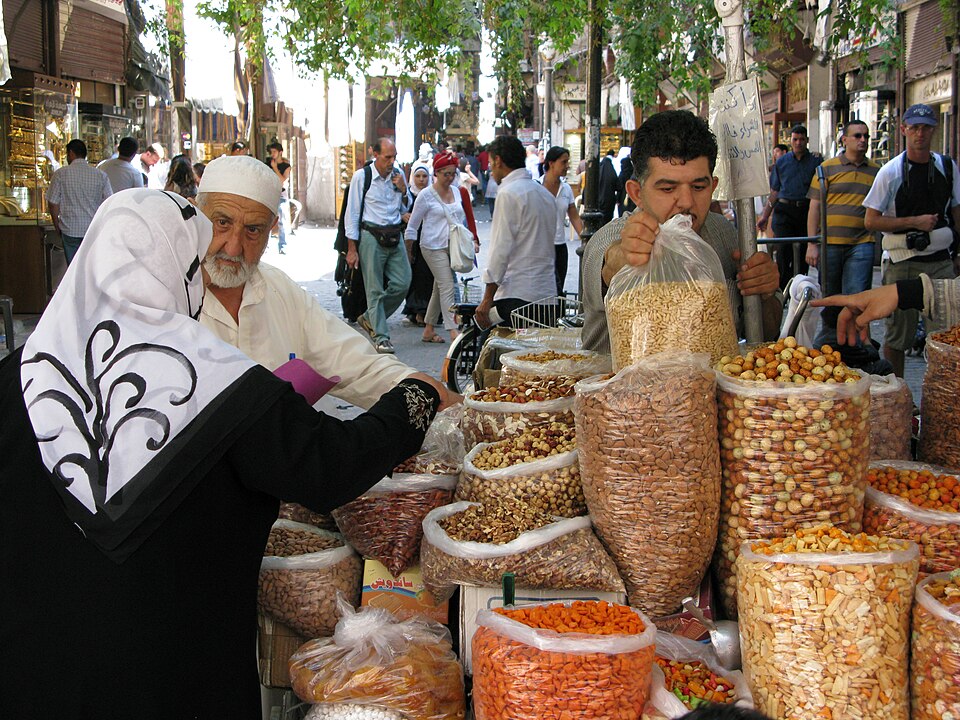
Businesses here work in trade, crafts, services and light manufacturing; many are based around the Old City souks, Marjeh and Mazzeh districts.
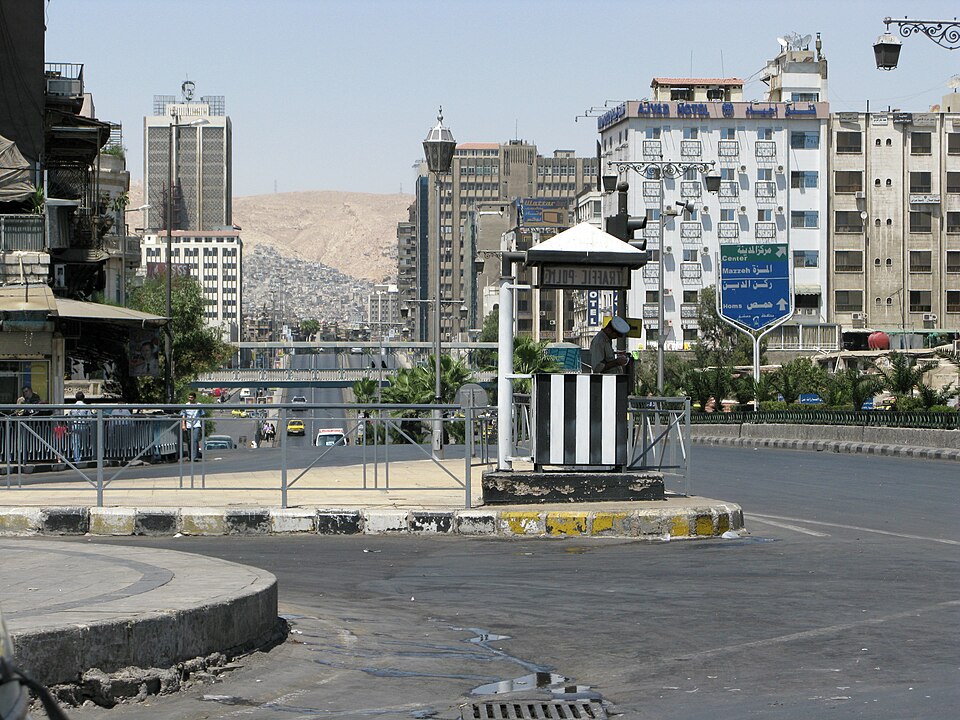
Logistics are supported by Damascus International Airport and the Damascus–Homs highway, which matters when you promise customers fast delivery.
Online selling in Syria runs mostly through social media with cash on delivery. International sanctions and banking limits mean cross-border card payments are not available, so stores rely on local payment and delivery.
Shoppers and trade buyers in Damascus already compare options on their phones; a B2B ordering portal that loads fast, shows accurate stock and accepts cash on delivery turns that research into orders.
Localised for Damascus, not translated into it
A store that works in Damascus respects local habits as well as local law. These are the details we configure first.
Currency and pricing
Prices, taxes, shipping and refunds are shown in Syrian pound (SYP), formatted the way Damascus customers read them.
Language and content
Storefront copy, product pages and emails can run in Arabic, Kurdish and English, with local date and number formats.
Local trust signals
We add the payment logos, courier names and policy pages shoppers in Damascus recognise: cash on delivery and bank transfer and delivery through Syrian Post.
Domain, phone and contact
Using .sy where it suits you signals a local business to shoppers and search engines. Contact buttons are pre-set with +963, so a customer in Damascus taps once to call or message.
Talent and partners nearby
Damascus draws on University of Damascus, which means plenty of local staff, interns and technology partners to run the store after launch.
Designed to your requirements, not a template
We do not hand Damascus businesses a ready-made theme: we study how you sell, then build the online platform and Android/iOS app your customers and staff actually need.
Typical clients include FMCG distributors, industrial suppliers, electrical and hardware traders and medical and institutional suppliers. Categories that sell especially well online in Syria — food, fashion, electronics and home goods — get catalogue structures and filters designed for them.
Before any commitment you get a free requirements meeting, a demo built on your use case and a proposal priced to your budget.
Core modules we build for Damascus clients
Nothing here is fixed: modules are switched on, reshaped or built from scratch around how your Damascus business sells.
Business accounts
Registration, KYC and approval, company hierarchies, branches, buyers and approvers with their own permissions. Checkout is configured for cash on delivery, bank transfer and local mobile wallets.
Contract pricing
Price lists by customer, group or territory, quantity slabs, pack sizes, minimum order values and negotiated rates. Couriers such as Syrian Post, local courier firms and taxi and bus parcel services plug in alongside your own fleet for Damascus orders.
Quick and bulk ordering
SKU-code entry, spreadsheet upload, saved lists, re-order from history and scheduled repeat orders. Stock can be held in Damascus or anywhere in Syria, with pickup and local-delivery options where they make sense.
Quotes and approvals
Request-for-quotation, counter-offers, purchase-order upload and multi-level approval before submission. Revenue reports by product, repeat buyer and delivery area of Damascus guide stock and marketing decisions.
Credit and payments
Online payment, credit limits, pay-later terms, outstanding statements and payment reminders where approved. Content and design can follow how customers in Damascus search and buy, including Arabic and Kurdish where you need it.
Sales-team tools
Order on behalf of customers, territory assignment, visit notes and performance dashboards for representatives. Bulk import and sync tools mean the Damascus team never re-keys stock, prices or descriptions by hand.
Checkout and payment methods for Damascus
A B2B ordering portal for Damascus must support the way people here actually pay: cash on delivery, bank transfer, local mobile wallets, money-transfer offices and cash payment at pickup.
Gateway selection depends on your category and merchant approval; we connect the provider, reconcile payments, automate retries and refunds, and never store raw card data. Prices, taxes and refunds appear in Syrian pound (SYP).
Zone-based payment rules let you offer different options for the Old City souks than for outer parts of Damascus.
- Local mobile wallets
- Cash payment at pickup
- Cash on delivery
- Money-transfer offices
- Bank transfer
Delivery and fulfilment from Damascus
Your B2B ordering portal can book shipments and share tracking with Syrian Post, local courier firms, taxi and bus parcel services, Aramex (limited) and in-city motorbike couriers, or route orders to your own riders and stores across Damascus.
We set up shipping zones, cut-off times, free-shipping thresholds, cash-collection rules and returns so the promise on the product page matches what your team can deliver.
Connectivity in the area — Damascus International Airport and the Damascus–Homs highway — makes regional and national dispatch from Damascus practical.
Tax, invoicing and compliance in Syria
Tax basics: Syria applies sales tax, income tax and customs duty set in its finance laws; cross-border trade is restricted by international sanctions.
On privacy we design around the Law on Network Communications and Cybercrime (2012); there is no separate data-protection law; on consumer rights the store reflects the Consumer Protection Law and trade regulations.
Our job is the engineering: price display with tax, invoice numbering, cookie and marketing consent, return and terms pages, role-based access and logs. Legal and tax conclusions stay with your own adviser in Syria.
Owning your channel in Syria
Many Damascus sellers already list on Facebook Marketplace, Telegram shops, Instagram shops, local online classifieds and WhatsApp commerce. Those channels bring traffic, but they also take commission, control the customer relationship and change rules without notice.
NNT Mart gives you a channel you own: your domain, your customer list, your pricing and your brand. Where it helps, we connect product feeds and orders from marketplaces so stock stays in sync and your team works from one dashboard.
Who we build for in Damascus
Popular online categories in Syria include food, fashion, electronics, home goods, building materials and cosmetics. Local demand in Damascus is shaped by trade, crafts, services and light manufacturing, so we often design catalogues and B2B ordering around those sectors. In Damascus, we most often build B2B and wholesale portals for:
Wholesalers
We map how wholesalers sell today and digitise it end to end — from enquiry and order to payment, dispatch and repeat purchase.
FMCG distributors
For FMCG distributors, we usually start with quick and bulk ordering, then add accounting and e-invoicing once orders are flowing.
Industrial suppliers
Catalogue, pricing and fulfilment rules designed for industrial suppliers in Damascus, connected to the systems you already use.
Electrical and hardware traders
Electrical and hardware traders get quotes and approvals plus sales-team tools workflows tailored to their operations.
Medical and institutional suppliers
We map how medical and institutional suppliers sell today and digitise it end to end — from enquiry and order to payment, dispatch and repeat purchase.
Dealer networks
For dealer networks, we usually start with business accounts, then add logistics and freight partners once orders are flowing.
Add a mobile app for Damascus customers
In Damascus, shoppers browse on phones first. A dealer and sales-representative app lets buyers re-order in seconds, scan products, check statements and receive scheme announcements, while reps take orders at the counter even with patchy connectivity.
Apps are published under your own developer accounts and share the same backend as your B2B ordering portal, so offers, stock and orders are always consistent between web and mobile.
Order alerts, offers and abandoned-cart reminders go out on Damascus time (UTC+3), in Arabic and Kurdish if you want.
- Accounting and e-invoicing
- WhatsApp and SMS notifications
- Logistics and freight partners
- CRM and lead management
- BI and reporting tools
- Warehouse and inventory systems
- Credit and payment gateways
- ERP (SAP, Oracle, Microsoft Dynamics, Tally, Zoho)
Integrations above are examples; we connect any system that offers a suitable API, database access or approved import and export process.
A phased launch plan for Damascus
We launch the journeys that create value first, then add depth. A typical roadmap for a B2B ordering portal in Damascus:
| Phase | What goes live |
|---|---|
| Launch portal | Accounts, contract pricing, catalogue, ordering and ERP order sync. Configured for SYP, cash on delivery and Syrian Post from the start. |
| Automate | Quotes, approvals, credit, statements and notifications. |
| Expand | Dealer and sales-rep apps, analytics and new territories. Reviewed against how Damascus customers actually buy. |
Success is measured on order-entry time, share of orders placed online, order accuracy, days sales outstanding, repeat-order frequency and sales-rep productivity — tracked on a dashboard you can see from launch day.
Working with our team from Damascus
Damascus runs on UTC+3, which is 2h 30m behind India (IST). With three 8-hour shifts we are available 24×7, so meetings, demos and urgent fixes happen in your working hours.
Project communication is in English; storefront content can be produced in Arabic. You get a named lead, direct engineer access and an NDA if you ask.
Our head office is in Chhapi, Gujarat, with an office in Hyderabad and representation in Nigeria, South Africa, Ethiopia and Zambia; Damascus clients are served remotely with on-site workshops when the project needs them.