
Why Isfahan businesses are investing in international and multi-region stores
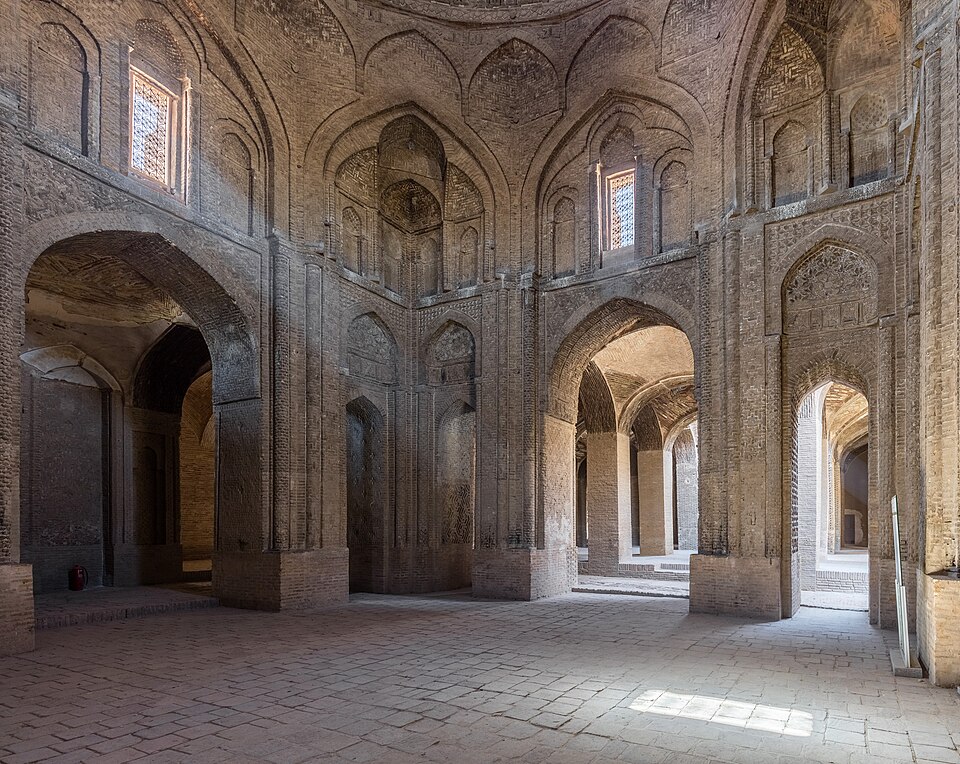
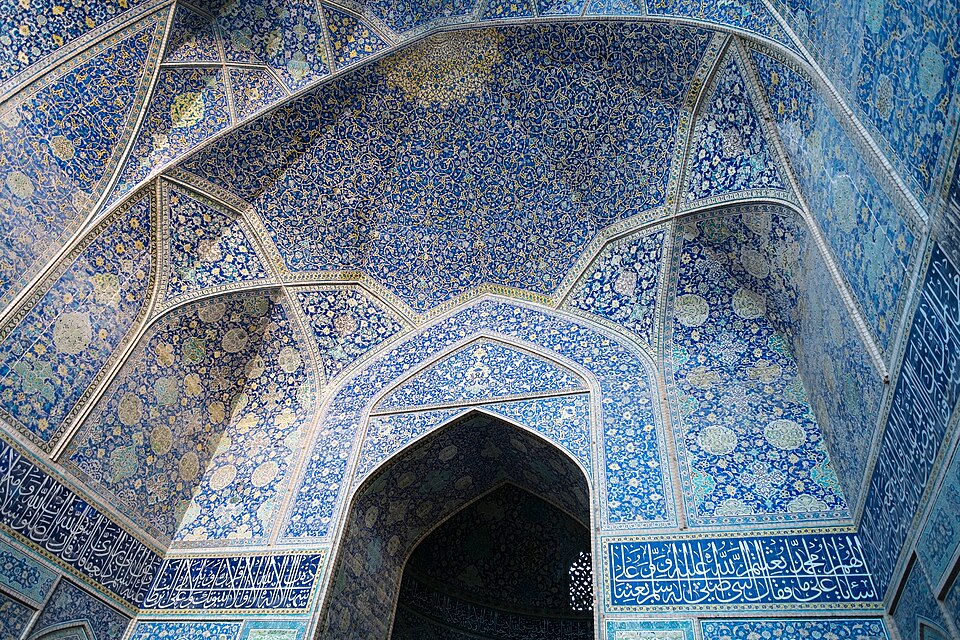
Isfahan is a commercial centre in Iran with a population of roughly 2.0 million, and one of the places where we build international and multi-region stores for local businesses.
Businesses here work in crafts, steel, textiles, defence industry and tourism; many are based around Naqsh-e Jahan Square, the Grand Bazaar and the Isfahan Science and Technology Town.
Logistics are supported by Isfahan International Airport and the central rail corridor, which matters when you promise customers fast delivery.
Iran’s online shopping is large and domestic: Digikala, Divar and Instagram dominate and Shetab cards process payments. International cards and many global cloud tools are unavailable, so stores here need local gateways and in-country hosting.
Shoppers and trade buyers in Isfahan already compare options on their phones; an international e-commerce platform that loads fast, shows accurate stock and accepts Shetab domestic cards turns that research into orders.
Why Isfahan businesses need their own online channel today
In Iran, buying starts on a phone: shoppers search, compare on Digikala and Divar and pay with Shetab domestic cards and Shaparak payment gateways (Zarinpal, IDPay). Isfahan alone has about 2.0 million people, and a business without its own international e-commerce platform hands those orders to whoever is easier to buy from.
Staying offline-only also hides your best data. A international e-commerce platform shows which products, areas and customers in Isfahan earn money, which is how electronics, fashion and home goods sellers in Iran decide what to stock and promote.
It is also a compliance move. VAT-ready invoices and records, and customer data handled under the Electronic Commerce Law and cybercrime rules, are far easier to keep right in one system than across notebooks and chat threads.
| Area | Offline and chat orders | With your own international e-commerce platform in Isfahan |
|---|---|---|
| Orders | Phone, WhatsApp, spreadsheets; open only in shop hours | Taken 24 hours a day, tracked end to end |
| Payments | Cash and manual follow-up | Shetab domestic cards and Shaparak payment gateways (Zarinpal, IDPay) and other local methods at checkout |
| Reach | Walk-ins and word of mouth | Search, social, Digikala and Divar and a link anyone can share |
| Records | Paper and chat history | VAT invoices, customer and stock data in one place |
Localised for Isfahan, not translated into it
Conversion in Isfahan depends on small local signals — the right currency, the right words and the right payment and courier names.
Currency and pricing
Everything a Isfahan shopper sees — price, tax, delivery fee, refund — is in IRR, written the local way.
Language and content
Content can be produced in Persian (Farsi), Azerbaijani and Kurdish, so a Isfahan customer reads the store in the language they use at home.
Local trust signals
We add the payment logos, courier names and policy pages shoppers in Isfahan recognise: Shetab domestic cards and Shaparak payment gateways (Zarinpal, IDPay) and delivery through Iran Post.
Domain, phone and contact
Using .ir where it suits you signals a local business to shoppers and search engines. Contact buttons are pre-set with +98, so a customer in Isfahan taps once to call or message.
Talent and partners nearby
Isfahan draws on Isfahan University of Technology, which means plenty of local staff, interns and technology partners to run the store after launch.
Custom-built for how you sell in Isfahan
We do not hand Isfahan businesses a ready-made theme: we study how you sell, then build the online platform and Android/iOS app your customers and staff actually need.
Typical clients include D2C brands expanding abroad, manufacturers selling to distributors overseas, diaspora-focused retailers and tourism and gifting businesses. Categories that sell especially well online in Iran — electronics, fashion, home goods and food and saffron — get catalogue structures and filters designed for them.
We start with a requirements meeting, show you a working demo within 24 hours, and only then propose scope, milestones and budget.
Where to start with an international e-commerce platform in Isfahan
Exporters, D2C brands expanding abroad and manufacturers selling to distributors overseas in Isfahan usually get the fastest return by launching the journeys that bring in orders first, then adding depth. The order we recommend:
- First market: One new region with language, currency, payments, tax and shipping. Set up for IRR, Shetab domestic cards and Iran Post.
- Multi-region: Additional countries, local promotions and marketplace feeds.
- Optimise: Regional apps, warehouses and localisation improvements.
Core modules we build for Isfahan clients
Nothing here is fixed: modules are switched on, reshaped or built from scratch around how your Isfahan business sells.
Regional storefronts
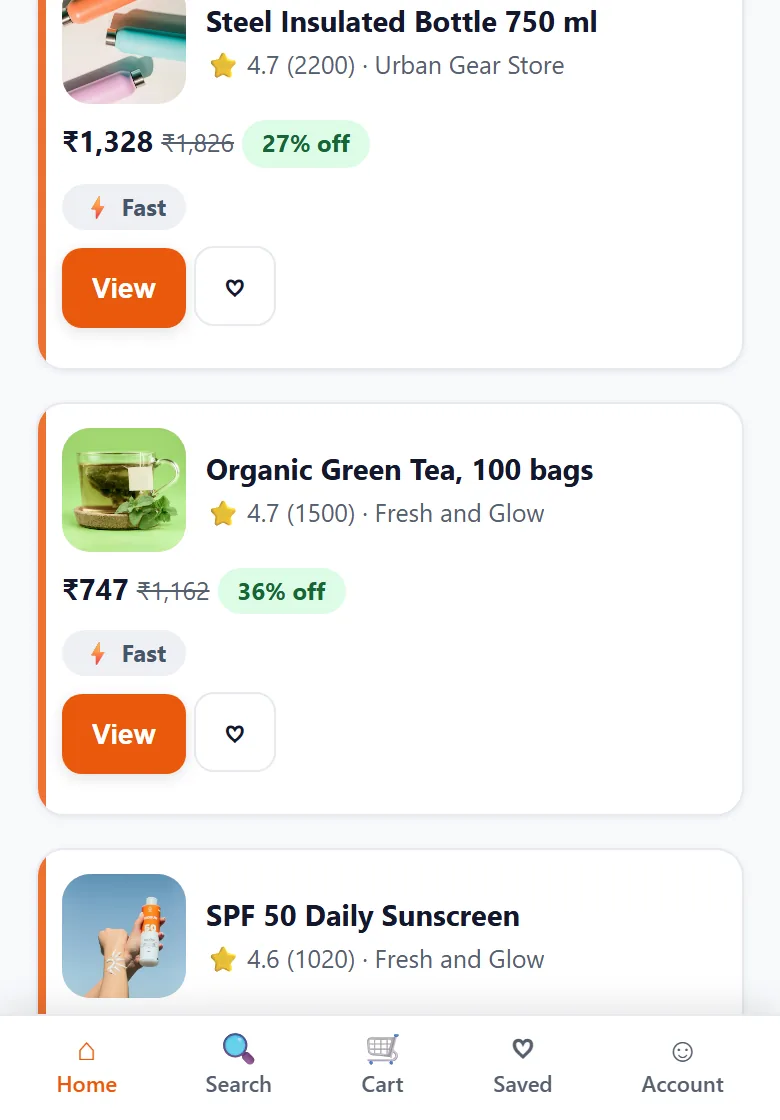
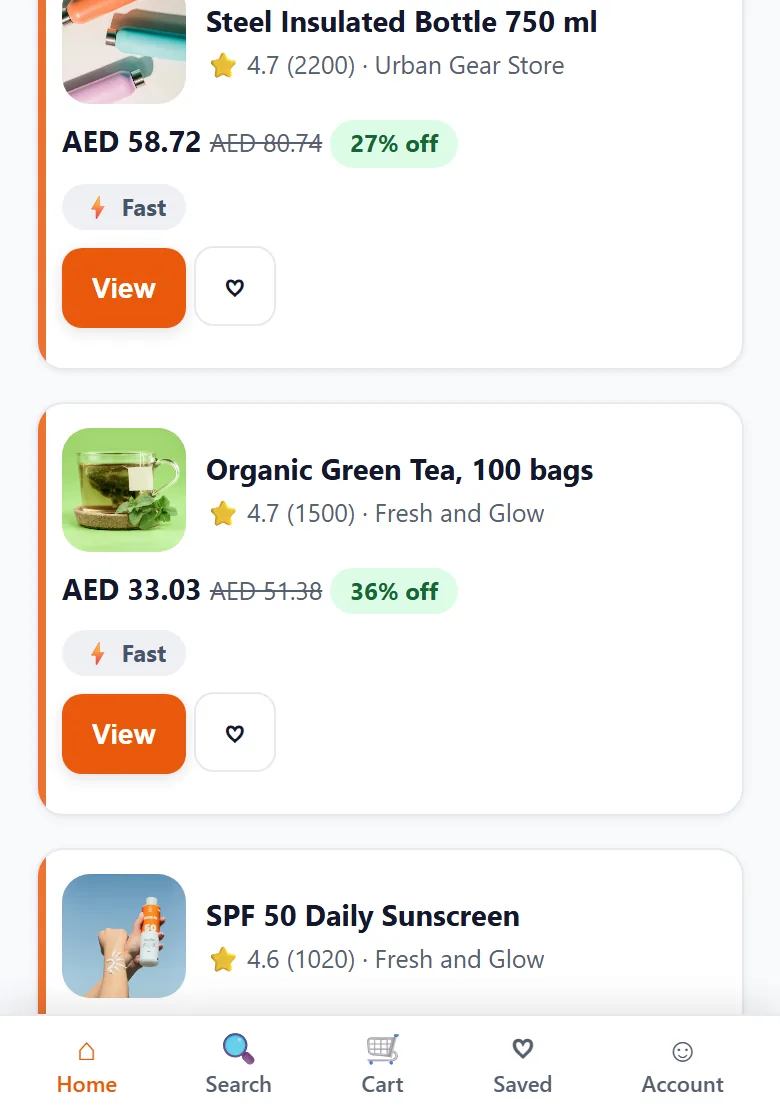
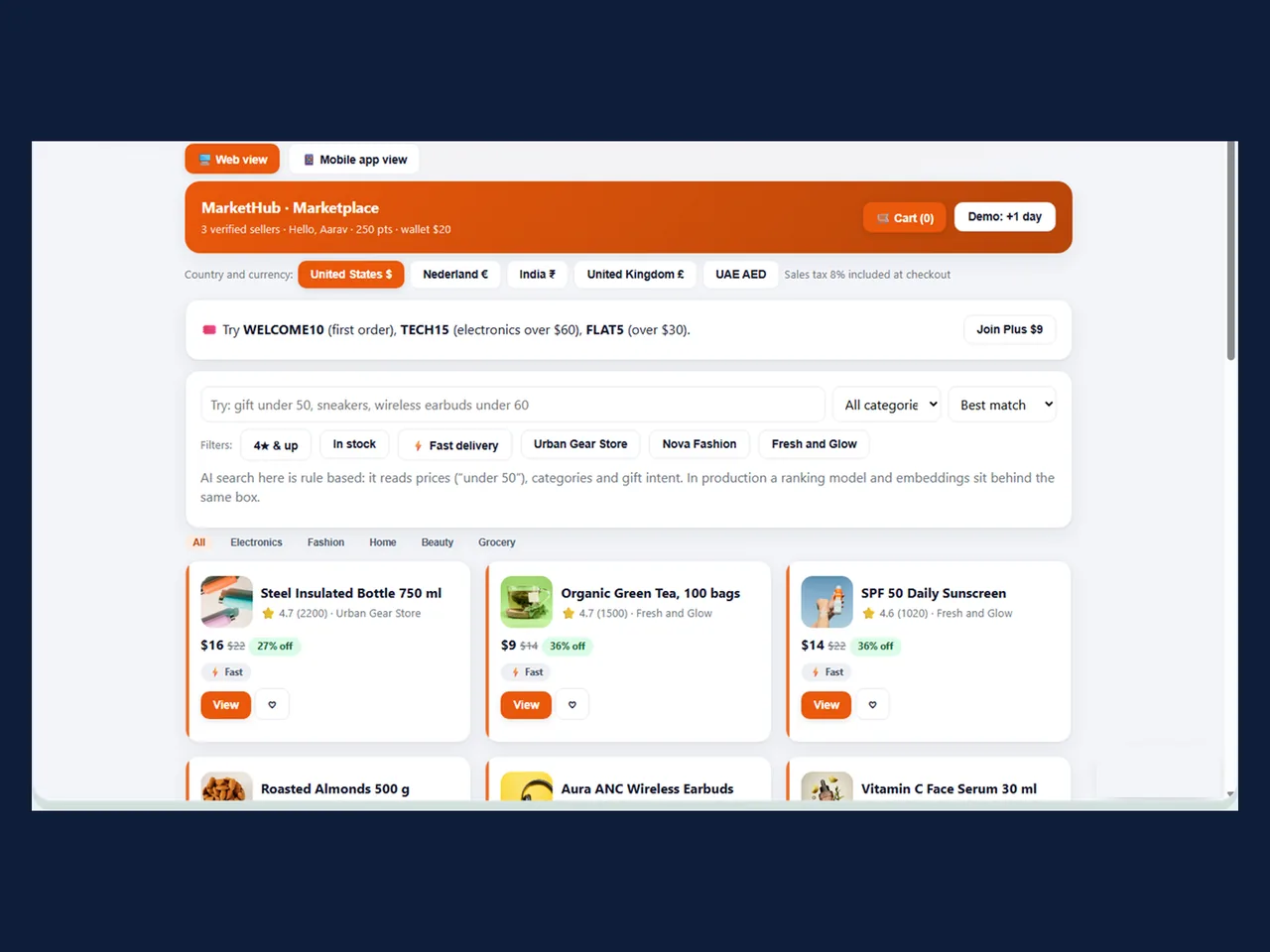
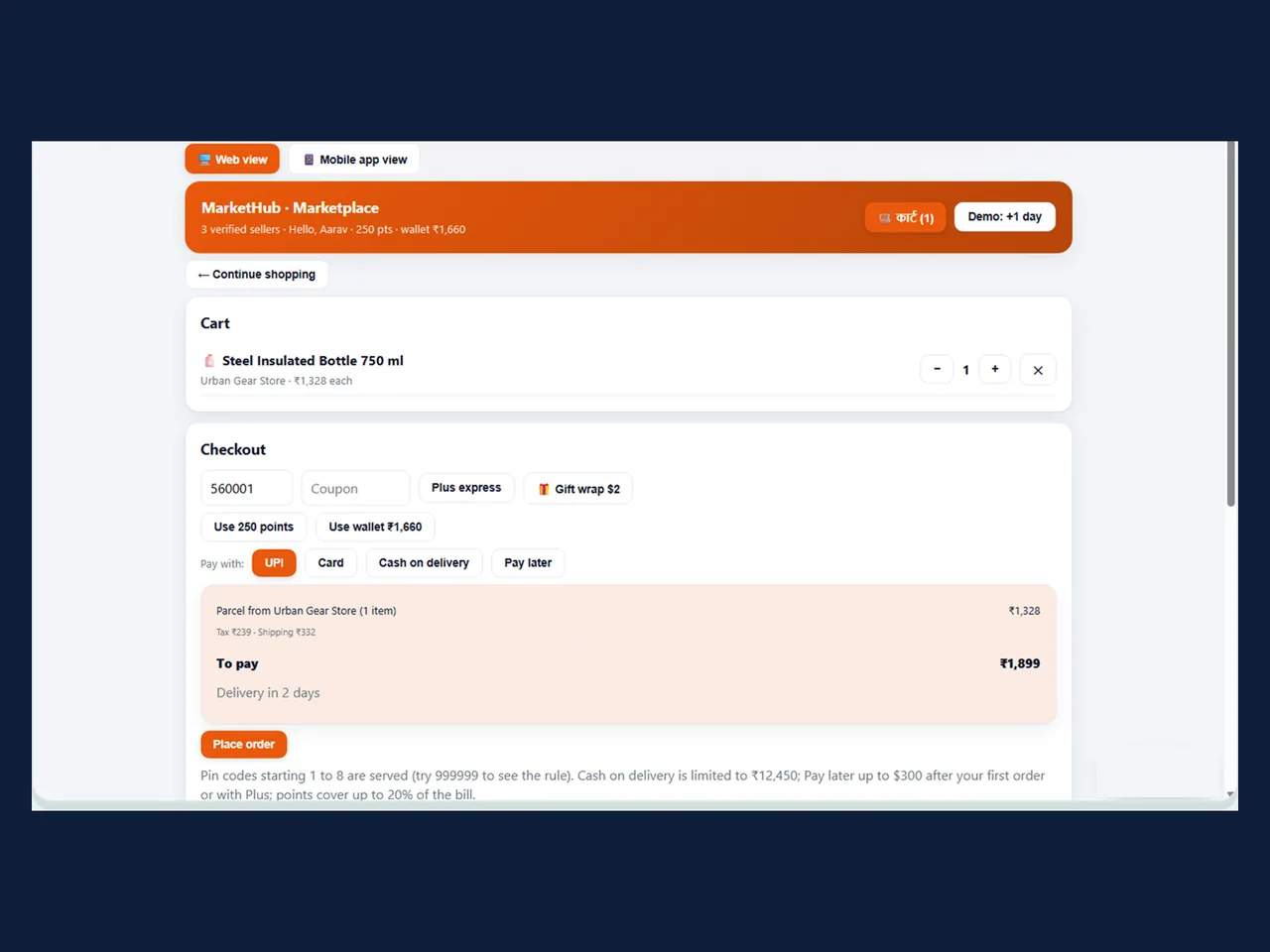
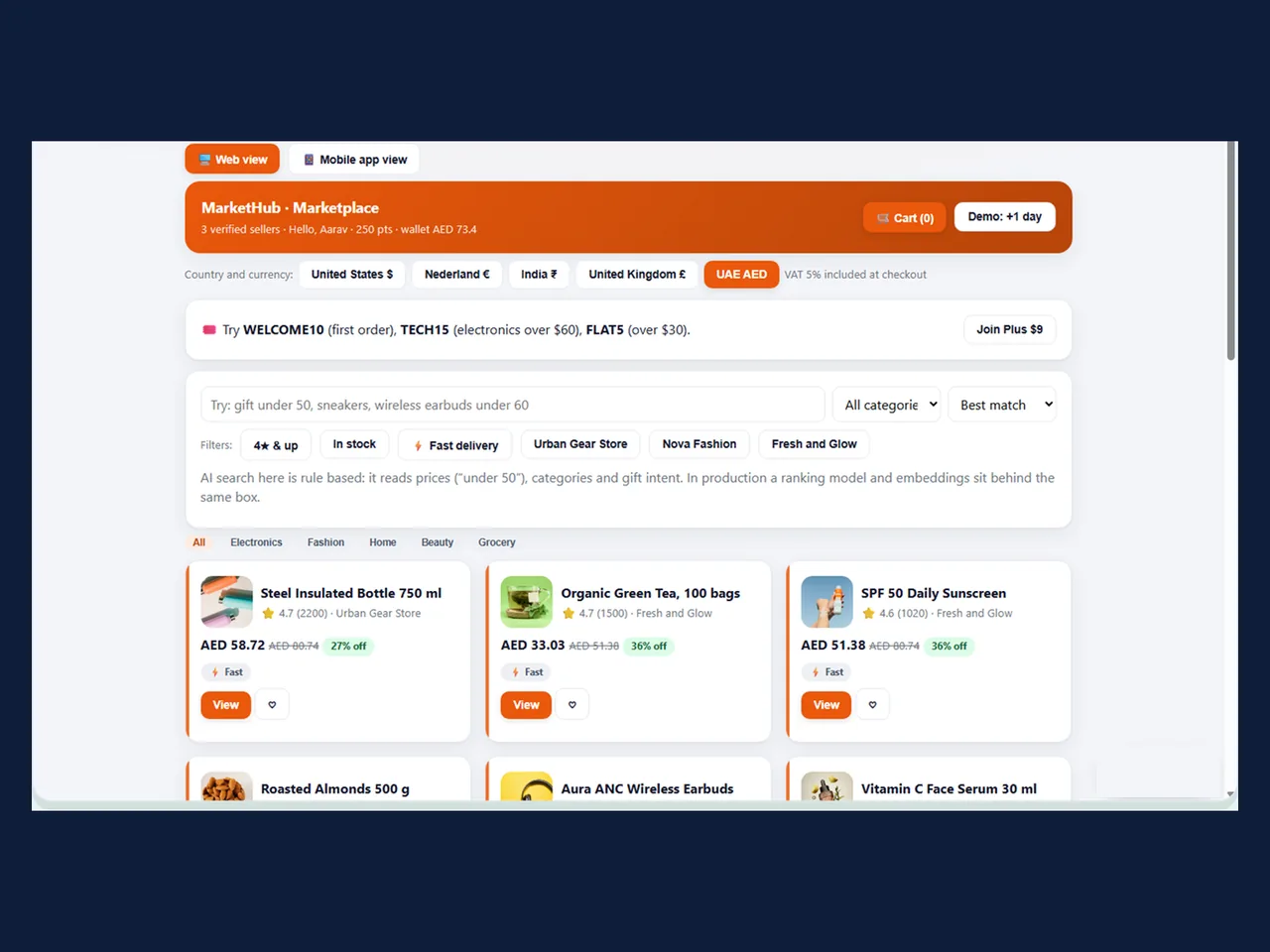
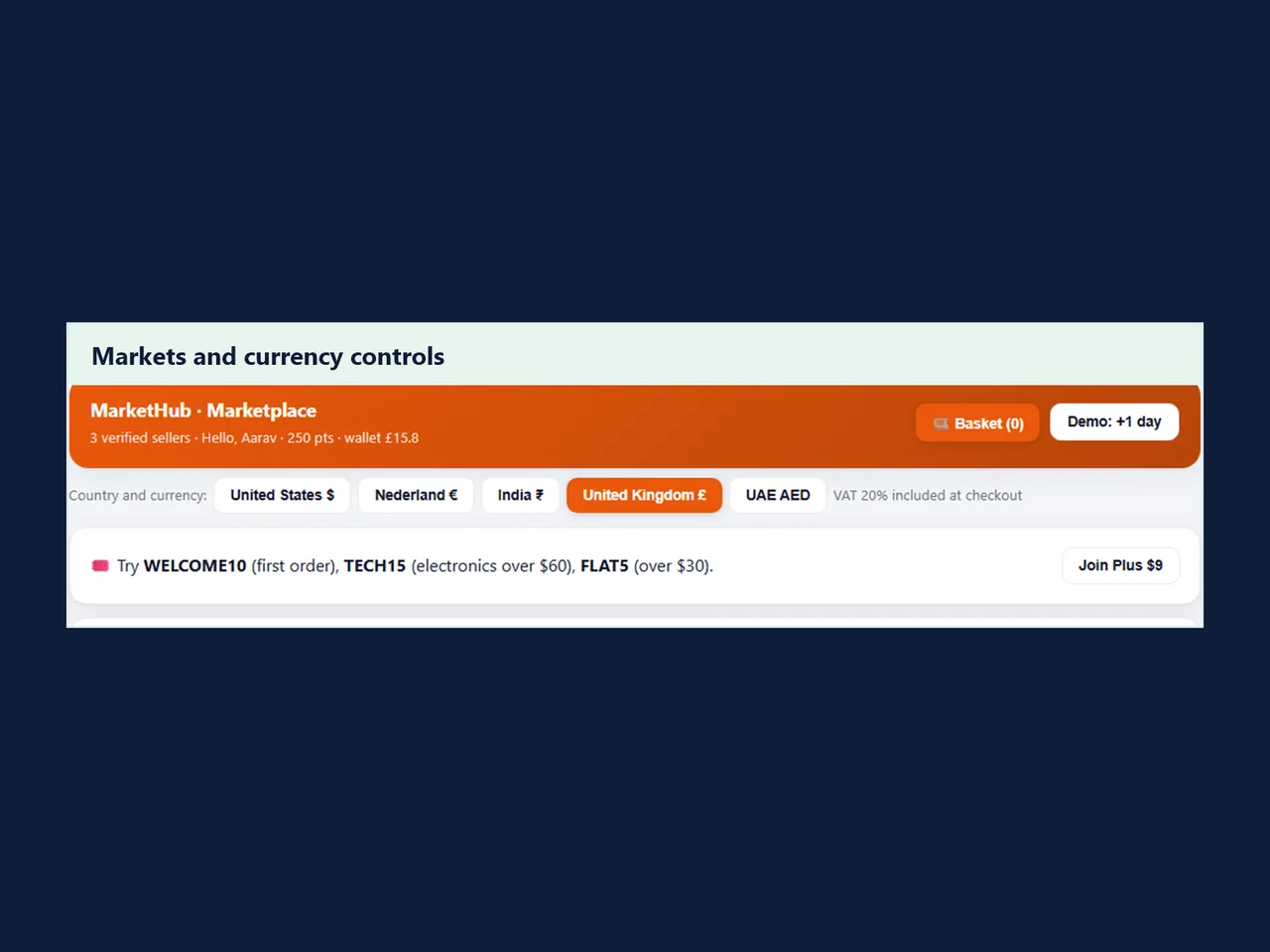
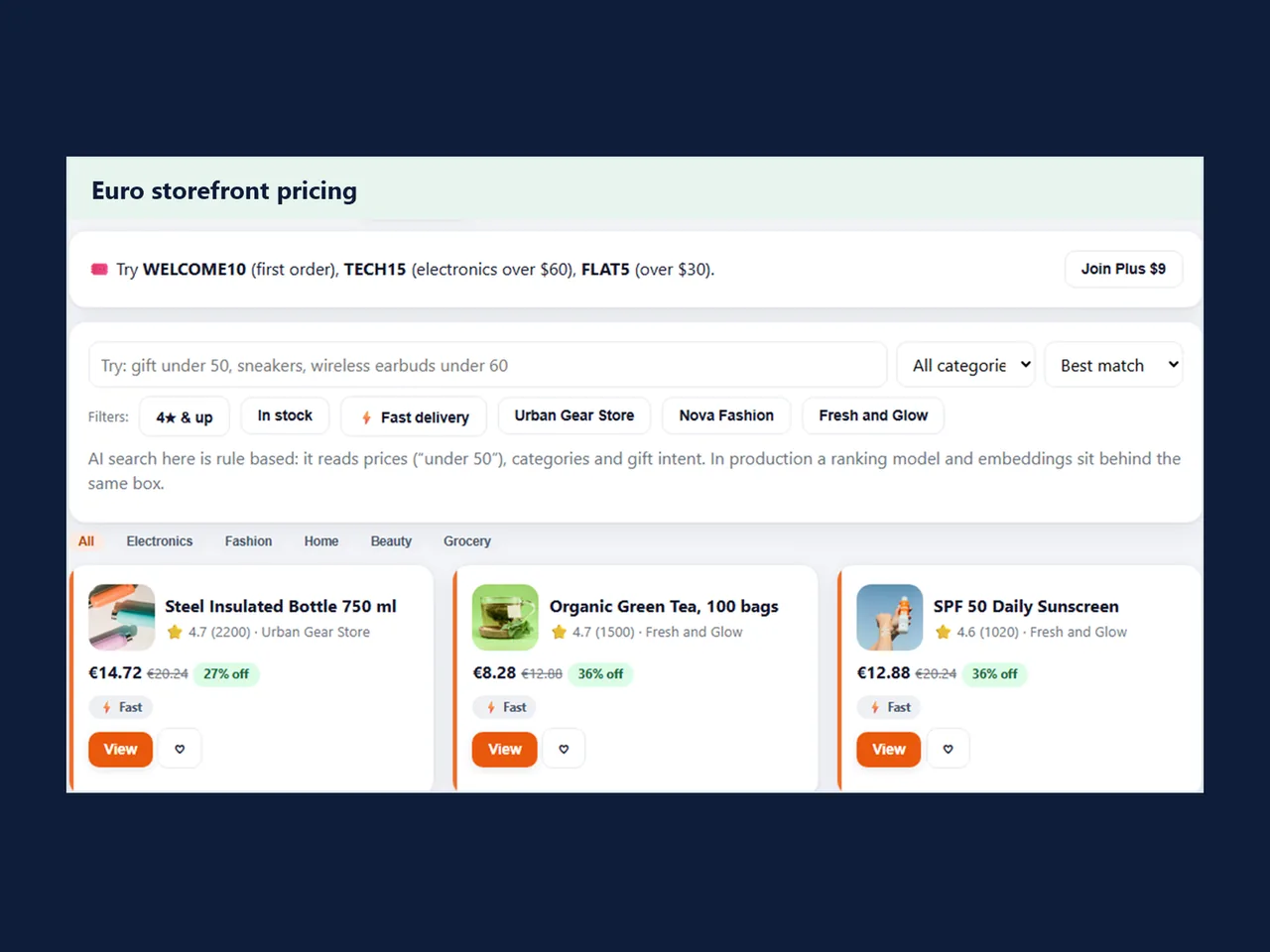
Country or region sites with local language, content, currency, promotions and hreflang SEO. Customers in Isfahan can pay with Shetab domestic cards, Shaparak payment gateways (Zarinpal, IDPay) and Shatel and mobile wallets, with receipts and refunds handled in the same admin.
Local payments
Market-specific cards, wallets, bank transfers, BNPL and cash methods through suitable providers. Shipping rules can use Iran Post, Tipax and Mahex as well as your own delivery staff in Isfahan.
Tax and duties
VAT, GST and sales-tax rules, tax-inclusive pricing, duties and landed-cost estimates where needed. Inventory can sit in Isfahan, in a partner warehouse or across Iran, with click-and-collect where customers want it.
Cross-border shipping
International couriers, regional warehouses, shipping zones, customs documents and returns. Dashboards break sales down by product, customer and neighbourhood of Isfahan, so you see what to promote.
Compliance pages
Market-appropriate privacy notices, cookie consent, consumer terms and accessibility considerations. Content and design can follow how customers in Isfahan search and buy, including Persian (Farsi) and Azerbaijani where you need it.
Regional reporting
Sales, margin, conversion and marketing performance by country and currency. Product data imports from your existing sheets or ERP, so Isfahan teams do not re-type thousands of items.
International ecommerce platform and more: what we build in Isfahan
Businesses in Isfahan search for these in different words. Each one is something NNT Mart designs, builds and supports:
International ecommerce platform in Isfahan
Country or region sites with local language, content, currency, promotions and hreflang SEO. For Isfahan, prices, tax and invoices are in IRR and VAT-ready.
Cross-border ecommerce development in Isfahan
Market-specific cards, wallets, bank transfers, BNPL and cash methods through suitable providers. Built for Isfahan: Shetab domestic cards and Shaparak payment gateways payments and Iran Post delivery.
Multi-currency online store in Isfahan
VAT, GST and sales-tax rules, tax-inclusive pricing, duties and landed-cost estimates where needed. In Isfahan it takes Shetab domestic cards at checkout and ships through Iran Post.
Multi-language ecommerce website in Isfahan
International couriers, regional warehouses, shipping zones, customs documents and returns. For Isfahan, prices, tax and invoices are in IRR and VAT-ready.
Global ecommerce solution in Isfahan
Market-appropriate privacy notices, cookie consent, consumer terms and accessibility considerations. Built for Isfahan: Shetab domestic cards and Shaparak payment gateways payments and Iran Post delivery.
Export ecommerce website in Isfahan
Sales, margin, conversion and marketing performance by country and currency. In Isfahan it takes Shetab domestic cards at checkout and ships through Iran Post.
Multi-country store setup in Isfahan
Country or region sites with local language, content, currency, promotions and hreflang SEO. For Isfahan, prices, tax and invoices are in IRR and VAT-ready.
Cross-border payments ecommerce in Isfahan
Market-specific cards, wallets, bank transfers, BNPL and cash methods through suitable providers. Built for Isfahan: Shetab domestic cards and Shaparak payment gateways payments and Iran Post delivery.
What an international e-commerce platform gives your Isfahan business
Here is what changes once the international e-commerce platform is live:
Keep the customer and the margin
Orders that come through your own international e-commerce platform keep your pricing, brand and customer list, instead of paying commission on Digikala and Divar for every sale.
Sell round the clock to Isfahan
Customers order and pay at any hour, including evenings and weekends, with Shetab domestic cards and Shaparak payment gateways (Zarinpal, IDPay) at checkout, so sales no longer depend on shop hours.
Run the business from one place
Regional storefronts and local payments sit in one admin, connected to multi-currency payment providers, so the team stops re-typing orders and stock.
See what works
A live dashboard tracks conversion by country, international order share and checkout completion by payment method, so Isfahan decisions on stock, offers and spend come from numbers, not guesses.
Reach customers on their phones
An Android and iOS app on the same backend adds push alerts, saved details and one-tap reorder for repeat buyers in Isfahan.
Be found by search and AI assistants
Fast pages, product and FAQ schema, a sitemap and direct-answer content let Google and AI assistants read, quote and recommend your international e-commerce platform when Isfahan customers ask.
Take orders on WhatsApp and the app
Customers in Isfahan can start an order from a link, WhatsApp or the mobile app and finish it in one checkout, so no enquiry is lost in a chat thread.
Own the technology
After final payment you receive 100% of the source code, design files and documentation, with a 90-day warranty, so growth never depends on a licence you cannot move.
Getting paid online in Isfahan
Shoppers in Isfahan rarely abandon a cart over price alone — they leave when their usual method is missing. Here that means Shetab domestic cards, Shaparak payment gateways (Zarinpal, IDPay) and Shatel and mobile wallets, then cash on delivery and bank transfer.
Gateway selection depends on your category and merchant approval; we connect the provider, reconcile payments, automate retries and refunds, and never store raw card data. Prices, taxes and refunds appear in Iranian rial (IRR).
Business buyers around Naqsh-e Jahan Square often want invoices or bank transfer, while consumers lean on Shetab domestic cards. We support both flows.
- Bank transfer
- Shaparak payment gateways (Zarinpal, IDPay)
- Shatel and mobile wallets
- Shetab domestic cards
- Cash on delivery
Delivery and fulfilment from Isfahan
Your international e-commerce platform can book shipments and share tracking with Iran Post, Tipax, Mahex, Snapp! Express, Alopeyk and Chapar, or route orders to your own riders and stores across Isfahan.
We set up shipping zones, cut-off times, free-shipping thresholds, cash-collection rules and returns so the promise on the product page matches what your team can deliver.
Connectivity in the area — Isfahan International Airport and the central rail corridor — makes regional and national dispatch from Isfahan practical.
Selling online legally in Iran
Iran charges 10% VAT (value-added tax) with e-commerce sellers registering through the Moodian tax system for electronic invoices.
On privacy we design around the Electronic Commerce Law and cybercrime rules; data-protection rules are not consolidated in a single law; on consumer rights the store reflects the Electronic Commerce Law (2003) and the Consumer Rights Protection Law.
Controls we implement include compliant invoices, consent capture, policy pages, restricted staff access and audit trails. Please confirm the final legal and tax position with a local adviser in Isfahan.
Marketplaces vs. your own international e-commerce platform in Isfahan
Selling in Isfahan through Digikala, Divar and Basalam gets you reach quickly, yet the buyer belongs to the platform, not to you.
NNT Mart gives you a channel you own: your domain, your customer list, your pricing and your brand. Where it helps, we connect product feeds and orders from marketplaces so stock stays in sync and your team works from one dashboard.
Who we build for in Isfahan
Popular online categories in Iran include electronics, fashion, home goods, food and saffron, carpets and crafts and cosmetics. Local demand in Isfahan is shaped by crafts, steel, textiles, defence industry and tourism, so we often design catalogues and B2B ordering around those sectors. In Isfahan, we most often build international and multi-region stores for:
Exporters
We map how exporters sell today and digitise it end to end — from enquiry and order to payment, dispatch and repeat purchase.
D2C brands expanding abroad
For D2C brands expanding abroad, we usually start with tax and duties, then add tax engines once orders are flowing.
Manufacturers selling to distributors overseas
Catalogue, pricing and fulfilment rules designed for manufacturers selling to distributors overseas in Isfahan, connected to the systems you already use.
Diaspora-focused retailers
Diaspora-focused retailers get cross-border shipping plus regional reporting workflows tailored to their operations.
Tourism and gifting businesses
We map how tourism and gifting businesses sell today and digitise it end to end — from enquiry and order to payment, dispatch and repeat purchase.
Multi-country retail groups
For multi-country retail groups, we usually start with regional storefronts, then add marketplace feeds by country once orders are flowing.
Take your Isfahan store onto customers' phones
In Isfahan, shoppers browse on phones first. Region-aware mobile apps can switch language, currency and payment options automatically while sharing one codebase and backend.
For shopping app development company in Isfahan: one team builds the Android and iOS shopping app and the store behind it, and the ecommerce mobile app cost depends on your screens, integrations and team size.
Apps are published under your own developer accounts and share the same backend as your international e-commerce platform, so offers, stock and orders are always consistent between web and mobile.
Push notifications can be timed to UTC+3:30 so offers reach Isfahan customers when they are awake, and the interface can run in Persian (Farsi) and Azerbaijani.
- Tax engines
- Marketplace feeds by country
- Geo-IP and consent platforms
- Regional analytics
- Multi-currency payment providers
- ERP and accounting
- International couriers and 3PLs
- Translation management
Integrations above are examples; we connect any system that offers a suitable API, database access or approved import and export process.
Launch roadmap and success metrics
We launch the journeys that create value first, then add depth. A typical roadmap for an international e-commerce platform in Isfahan:
| Phase | What goes live |
|---|---|
| First market | One new region with language, currency, payments, tax and shipping. Configured for IRR, Shetab domestic cards and Iran Post from the start. |
| Multi-region | Additional countries, local promotions and marketplace feeds. |
| Optimise | Regional apps, warehouses and localisation improvements. Reviewed against how Isfahan customers actually buy. |
We track conversion by country, international order share, checkout completion by payment method, delivery time by region, return rate abroad and margin after duties and shipping on a live dashboard from day one, so Isfahan results are visible, not promised.
Working with our team from Isfahan
Our team covers UTC+3:30 — 2h behind India (IST) — through three 8-hour shifts, so a Isfahan client always reaches someone during the local working day.
We work in English and can deliver storefront content in Persian. NDAs are signed on request, and you get a named project lead plus direct access to the engineers building your international e-commerce platform.
Our head office is in Chhapi, Gujarat, with an office in Hyderabad and representation in Nigeria, South Africa, Ethiopia and Zambia; Isfahan clients are served remotely with on-site workshops when the project needs them.